
Beautiful Plants For Your Interior
Beautiful Plants For Your Interior
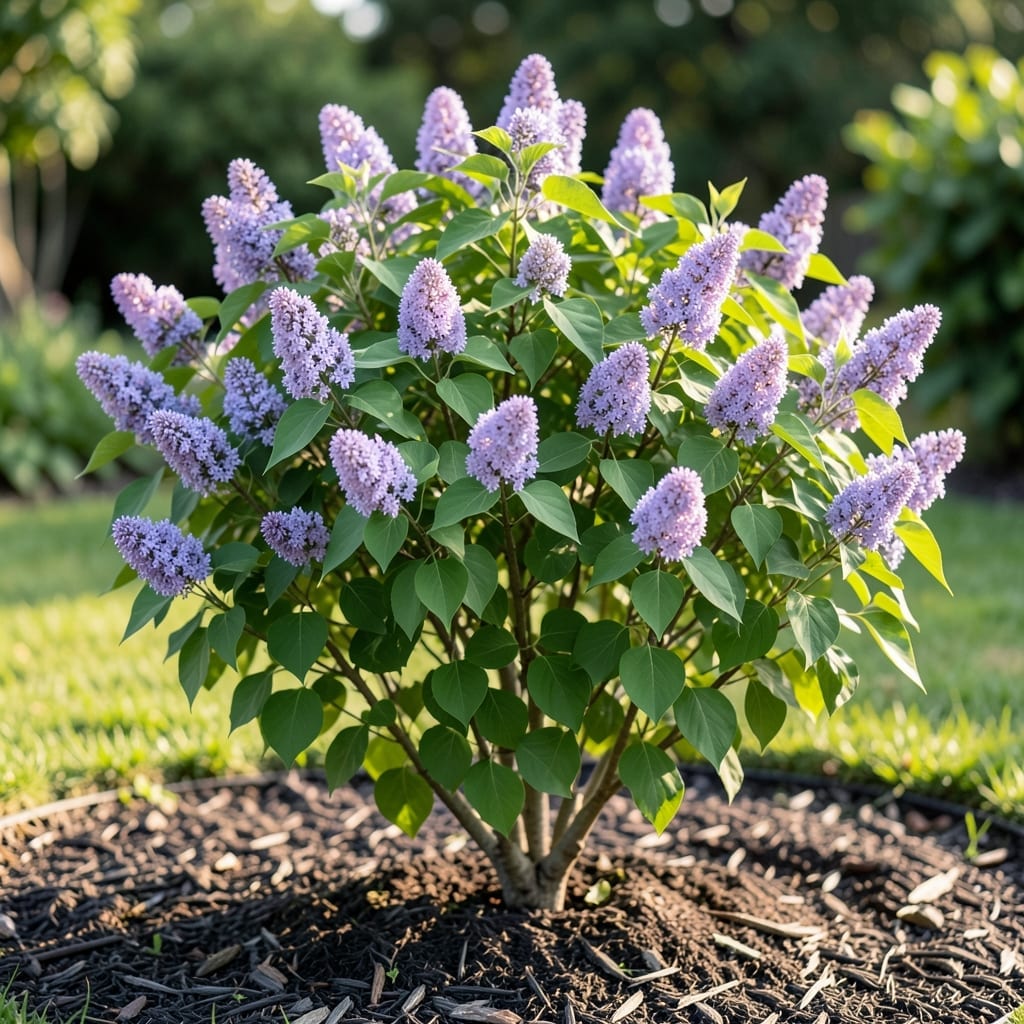
Lilac bush leaves commonly face fungal diseases like powdery mildew, leaf spots, or bacterial blight. Treatment involves pruning affected areas, improving air circulation, and applying fungicides or copper sprays when needed.
I’ve noticed these issues often appear during wet, humid conditions, which create the perfect breeding ground for spores. 🌿 Proper spacing between plants and regular cleanup of fallen debris can prevent many problems before they start. In my experience, early morning watering gives foliage time to dry, reducing the risk of fungal growth significantly.
💡 In This Article
Powdery mildew appears as a white, flour-like coating on leaf surfaces, caused by Erysiphe fungi thriving in 60-80°F with high humidity. This pathogen spreads rapidly when leaves stay wet for 6+ hours, blocking sunlight and weakening photosynthesis. 🔥
Leaf spot diseases create circular brown or purple lesions with yellow halos, often from Cercospora or Septoria fungi. These thrive in wet conditions, with spores splashing from soil to leaves during rain or overhead watering. The spots merge into larger dead patches that can defoliate the bush.
Bacterial blight causes water-soaked spots that turn brown and crispy at edges. The bacteria Pseudomonas syringae enters through wounds or natural openings, spreading fastest in 70-80°F weather with frequent rain. Unlike fungi, it oozes yellowish liquid when pressed. ✨
Wilting leaves often signal verticillium wilt, a soil-borne fungus that clogs water-conducting vessels. The first sign is yellowing between leaf veins, progressing to complete browning. This disease persists in soil for years, requiring removal of infected plants and solarizing the area.
Early detection is key. I check leaves weekly for changes, especially after rain. A hand lens helps spot tiny spores or bacterial ooze. Comparing symptoms to photos in gardening guides helps confirm the culprit before it spreads. 💫
Yellowing often signals verticillium wilt or nutrient deficiency. Check for yellow patches between veins first. If the whole leaf turns uniformly yellow, test soil for iron or nitrogen shortages.
Circular brown spots with yellow halos typically indicate leaf spot diseases from Cercospora or Septoria fungi. Remove affected leaves immediately and avoid overhead watering.
Space plants 5-6 feet apart for airflow and water at the base in early morning. Prune dense growth to improve circulation. Apply sulfur-based fungicide at first signs.
Prune in late spring after blooming, using clean tools disinfected with rubbing alcohol. Remove all dead or infected wood and destroy it—never compost diseased material.