
Beautiful Plants For Your Interior
Beautiful Plants For Your Interior
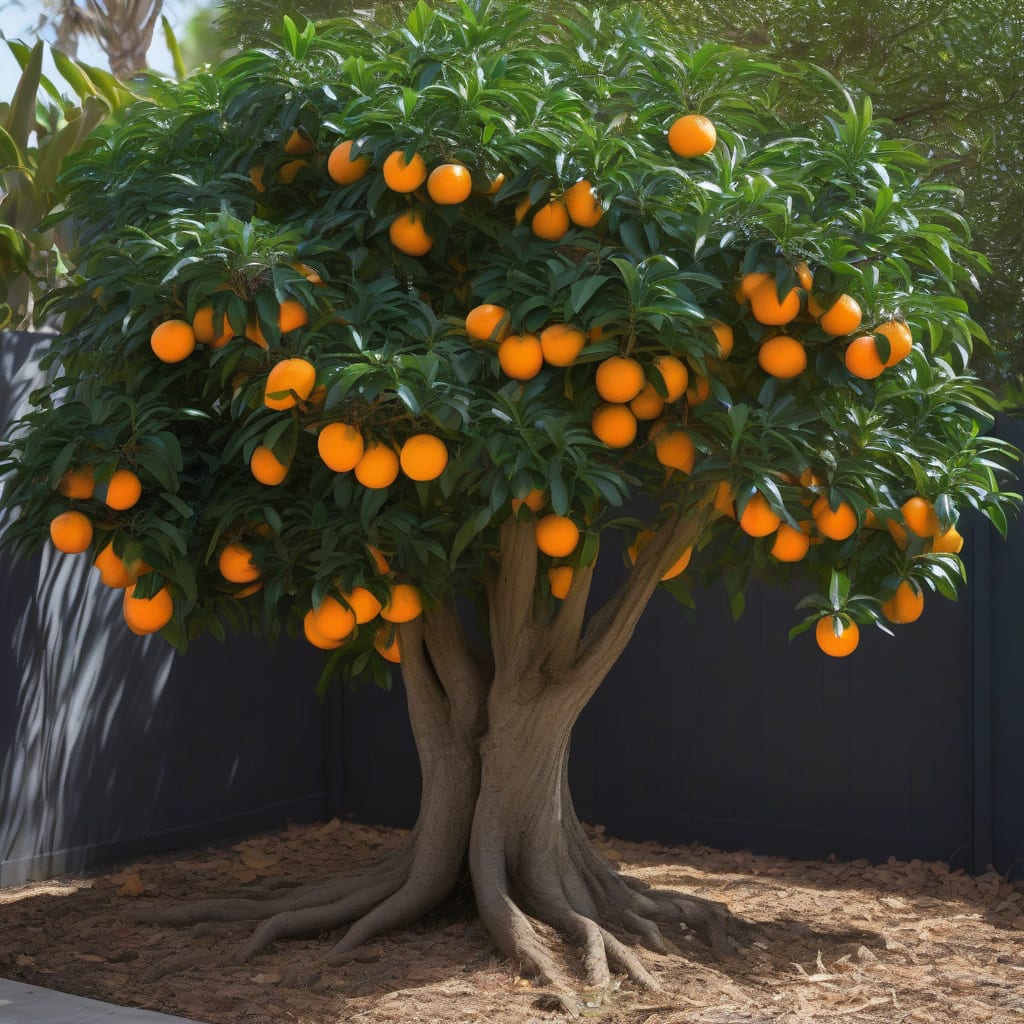
Growing a Tangerine Tree 🍊 can be a rewarding experience, but understanding its growth potential is crucial for proper planning and care. In USDA Zone 9b, these trees can thrive with the right conditions.
I will guide you through what to expect in terms of height and how to manage it effectively. Let’s explore the factors that influence the height of your Tangerine Tree and how to achieve the desired growth.


Tangerine trees are known for their relatively compact size compared to other citrus varieties. The average height of a mature tangerine tree typically ranges between 10 to 20 feet, depending on the specific cultivar and growing conditions.
I have found that understanding the growth patterns of tangerine trees is crucial for effective garden planning. The growth rate of these trees is generally moderate, with young trees growing about 1-2 feet per year under optimal conditions.
The height of a tangerine tree is influenced by several factors, including the rootstock, growing conditions, and pruning practices. Dwarf or semi-dwarf rootstocks are commonly used to keep the tree smaller and more manageable for home gardeners.
In my experience, proper care significantly impacts the tree’s growth and maximum height. Factors such as soil quality, climate, watering practices, and fertilization all play crucial roles in determining the tree’s overall size and health.
I recommend that gardeners consider these factors when planting and caring for their tangerine trees to achieve the best possible growth and fruit production.
Tangerine trees can be grown in containers or in the ground, offering flexibility for different gardening situations. Their relatively compact size makes them suitable for smaller gardens or even large pots on patios or balconies.
The maximum height of a tangerine tree is typically reached within 10-15 years after planting, depending on the growing conditions and care provided. Regular pruning can help maintain a desired height and promote a healthier tree structure.
I have observed that tangerine trees are not only valued for their fruit but also for their ornamental qualities, including their glossy leaves and fragrant flowers.
When selecting a tangerine tree, choosing the right variety for your specific needs and growing conditions is essential. Some varieties are naturally more compact, while others may require more frequent pruning to maintain a manageable size.
Overall, understanding the growth patterns and potential maximum height of tangerine trees allows gardeners to make informed decisions about their care and maintenance, ensuring a healthy and productive tree.
The height of a Tangerine Tree is influenced by multiple factors that gardeners should consider for optimal growth. Understanding these elements helps in planning and maintaining a healthy tree.
I have found that soil quality plays a crucial role in determining the tree’s height. Tangerine trees prefer well-draining soil with a pH between 6.0 and 7.0. Soil that is too dense or poorly draining can limit root growth, affecting the tree’s overall height 🌿.
The height of your Tangerine Tree is influenced by factors such as soil quality, climate conditions, watering practices, and fertilization. Understanding and managing these factors can help you achieve the desired tree height.
Climate conditions are another significant factor. Tangerine trees thrive in USDA Zone 9b, where they can receive adequate sunlight and warmth. Extreme temperatures can impact growth, so protection during frost is essential ❄️.
Watering practices also affect the tree’s height. Consistent moisture is key, especially during the growing season. I recommend watering deeply but infrequently to encourage deep root growth 💧.
Fertilization is vital for promoting healthy growth. A balanced fertilizer applied every 6 weeks during the growing season can provide the necessary nutrients. Be sure to follow the recommended application rates to avoid over-fertilizing 📝.
In my experience, maintaining a regular care routine that includes monitoring soil moisture, protecting from extreme weather, and appropriate fertilization can significantly impact the tree’s height and overall health.
By understanding and managing these factors, gardeners can influence the height of their Tangerine Tree and ensure it remains healthy and productive.
Regular monitoring and adjustments to care practices as needed will help achieve the desired tree height and maximize fruit production 🍊.
I recommend that gardeners stay attentive to their tree’s needs and make necessary adjustments to create an optimal growing environment.
To manage the height of your Tangerine Tree effectively, understanding proper pruning techniques is essential. Pruning helps maintain the desired height and promotes a healthier tree structure 🌿.
I recommend starting with removing dead or damaged branches, as this improves overall tree health and encourages new growth. Use clean, sharp pruning tools to make precise cuts, and always cut just above a bud or lateral branch to minimize damage 🔪.
Evaluate the tree’s overall shape and identify branches that need pruning.
Remove any dead, diseased, or damaged branches to improve tree health.
Thin out crowded branches to allow better air circulation and sunlight penetration.
Shape the tree to maintain the desired height and promote a balanced structure.
Training your Tangerine Tree involves guiding its growth to achieve a desired shape and size. Using techniques like espaliering or central leader training can help control the tree’s height and improve fruit production 🌻.
I have found that regular maintenance is key to keeping your Tangerine Tree at a manageable height. Regularly inspect your tree for any signs of disease or pests, and address these issues promptly to ensure continued health 🔍.
By following these pruning and training tips, you can effectively manage the height of your Tangerine Tree and enjoy a bountiful harvest of delicious fruit 🍊.
