
Beautiful Plants For Your Interior
Beautiful Plants For Your Interior
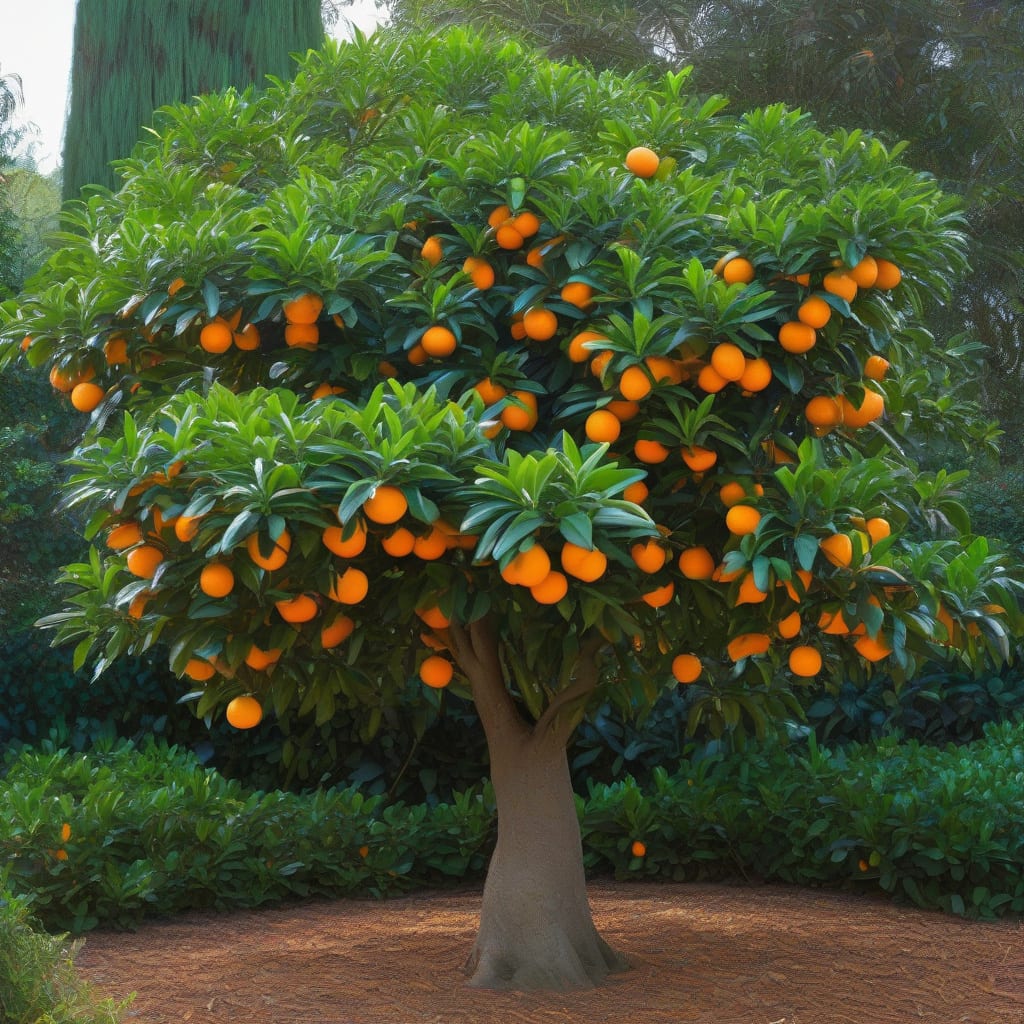
Growing a Tangerine Tree 🍊 can be a rewarding experience, but understanding its growth patterns is key to optimal care. In USDA Zone 9b, these trees can thrive with proper maintenance.
I will guide you through the factors that influence their height and provide tips on pruning and training for optimal growth, helping you achieve the best results for your tree.


Tangerine trees are popular citrus plants known for their compact growth and delicious fruit. Understanding the factors that influence their height is crucial for gardeners who want to optimize their tree’s growth. Several key elements affect how tall tangerine trees can grow, including climate conditions, soil quality, and cultivation practices. 🌟
The climate plays a significant role in determining the height of tangerine trees. These trees thrive in warm, subtropical climates with mild winters and hot summers. In regions with frost-free conditions, tangerine trees can grow more vigorously, reaching their maximum potential height. In USDA Zone 9b, for example, tangerine trees benefit from the long growing season, allowing them to achieve optimal height. 🌿
The rootstock used for grafting tangerine trees also influences their height. Dwarf or semi-dwarf rootstocks are commonly used to control tree size, making them suitable for smaller gardens or container growing. These rootstocks limit the tree’s overall height while still allowing it to produce full-sized fruit. 🌳
Pruning practices are essential for managing the height of tangerine trees. Regular pruning helps maintain a desired shape and size, promotes healthy growth, and encourages fruit production. By selectively removing branches, gardeners can control the tree’s height and ensure it remains productive. ✂️
In addition to these factors, soil quality and nutrient availability play crucial roles in tangerine tree growth. Trees planted in well-draining, fertile soil with adequate nutrients tend to grow more vigorously and reach their full height potential. Regular fertilization can help maintain soil fertility and support healthy tree growth. 🌱
Understanding these factors and how they interact is key to successfully growing tangerine trees. By optimizing climate conditions, rootstock selection, pruning practices, and soil quality, gardeners can cultivate healthy, productive trees that thrive in their environment. 🌼
Tangerine trees are known for their relatively compact growth compared to other citrus varieties. On average, a mature tangerine tree can grow between 10 to 20 feet tall, depending on the specific cultivar and growing conditions. Dwarf varieties typically reach heights of 8 to 12 feet, making them ideal for smaller spaces. 🌟
The annual growth rate of tangerine trees varies based on factors like climate, soil quality, and care practices. In optimal conditions, young tangerine trees can grow 1 to 2 feet per year until they reach maturity. Proper care, including regular watering, fertilization, and pruning, can help maximize growth rates. 📈
By understanding the factors that influence tangerine tree height and implementing appropriate care strategies, gardeners can enjoy healthy, productive trees that provide delicious fruit for years to come. Whether growing in the ground or in containers, tangerine trees can be a valuable addition to any garden or landscape. 🌿
In conclusion, tangerine trees offer a rewarding growing experience for gardeners of all skill levels. With proper care and attention to the factors that influence their growth, these trees can thrive and provide a bountiful harvest of delicious fruit. By
Managing the height of tangerine trees is crucial for optimal fruit production and maintaining a healthy tree structure. Proper pruning techniques and training methods can help control the tree’s height while promoting fruiting. Regular pruning not only shapes the tree but also enhances air circulation and sunlight penetration, which are vital for fruit development. 🌳
Prune your tangerine tree annually to remove dead or diseased branches and to shape the tree. This encourages new growth and helps maintain a manageable height.
Thin out the canopy to allow more sunlight to reach the inner branches. This improves fruit production and helps maintain a balanced tree structure.
Train the tree to a central leader or open center system. This helps in managing the height and spread of the tree while ensuring good fruit production.
In addition to pruning and training, maintaining good cultural practices is essential. Ensure your tangerine tree receives adequate water, fertilizer, and pest management. Healthy trees are more likely to produce abundant fruit and remain manageable in size. 🌼
By implementing these strategies, you can effectively manage the height of your tangerine tree, ensuring it remains productive and healthy. Regular maintenance not only improves fruit production but also enhances the overall appearance and longevity of the tree. 🌟
It’s also important to consider the rootstock when planting a new tangerine tree. Dwarf or semi-dwarf rootstocks can naturally limit the tree’s height, making them ideal for smaller gardens or container growing. These rootstocks can simplify height management and make the tree more manageable. 🌱
Overall, a well-maintained tangerine tree can be a beautiful and productive addition to any garden. By combining proper pruning, training, and cultural practices, you can enjoy a bountiful harvest of delicious tangerines for years to come. 🍊
Tangerine trees can thrive in various environments, but their growth expectations vary based on factors like container vs ground planting and climate conditions. Understanding these differences helps gardeners make informed decisions about their tree care.
When growing tangerine trees in containers, the expected mature height is typically 8 to 12 feet, making them suitable for smaller spaces. In contrast, trees planted in the ground can reach heights of 10 to 20 feet, depending on the specific cultivar and growing conditions.
Climate variations also impact tangerine tree growth. In USDA Zone 9b, tangerine trees benefit from the long growing season and mild winters, allowing them to achieve their full height potential. In cooler climates, trees may require additional protection during winter months to prevent damage.
Gardeners should consider these factors when deciding how to grow their tangerine trees. Whether in containers or in the ground, proper care and attention to the tree’s needs will ensure healthy growth and abundant fruit production. 🌿
By understanding the growth expectations in different environments, gardeners can better manage their tangerine trees and enjoy a bountiful harvest. With the right conditions and care, tangerine trees can thrive and provide delicious fruit for years to come. 🍊
