
Beautiful Plants For Your Interior
Beautiful Plants For Your Interior
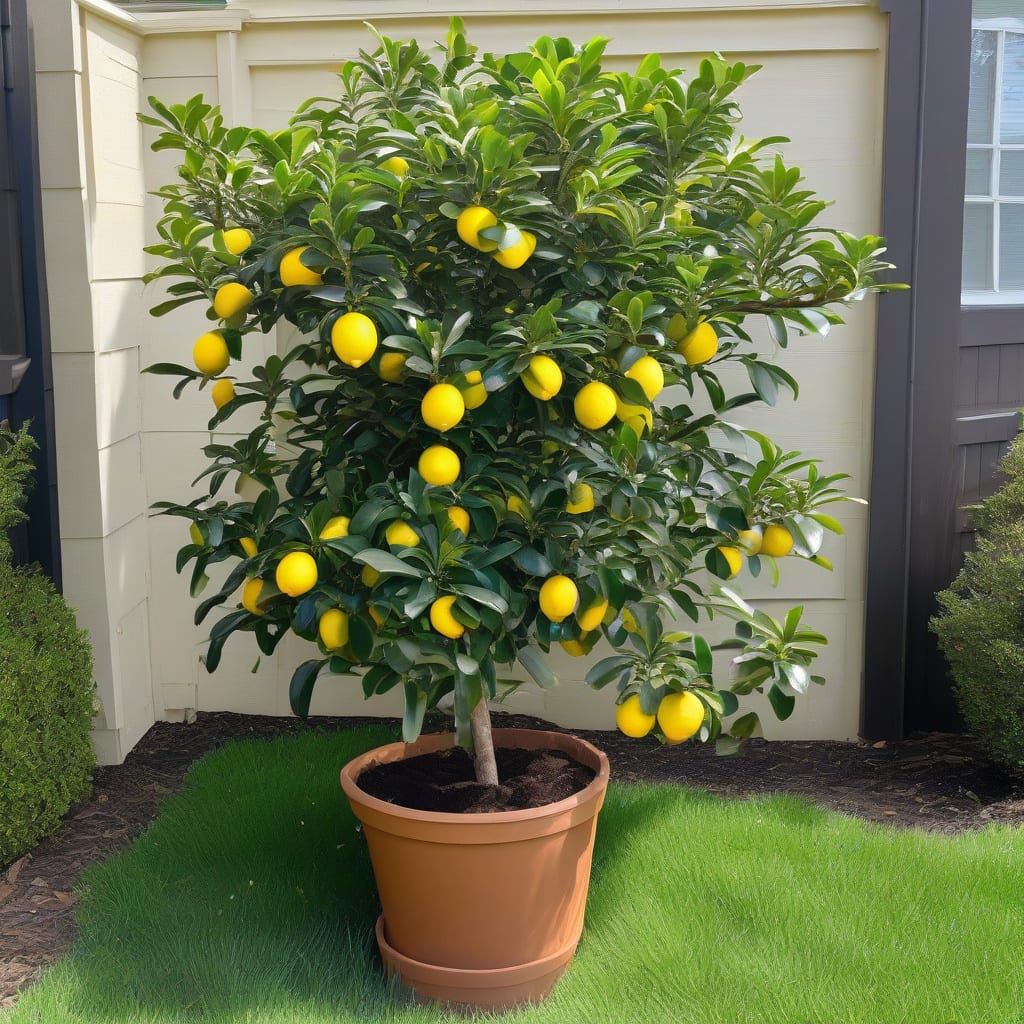
As I tend to my Meyer Lemon Tree 🍋, I’m always amazed by its compact growth and abundant fruit production. Growing in USDA Zone 9b, these trees can thrive with proper care, but their height can vary based on several factors.
Understanding how tall your Meyer Lemon Tree will grow is crucial for planning your garden or container space effectively. Let’s explore the growth patterns and factors that influence the mature height of these beautiful citrus trees.
Meyer lemon trees are known for their compact size, but their height can vary significantly based on several key factors. Understanding these factors is crucial for gardeners to manage their tree’s growth effectively and achieve the desired height.
The climate plays a significant role in determining the height of Meyer lemon trees. In ideal warm conditions with plenty of sunlight, these trees can grow more vigorously. However, in cooler climates, their growth may be more restricted.
The rootstock is another critical factor that affects the height of Meyer lemon trees. Dwarf or semi-dwarf rootstocks can help keep the tree smaller, making them ideal for container gardening or smaller spaces.
Soil quality is also vital for the healthy growth of Meyer lemon trees. Soil that is well-draining and rich in nutrients will support better growth and fruit production. Poor soil conditions can lead to stunted growth and reduced yields.
In addition to these factors, pruning is a crucial practice that can influence the height of Meyer lemon trees. Regular pruning not only helps control the tree’s height but also promotes a healthier structure and better fruit production.
Understanding these factors and how they interact is key to managing the growth of Meyer lemon trees. By considering climate, soil quality, pruning, and rootstock, gardeners can make informed decisions to achieve their desired tree height and overall health.
Meyer lemon trees typically thrive in USDA Zone 9b, where they can benefit from the warm temperatures and long growing season. This zone provides ideal conditions for these trees to reach their full potential height.
The ideal planting months for Meyer lemon trees are February, March, September, and October. Planting during these months allows the tree to establish itself during favorable weather conditions, promoting healthy growth.
For container gardening, it’s essential to choose a container that can accommodate the tree’s root system and provide enough space for growth. A well-draining potting mix and regular fertilization will also support the tree’s development.
Regular fertilization is crucial for the health and productivity of Meyer lemon trees. A balanced fertilizer (10-10-10 NPK) applied every 6-8 weeks during the growing season will provide the necessary nutrients for optimal growth and fruiting.
By understanding and managing the factors that affect Meyer lemon tree height, gardeners can enjoy a productive and beautiful citrus tree that enhances their garden or landscape 🌼.
Understanding the growth stages of Meyer lemon trees is essential for gardeners to manage their expectations and provide appropriate care. These trees go through several distinct growth phases, each with characteristic height ranges and growth rates.
Meyer lemon trees typically start as young trees and progress through various stages until they reach maturity. The growth rate and final height can be influenced by factors such as climate, soil quality, and pruning practices.
During the first year, Meyer lemon trees typically grow 2-3 feet in height as they establish their root system and develop their canopy.
In the second and third years, the trees experience a rapid growth spurt, adding another 2-3 feet in height annually, reaching 4-6 feet tall.
By the time they reach maturity, typically within 5-7 years, Meyer lemon trees can achieve heights ranging from 6-10 feet for dwarf varieties and up to 10-15 feet for standard varieties.
The growth rate of Meyer lemon trees can be influenced by various factors, including climate, soil quality, and pruning practices. Understanding these factors is crucial for managing the tree’s growth effectively.
In ideal conditions, with full sun and well-draining soil, Meyer lemon trees can grow more vigorously. Regular pruning helps maintain a desired height and promotes a healthier structure.
By understanding the growth stages and expected heights of Meyer lemon trees, gardeners can better plan their garden or container space and provide the necessary care for optimal growth and fruit production 🌳.
Meyer lemon trees are known for their compact size and abundant fruit production, making them a popular choice among gardeners. With proper care and management, these trees can thrive and provide delicious fruit for years to come.
Regular monitoring and adjustment of care practices based on the tree’s growth stage can help achieve the desired height and overall health of the Meyer lemon tree.
Pruning is a crucial practice for maintaining the desired height of Meyer lemon trees while promoting healthy growth and fruit production. By pruning regularly, you can control the tree’s size and shape, ensuring it remains compact and productive 🌳.
Start by removing any dead or diseased branches to prevent the spread of disease and encourage healthy growth.
Thin out the center of the tree to allow more sunlight to penetrate and promote air circulation, which helps prevent disease.
Cut back tall branches to maintain the desired height and encourage branching out, which can lead to more fruiting sites.
Regular pruning not only helps control the height of Meyer lemon trees but also promotes a healthier structure and better fruit production. It’s essential to use clean and sharp pruning tools to make precise cuts and minimize damage to the tree ✂️.
By following these pruning techniques, you can effectively manage the height of your Meyer lemon tree and enjoy a bountiful harvest of delicious fruit 🍋.
Pruning should be done annually to maintain the tree’s shape and promote continuous healthy growth. The best time to prune is typically in late winter or early spring, before new growth begins 📅.
Proper pruning techniques are vital for the overall health and productivity of Meyer lemon trees. By understanding and applying these techniques, gardeners can enjoy a thriving and productive citrus tree 🌼.

