
Beautiful Plants For Your Interior
Beautiful Plants For Your Interior
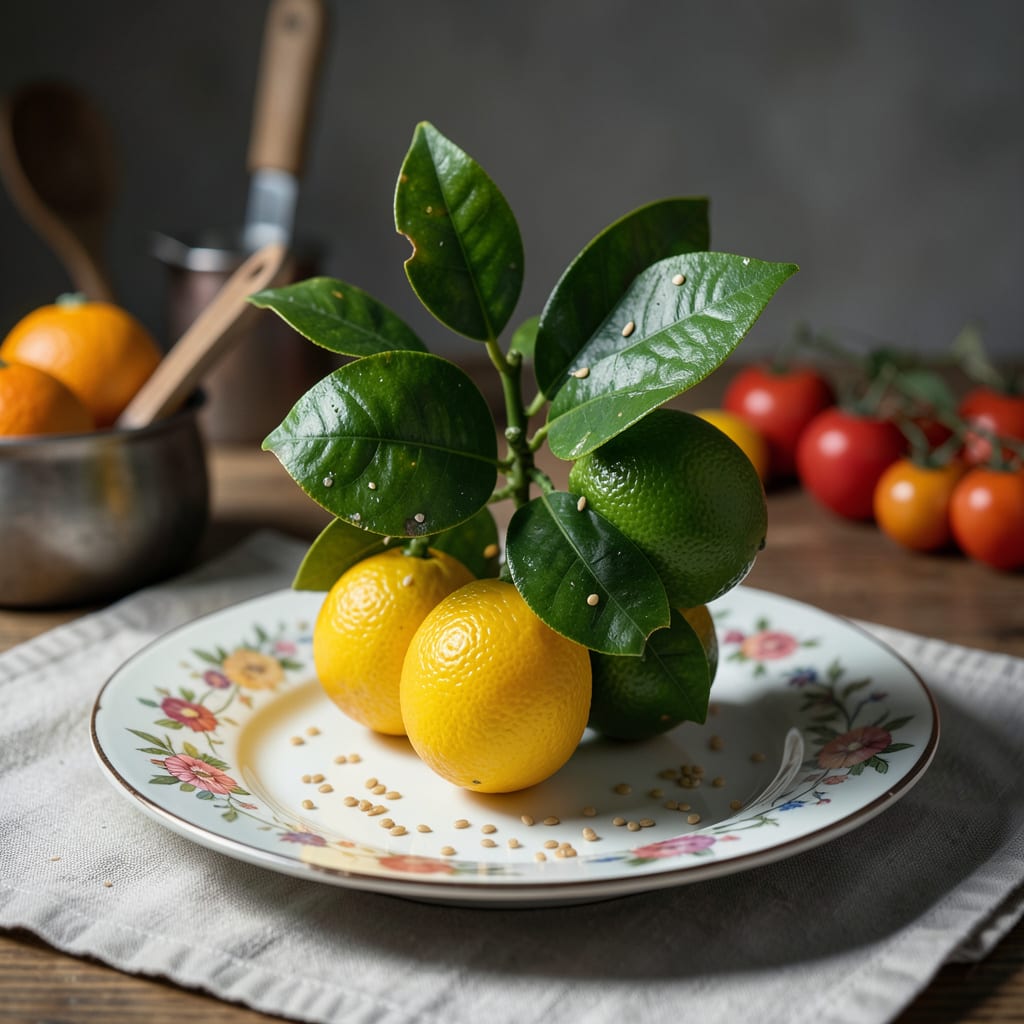
If you’re growing a 🍊 Citrus Tree in Northern California, timing is everything when it comes to fertilization. The region’s unique climate means your tree needs nutrients at just the right moments to thrive.
I’ll walk you through the best times to fertilize your Citrus Tree, considering the 9b USDA Zone and the tree’s growth cycle. This will help you make the most of your fertilization efforts and enjoy a bountiful harvest.

Fertilizing citrus trees in Northern California requires understanding the region’s climate and the tree’s growth cycle. The ideal fertilization times are during the growing seasons when the trees are most active.
In Northern California, which falls within USDA Zone 9b, citrus trees typically have two major growth periods: in spring and late summer. Fertilizing during these times supports healthy growth and fruit production 🌿.
The fertilizerMonths pattern for citrus trees in Northern California is: “none, feed, feed, light, light, none, none, light, feed, feed, none, none”. This pattern aligns with the tree’s growth cycle and the region’s seasonal changes.
For optimal results, use a balanced, slow-release fertilizer with an NPK ratio of 10-10-10 or 12-6-6. The amount to apply varies by tree size: 1-2 cups per application. It’s best to fertilize in the early morning, after watering 🌞.
Understanding the growth cycle of citrus trees is crucial. They typically experience a growth flush in spring and another in late summer. Fertilizing before these growth periods ensures the tree has necessary nutrients 🌟.
In Northern California’s Mediterranean climate, citrus trees benefit from fertilization that coincides with their natural growth patterns. The region’s wet winters and dry summers also influence fertilization timing ⛅️.
For young trees (less than 3 years old), more frequent fertilization may be necessary. Typically, young trees are fertilized every 6-8 weeks during the growing season, while mature trees are fertilized 3-4 times a year 📆.
Soil conditions also play a significant role in fertilization. Northern California’s diverse soil types may require adjustments in fertilizer application. For instance, well-draining soil is ideal for citrus trees, as it prevents root rot 💧.
Monitoring the tree’s response to fertilization is essential. Signs of nutrient deficiency, such as yellow leaves or slow growth, indicate a need to adjust the fertilization schedule 🔍.
By following this fertilization schedule and considering the specific needs of your citrus trees, you can promote healthy growth and maximize fruit production in Northern California’s climate 📈.
Regular soil testing can help determine if your fertilization strategy is effective and if any adjustments are needed. This proactive approach ensures your citrus trees receive the right nutrients at the right time 🌱.
Combining proper fertilization with other care practices, such as regular watering and pruning, will result in thriving citrus trees that produce abundant, high-quality fruit 🌼.
Fertilizing citrus trees in Northern California requires careful consideration of the region’s unique climate and soil conditions. I’ll provide practical advice on choosing the right fertilizer, application methods, and avoiding common mistakes 🌿.
First, it’s essential to understand that citrus trees in Northern California benefit from a balanced, slow-release fertilizer. The ideal NPK ratio is either 10-10-10 or 12-6-6, providing a balanced mix of nitrogen, phosphorus, and potassium 🌟.
For optimal results, fertilize your citrus trees in the early morning, after watering. This helps prevent burning the roots and ensures the fertilizer is absorbed effectively 🌞.
When applying fertilizer, it’s crucial to follow the recommended application rates. For citrus trees in Northern California, the general guideline is to use 1-2 cups of fertilizer per application, depending on the tree’s size 📏.
The timing of fertilization is also critical. As previously discussed, citrus trees in Northern California have two major growth periods: in spring (February – March) and late summer (August – September). Fertilizing during these times supports healthy growth and fruit production 📈.
Avoid common mistakes such as fertilizing during the dormant season (winter months) or over-fertilizing, which can damage the tree and the environment 🚫.
By following these fertilization tips and considering the specific needs of your citrus trees, you can promote healthy growth and maximize fruit production in Northern California’s climate 🌼.
Regular monitoring of your trees’ response to fertilization and adjusting your strategy as needed will help ensure optimal results 🔍.
Combining proper fertilization with other care practices, such as regular watering and pruning, will result in thriving citrus trees that produce abundant, high-quality fruit 🍊.
Northern California’s climate presents unique challenges for citrus tree care. Understanding these seasonal factors is crucial for effective fertilization and overall tree health 🌿.
The region’s Mediterranean climate means citrus trees experience wet winters and dry summers. This pattern affects fertilization timing and effectiveness ⛅️.
Fertilization timing should align with the tree’s growth cycle and Northern California’s seasonal changes. Avoid fertilizing during the dormant winter months ❄️.
Weather patterns play a significant role in citrus tree care. Frost protection is essential during winter, as citrus trees are sensitive to freezing temperatures 🌟.
Soil conditions also impact fertilization effectiveness. Well-draining soil is ideal for citrus trees, as it prevents root rot and ensures healthy nutrient uptake 🌱.
By considering these seasonal factors and adjusting your fertilization strategy accordingly, you can promote healthy growth and maximize fruit production in Northern California’s climate 📈.
Regular monitoring of your trees’ response to fertilization and adjusting your strategy as needed will help ensure optimal results 🔍.
Combining proper fertilization with other care practices, such as regular watering and pruning, will result in thriving citrus trees that produce abundant, high-quality fruit 🍊.
Fertilize citrus trees in Northern California during their active growth periods: February-March and August-September. This supports healthy growth and fruit production.
For mature trees, fertilize 3-4 times a year, following the recommended schedule. Young trees (less than 3 years old) may need fertilization every 6-8 weeks during the growing season.
Use a balanced, slow-release fertilizer with an NPK ratio of 10-10-10 or 12-6-6. This provides the necessary nutrients for healthy growth and fruit production.
No, it’s best to avoid fertilizing citrus trees during the dormant winter months. Fertilization during this time can be ineffective and may damage the tree.
