
Beautiful Plants For Your Interior
Beautiful Plants For Your Interior
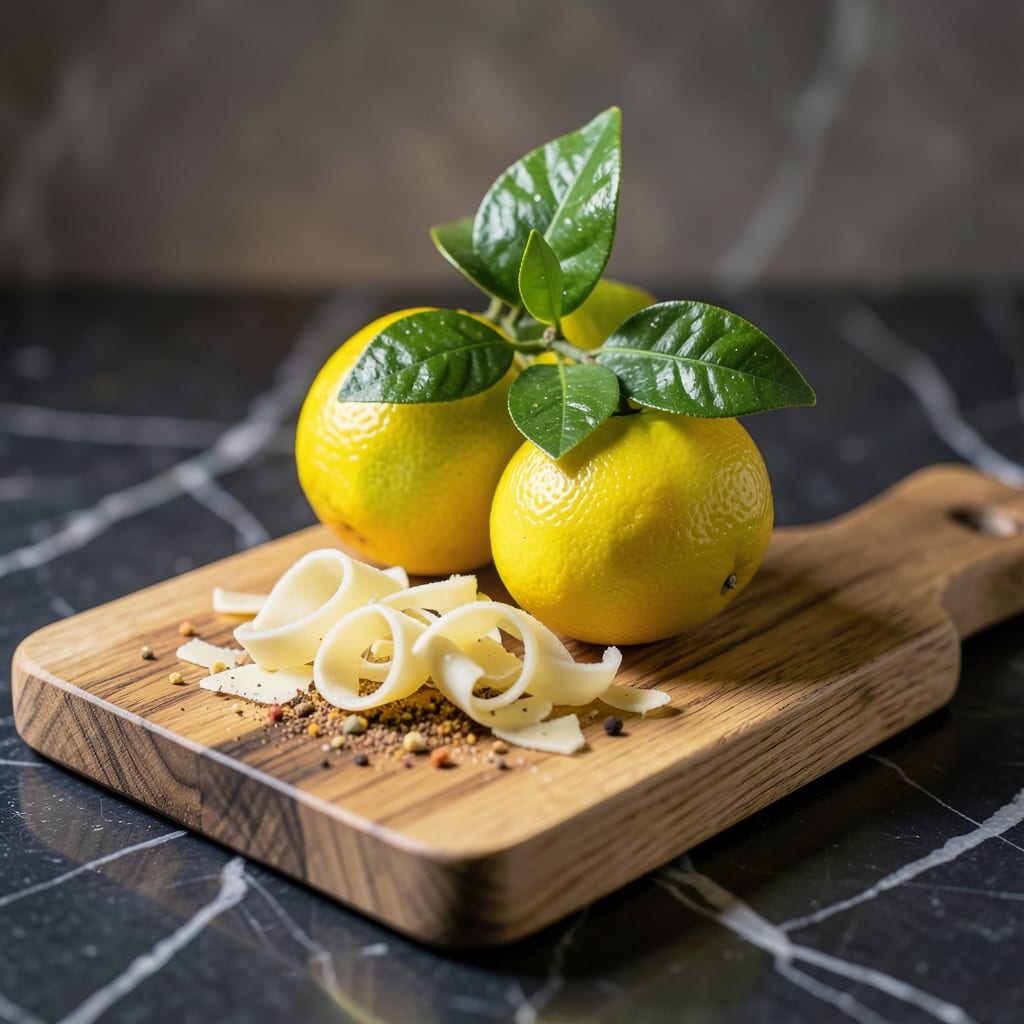
Growing citrus trees 🍊 in Florida can be a rewarding experience, but it requires careful planning. Fertilization timing is crucial for maximizing yield and maintaining tree health in the state’s subtropical climate.
I’ll guide you through the best times to fertilize your citrus trees in Florida, helping you make the most of your crop. With the right fertilization schedule, you’ll be enjoying fresh, juicy citrus fruits in no time – and I’ll show you exactly when to start.

Florida’s subtropical climate creates ideal conditions for growing citrus trees, but understanding the best fertilization times is crucial for optimal tree health and maximum yield. The state’s long growing season means citrus trees can benefit from multiple fertilizations throughout the year.
I recommend fertilizing citrus trees during their active growth periods to maximize nutrient uptake and support healthy development. In Florida’s climate, this typically means fertilizing during the spring and summer months when trees are producing new growth.
The fertilization frequency for citrus trees in Florida typically follows a 6-8 week schedule during the growing season. This allows for consistent nutrient availability as the trees actively grow and produce fruit.
For young citrus trees (less than 3 years old), I recommend more frequent fertilization (every 4-6 weeks) to support their rapid growth and development. Mature trees can follow the standard 6-8 week schedule.
When selecting a fertilizer for your citrus trees, look for a balanced, slow-release product with an NPK ratio of 8-8-8 or 10-10-10. This type of fertilizer provides a steady supply of essential nutrients to support overall tree health and fruit production.
It’s essential to avoid fertilizing citrus trees during the winter months (November to January) in Florida. During this time, trees are generally dormant, and fertilization can promote new growth that may be vulnerable to cold damage.
Soil conditions also play a critical role in citrus tree fertilization. Florida’s soils tend to be acidic and well-draining, which can affect nutrient availability. I recommend conducting regular soil tests to determine your specific nutrient needs and adjust your fertilization program accordingly.
In addition to proper timing and fertilizer selection, it’s crucial to apply fertilizer correctly. Spread the fertilizer evenly under the tree’s drip line, avoiding direct contact with the trunk. Water thoroughly after application to help nutrients reach the root zone.
By following this fertilization schedule and considering your specific soil conditions, you can help ensure your citrus trees receive the nutrients they need to thrive in Florida’s climate.
Regular monitoring of your trees’ health and adjusting your fertilization program as needed will help maintain optimal productivity and overall tree health for years to come.
For more specific guidance tailored to your location within Florida, consider consulting with local agricultural extension services or citrus growing experts who can provide region-specific advice.
Understanding the fertilization needs of citrus trees at different ages is crucial for optimal growth and fruit production in Florida’s climate. The age of your citrus tree significantly impacts its nutrient requirements and fertilization schedule.
For young citrus trees (less than 3 years old), more frequent fertilization is necessary to support their rapid growth and development. I recommend fertilizing these trees every 4-6 weeks during the growing season (February to October in Florida).
Fertilize every 4-6 weeks during the growing season (February-October) with a balanced, water-soluble fertilizer at half the recommended strength.
Switch to a slow-release fertilizer and apply every 6-8 weeks during the growing season. Gradually increase the amount of fertilizer as the tree grows.
Maintain the 6-8 week fertilization schedule during the growing season. Monitor tree health and adjust fertilizer amounts based on soil test results and tree performance.
It’s essential to adjust your fertilization schedule based on your citrus tree’s age and growth stage. Younger trees require more frequent fertilization, while mature trees can follow a less frequent schedule.
When fertilizing citrus trees, it’s also important to consider the type of fertilizer you’re using. A balanced, slow-release fertilizer with an NPK ratio of 8-8-8 or 10-10-10 is generally recommended for citrus trees in Florida.
For specific guidance on fertilizing your citrus trees based on their age and your local conditions, consider consulting with local agricultural extension services or citrus growing experts.
By following an age-appropriate fertilization schedule, you can help ensure your citrus trees receive the nutrients they need to thrive in Florida’s climate.
Regular monitoring of your trees’ health and adjusting your fertilization program as needed will help maintain optimal productivity and overall tree health for years to come.
When fertilizing citrus trees in Florida, it’s essential to consider the state’s unique soil conditions. Florida’s soils tend to be acidic and sandy, which can affect nutrient availability and impact tree health.
Florida’s acidic soils may require adjustments to your fertilization program. Regular soil testing can help determine your specific nutrient needs.
I recommend conducting regular soil tests to determine your specific nutrient needs and adjust your fertilization program accordingly. This will help ensure your citrus trees receive the necessary nutrients to thrive in Florida’s climate 🌿.
In addition to proper fertilization timing and soil testing, it’s crucial to apply fertilizer correctly. Spread the fertilizer evenly under the tree’s drip line, avoiding direct contact with the trunk. Water thoroughly after application to help nutrients reach the root zone 💧.
By following these additional tips and considering your specific soil conditions, you can help ensure your citrus trees receive the nutrients they need to thrive in Florida’s climate. Regular monitoring of your trees’ health and adjusting your fertilization program as needed will help maintain optimal productivity and overall tree health for years to come 🌟.
Fertilize citrus trees every 6-8 weeks during the growing season (February to October) for optimal health. Young trees (less than 3 years old) require more frequent fertilization, every 4-6 weeks.
Use a balanced, slow-release fertilizer with an NPK ratio of 8-8-8 or 10-10-10. This type provides essential nutrients for overall tree health and fruit production.
No, avoid fertilizing citrus trees during winter months (November to January) in Florida. Trees are generally dormant, and fertilization can promote new growth vulnerable to cold damage.
Spread fertilizer evenly under the tree’s drip line, avoiding direct contact with the trunk. Water thoroughly after application to help nutrients reach the root zone.
