
Beautiful Plants For Your Interior
Beautiful Plants For Your Interior
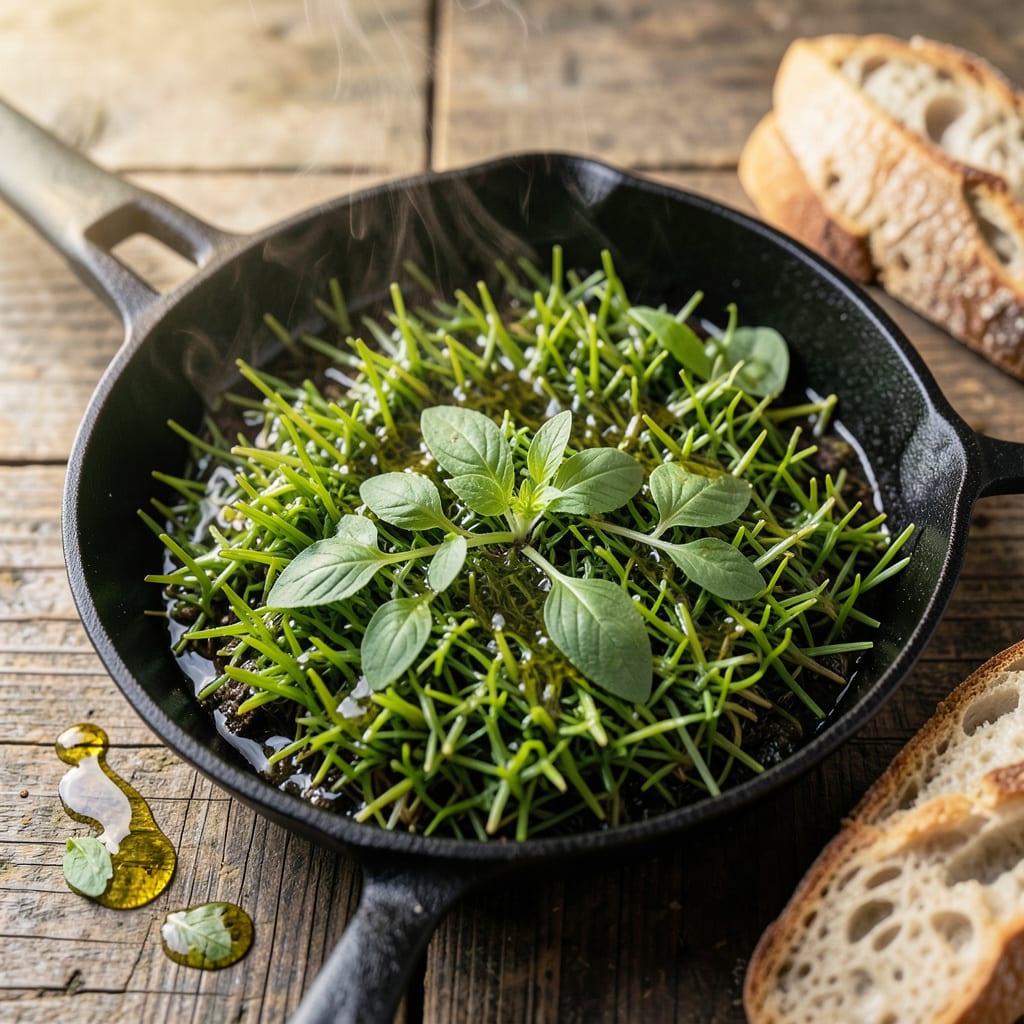
Laying new St. Augustine sod 🌿 is just the first step in achieving that perfect lawn. The real challenge comes with establishing it properly, and fertilization plays a crucial role in this process.
In St. Augustine, where the climate is warm and humid, timing your fertilization correctly is key to helping your new sod take root and thrive.

When laying new St. Augustine sod, timing your fertilization correctly is crucial for establishing a healthy lawn. The key is to wait until the sod has taken root, which typically occurs within 2-4 weeks after installation 🌱.
During this initial period, the sod focuses on developing its root system. Fertilizing too early can damage the young roots, while waiting too long may slow down establishment. The ideal time to fertilize is after the first mowing, which usually happens 7-10 days after installation 🔄.
Fertilizing new St. Augustine sod requires careful consideration of the type of fertilizer used. A starter fertilizer with a balanced NPK ratio (such as 3-1-2 or 4-1-2) is recommended to support root development and overall growth 🌿.
The application rate is also critical. Over-fertilizing can damage the young sod, while under-fertilizing may not provide enough nutrients for optimal growth. Typically, 1 pound of fertilizer per 1000 square feet is a good starting point 📏.
It’s essential to follow the manufacturer’s instructions for the specific fertilizer being used, as application rates can vary. Additionally, watering the sod thoroughly after fertilizing helps to prevent burning the grass and ensures the nutrients are absorbed properly 💧.
Soil conditions also play a significant role in determining the best fertilization schedule. Factors such as soil pH, nutrient content, and drainage can affect how the sod responds to fertilization 🌿.
For example, if the soil is particularly sandy or has poor drainage, more frequent fertilization may be necessary. Conversely, if the soil is heavy clay or retains moisture well, less frequent fertilization might be sufficient 🌟.
Monitoring the sod’s response to fertilization is crucial. Look for signs of healthy growth, such as deep green color and robust root development. If the sod shows signs of stress or nutrient deficiency, adjustments to the fertilization schedule may be needed 🔍.
In St. Augustine, where the climate is warm and humid, regular watering is essential to support the sod’s establishment. Aim to keep the soil consistently moist during the first few weeks after installation 💦.
By understanding the optimal fertilization timing and taking into account factors like soil conditions and watering needs, you can give your new St. Augustine sod the best chance to thrive 🌟.
For long-term success, it’s also important to consider post-establishment fertilization strategies. This includes maintaining a regular fertilization schedule during the growing season, typically every 6-8 weeks 📆.
By following these guidelines and being mindful of your sod’s specific needs, you can enjoy a lush, healthy lawn for years to come 🌿.
When fertilizing new St. Augustine sod, it’s crucial to understand that the establishment phase is critical for long-term success. During this period, the sod is developing its root system, and proper fertilization can make a significant difference 🌿.
The first fertilization should occur after the initial mowing, typically 7-10 days after installation. At this stage, it’s essential to use a starter fertilizer that promotes root growth and establishment 🔄.
Avoid fertilizing too early, as this can damage young roots. Also, be cautious not to over-fertilize, as this can cause excessive growth and lead to other issues like increased disease susceptibility and weed invasion.
When choosing a fertilizer, look for a product with a balanced NPK ratio, such as 3-1-2 or 4-1-2. This will provide the necessary nutrients for healthy growth and root development 🌱.
The application rate is also critical. Typically, 1 pound of fertilizer per 1000 square feet is recommended, but always follow the manufacturer’s instructions for the specific product being used 📏.
Soil conditions play a significant role in how the sod responds to fertilization. Factors like soil pH, nutrient content, and drainage can affect the fertilization schedule. For example, sandy soils may require more frequent fertilization, while heavy clay soils might need less frequent applications 🌟.
Monitoring the sod’s response to fertilization is crucial. Watch for signs of healthy growth, such as a deep green color and robust root development. If the sod shows signs of stress or nutrient deficiency, adjustments to the fertilization schedule may be necessary 🔍.
By following these guidelines and being mindful of your sod’s specific needs, you can ensure a healthy and thriving lawn for years to come 🌿.
For St. Augustine sod, maintaining a regular watering schedule is also vital during the establishment phase. Aim to keep the soil consistently moist during the first few weeks after installation 💦.
Proper fertilization and watering practices will help your new St. Augustine sod establish a strong root system, leading to a lush, green, and resilient lawn 🌟.
After your new St. Augustine sod has been established, maintaining a proper fertilization schedule is crucial for long-term health and vitality. The establishment phase typically lasts 2-4 weeks after installation, during which the sod develops its root system 🌱.
During the growing season (typically March to October in St. Augustine), continue to fertilize your lawn every 6-8 weeks to maintain its health and vigor 📆.
Choose a fertilizer with a balanced NPK ratio (such as 3-1-2 or 4-1-2) to provide your lawn with the necessary nutrients for healthy growth 🌱.
Be aware of your soil’s pH level, nutrient content, and drainage, as these factors can affect your fertilization schedule and the overall health of your lawn 🌿.
By following these post-establishment fertilization strategies, you can ensure your St. Augustine sod remains healthy, lush, and resilient throughout the year 🌟.
Regular maintenance, including proper mowing, watering, and pest control, will also contribute to the overall health and appearance of your lawn 🌿.
For more specific advice tailored to your local climate and soil conditions, consider consulting with a local gardening expert or lawn care professional 🔍.
Wait until after the first mowing, typically 7-10 days after installation. This allows the sod to establish its root system before fertilization. Using a starter fertilizer with balanced NPK at this stage promotes healthy growth .
A starter fertilizer with a balanced NPK ratio (such as 3-1-2 or 4-1-2) is recommended. This type of fertilizer supports root development and overall growth during the critical establishment phase. Apply at the recommended rate, usually 1 lb/1000 sqft .
During the growing season (March to October), fertilize every 6-8 weeks. Continue using a balanced fertilizer to maintain the health and vigor of your lawn. Monitor soil conditions and adjust the fertilization schedule as needed .
No, it’s best to avoid fertilizing immediately. Wait until after the first mowing to prevent damaging the young roots. Fertilizing too early can cause more harm than good, potentially leading to excessive growth or nutrient burn .
