
Beautiful Plants For Your Interior
Beautiful Plants For Your Interior
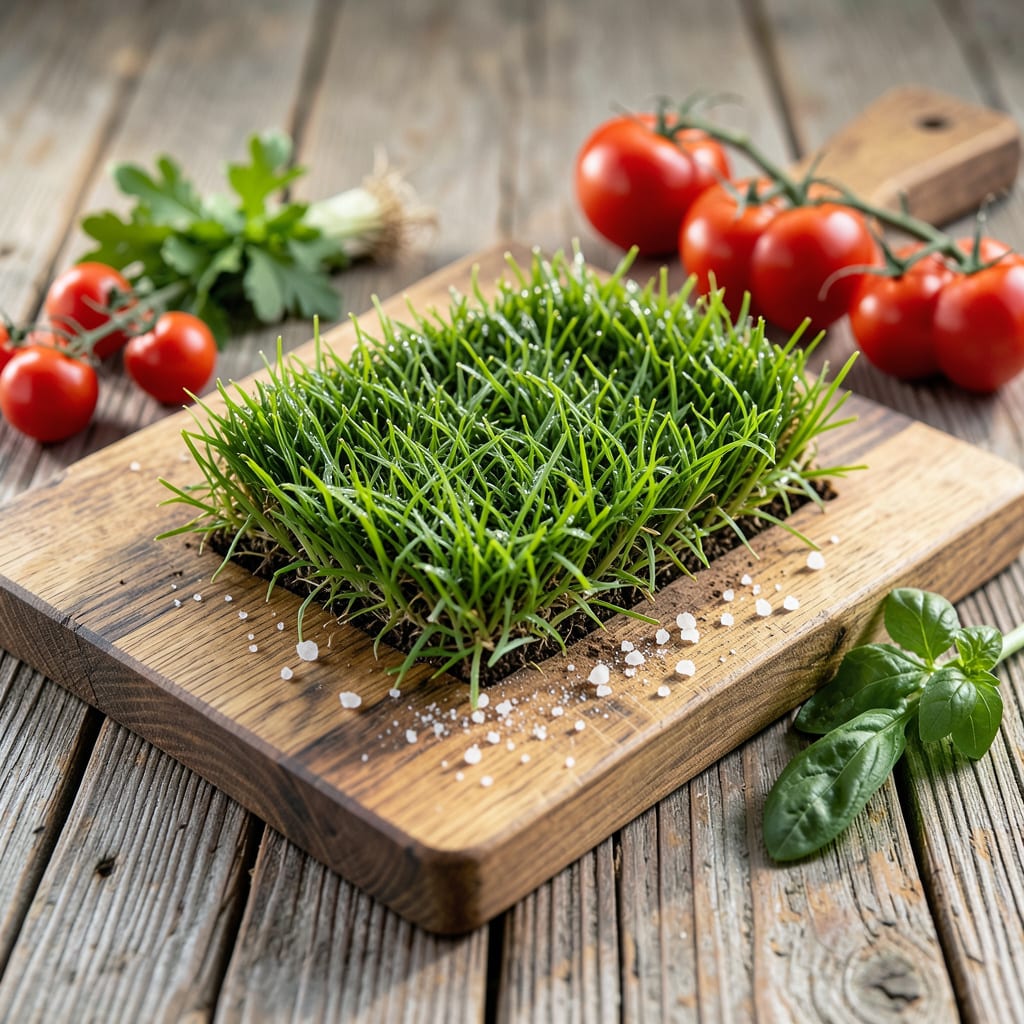
I’ve learned that fertilizing new sod at the right time is crucial for a healthy, vibrant lawn 🌿. Timing depends on factors like grass type and climate.
For Turf Grass in zone 6, spring and fall are ideal times to fertilize. I’ll guide you through the best practices to ensure your new sod thrives.

Fertilizing new sod requires careful timing to ensure optimal growth and establishment. The ideal time depends on factors like grass type, climate, and soil conditions. For most cool-season grasses, fertilization should begin after the sod has been established, typically 2-3 weeks after installation 🌱.
In USDA Zone 6, the best times to fertilize new sod are during spring (March to May) and fall (September to November). These periods offer optimal growing conditions with moderate temperatures and adequate moisture.
The type of fertilizer used is also crucial. A balanced fertilizer with an NPK ratio of 10-10-10 is generally recommended for new sod. This balanced ratio provides essential nutrients for root development, leaf growth, and overall plant health.
Application rates should be followed according to the manufacturer’s instructions, typically around 1 lb per 1000 sq ft. Over-fertilization can damage the sod, while under-fertilization may result in slow establishment.
Fertilizer should be applied in the early morning when dew is still present on the grass. This helps the granules stick to the blades and reduces the risk of drift due to wind 🔥.
For cool-season grasses, a starter fertilizer with higher phosphorus content can be beneficial during the initial establishment phase. This promotes root development and helps the sod establish quickly.
It’s essential to water the sod thoroughly after fertilizing to help the nutrients reach the root zone. However, avoid overwatering, which can lead to nutrient runoff and potentially harm the environment.
Soil testing can provide valuable insights into the nutrient needs of your new sod. Based on the test results, you can adjust your fertilization schedule and choose the appropriate type of fertilizer.
By following these guidelines and considering factors like grass type, climate, and soil conditions, you can ensure your new sod receives the necessary nutrients for optimal growth and establishment 🌿.
Regular monitoring of your sod’s health and adjusting your fertilization schedule as needed will help you achieve a lush, vibrant lawn that withstands weather challenges and daily wear.
With proper care and attention, your new sod will thrive and become a beautiful, healthy lawn that enhances your outdoor living space.
Fertilizing new sod requires careful planning and execution to ensure optimal establishment and growth. The process begins with selecting the right type of fertilizer and understanding how to apply it correctly 🌱.
A balanced fertilizer with an NPK ratio of 10-10-10 is generally recommended for new sod. This type of fertilizer provides essential nutrients for root development, leaf growth, and overall plant health.
Choose a balanced fertilizer and follow the manufacturer’s instructions for application rates, typically around 1 lb per 1000 sq ft.
Apply the fertilizer in the early morning when dew is still present on the grass. This helps the granules stick to the blades and reduces the risk of drift due to wind.
Water the sod thoroughly after fertilizing to help the nutrients reach the root zone. Avoid overwatering, which can lead to nutrient runoff and potentially harm the environment.
For cool-season grasses, a starter fertilizer with higher phosphorus content can be beneficial during the initial establishment phase. This promotes root development and helps the sod establish quickly.
Soil testing can provide valuable insights into the nutrient needs of your new sod. Based on the test results, you can adjust your fertilization schedule and choose the appropriate type of fertilizer.
By following these guidelines and considering factors like grass type, climate, and soil conditions, you can ensure your new sod receives the necessary nutrients for optimal growth and establishment 🌿.
Regular monitoring of your sod’s health and adjusting your fertilization schedule as needed will help you achieve a lush, vibrant lawn that withstands weather challenges and daily wear.
With proper care and attention, your new sod will thrive and become a beautiful, healthy lawn that enhances your outdoor living space 🌟.
Fertilizing new sod requires avoiding common mistakes that can hinder its establishment and growth 🌱. One of the most critical errors is over-fertilizing, which can damage the sod and lead to environmental pollution.
Avoid over-fertilizing as it can damage new sod and harm the environment. Follow recommended application rates and timing.
Another mistake is under-fertilizing, which can result in slow establishment and poor growth. It’s essential to strike a balance and follow the recommended fertilization schedule based on the type of grass and climate.
Using the wrong type of fertilizer can also be detrimental. A balanced fertilizer with an NPK ratio of 10-10-10 is generally recommended for new sod, providing essential nutrients for root development and overall health.
Soil testing is crucial to determine the nutrient needs of your new sod. Based on the test results, you can adjust your fertilization schedule and choose the appropriate type of fertilizer 🔥.
By being aware of these common mistakes and taking steps to avoid them, you can ensure your new sod receives the necessary nutrients for optimal growth and establishment.
Wait 2-3 weeks after installation to allow the sod to establish itself. This initial period is critical for root development, and fertilizing too early can cause damage. Fertilize when the sod shows signs of new growth .
A balanced fertilizer with an NPK ratio of 10-10-10 is generally recommended. This provides essential nutrients for root development, leaf growth, and overall plant health. For cool-season grasses, a starter fertilizer with higher phosphorus content can be beneficial during the initial establishment phase .
Fertilize new sod every 4-6 weeks during the growing season. In USDA Zone 6, this typically means fertilizing during spring (March to May) and fall (September to November). Adjust the schedule based on your sod’s specific needs and soil conditions .
While it’s possible to fertilize in summer, it’s generally recommended to maintain regular fertilization started in spring. Use a balanced fertilizer and follow the manufacturer’s instructions to avoid over-fertilizing, which can damage the sod and harm the environment .
