
Beautiful Plants For Your Interior
Beautiful Plants For Your Interior
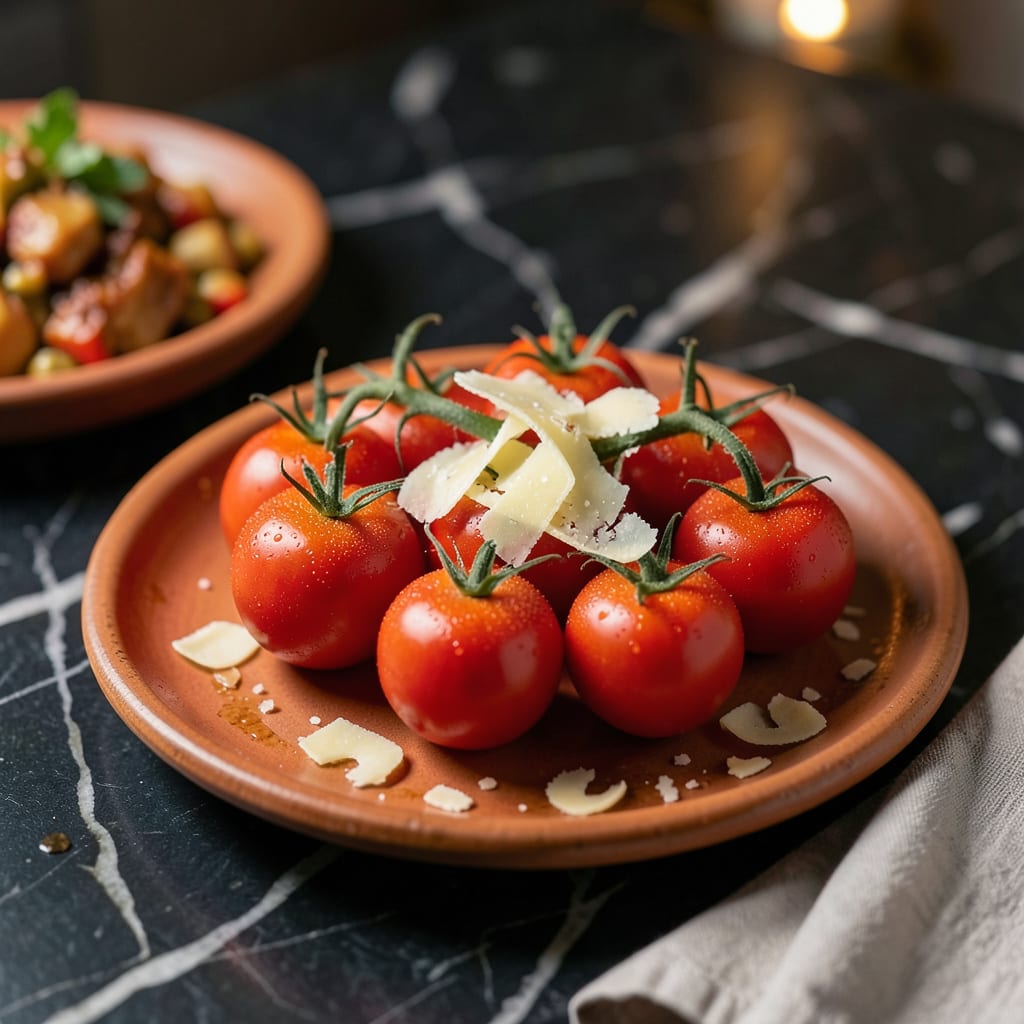
Growing tomatoes 🍅 in Iowa can be challenging due to the state’s unpredictable weather patterns, but with the right timing, you can enjoy a bountiful harvest. The key is understanding when to plant tomatoes in Iowa‘s specific climate conditions.
Iowa’s USDA zones 4-6 have unique frost dates that determine the ideal planting window. Let’s explore the best time to plant tomatoes in Iowa and what you need to know for a successful harvest.
Ideal Time
Also Good
Iowa’s diverse climate across different regions requires understanding specific planting times for tomatoes. The state’s USDA zones range from 4 to 6, creating varying conditions for gardeners.
The ideal time to plant tomatoes in Iowa depends on the last frost date, which varies by region. Generally, tomato planting occurs in late spring when soil temperatures reach 55°F-60°F 🌟
Understanding these regional differences helps gardeners choose the best planting time for their specific location. The frost-free days in Iowa range from 150 to 180 days, allowing for a relatively long growing season.
In Northern Iowa, gardeners should wait until late May to plant tomatoes, as the last frost date typically occurs around May 20-25. For Central Iowa, the ideal planting time is usually between May 5-15, while in Southern Iowa, gardeners can start as early as May 1-10.
To ensure successful tomato cultivation, it’s crucial to monitor soil temperature and wait until it reaches the optimal range before planting. This temperature requirement is critical for root development and overall plant health.
Regional Planting Considerations include understanding local microclimates and frost patterns. Gardeners should also consider factors like soil quality and sunlight exposure when planning their tomato garden 🌾
The length of the growing season in Iowa allows for both early and late tomato varieties to thrive. By choosing appropriate varieties and planting at the right time, gardeners can enjoy a continuous harvest throughout the summer months.
Successful tomato cultivation in Iowa requires careful planning and attention to regional climate conditions. By understanding the specific needs of their area, gardeners can maximize their chances of a bountiful harvest 🍅
Iowa gardeners should also be aware of potential weather challenges during the growing season, including summer storms and temperature fluctuations. Proper planning and preparation can help mitigate these risks.
By combining knowledge of regional planting times with good gardening practices, Iowa gardeners can enjoy a successful and productive tomato harvest. The key is to stay informed about local conditions and adjust planting schedules accordingly 📅
Overall, Iowa’s climate offers a good environment for growing delicious tomatoes, with proper timing being the critical factor for success. Gardeners who understand their region’s specific needs can look forward to a rewarding growing season 🌼
Successful tomato cultivation in Iowa begins with proper soil preparation and selecting the right tomato varieties. These two factors are crucial for achieving a healthy and productive harvest.
The ideal soil for tomatoes should have good drainage, be rich in organic matter, and maintain a pH between 6.0 and 6.8. Iowa gardeners can improve their soil by adding compost or well-rotted manure to enhance its fertility and structure 🌱
When choosing tomato varieties, Iowa gardeners should consider factors such as disease resistance, maturity days, and growth habit. Popular varieties for the region include ‘Early Girl’, ‘Better Boy’, and ‘Brandywine’ 🍅
Disease resistance is particularly important in Iowa’s climate, where diseases like Verticillium wilt and early blight can be prevalent. Look for varieties with resistance to these common issues to ensure a healthier crop.
The maturity days of a tomato variety should be considered in relation to Iowa’s growing season. Early and mid-season varieties are often good choices, as they can mature before the first frost.
Iowa gardeners can choose between determinate and indeterminate tomato varieties based on their preferences and available space. Determinate varieties are more compact and suitable for container gardening, while indeterminate varieties require more support but often produce fruit throughout the season.
By combining proper soil preparation with the selection of appropriate tomato varieties, Iowa gardeners can set themselves up for success in growing delicious and healthy tomatoes 🌼
The right combination of soil quality and variety selection will contribute to a bountiful harvest and a rewarding gardening experience.
After successfully planting tomatoes in Iowa, proper post-planting care is crucial for a bountiful harvest. The state’s unpredictable weather patterns require gardeners to be vigilant in maintaining healthy tomato plants throughout the growing season.
Watering is a critical aspect of tomato care in Iowa. Tomatoes need consistent moisture, especially during hot summer months. Gardeners should water deeply once or twice a week, depending on weather conditions, to encourage deep root growth 🌟
Water tomatoes in the early morning to minimize evaporation and reduce the risk of fungal diseases.
Pest management is another essential aspect of post-planting care. Common tomato pests in Iowa include tomato hornworms, aphids, and cutworms. Gardeners should regularly inspect their plants and use organic pest control methods whenever possible to minimize damage.
Disease prevention is equally important. Iowa’s humid summers can lead to diseases like early blight and septoria leaf spot. To prevent these issues, gardeners should ensure good air circulation around plants, avoid overhead watering, and remove any infected leaves promptly.
By following these post-planting care tips, Iowa gardeners can enjoy a healthy and productive tomato harvest throughout the summer months. Regular maintenance and attention to potential issues will help ensure a bountiful harvest of delicious homegrown tomatoes 🌼
Iowa’s climate can be challenging, but with proper care and attention, tomato plants can thrive. Gardeners should stay vigilant and adapt their care strategies as needed to address any issues that arise during the growing season.
Successful tomato cultivation in Iowa requires a combination of proper timing, good soil preparation, and ongoing care. By mastering these elements, gardeners can enjoy a rewarding and productive growing season 📅
The ideal time to plant tomatoes in Iowa varies by region. In Southern Iowa, you can start as early as May 1-10, while in Central Iowa, it’s best between May 5-15, and in Northern Iowa, wait until late May. Make sure soil temperature reaches 55°F-60°F before planting.
Check with your local nursery or extension office for specific last frost dates in your area. Generally, Iowa’s last frost dates range from April 15 to May 15. You can also track weather forecasts and soil temperature to determine the best planting time.
Iowa gardeners often prefer early and mid-season tomato varieties that mature before the first frost. Popular choices include ‘Early Girl’, ‘Better Boy’, and ‘Brandywine’. Consider disease-resistant varieties to combat common issues like Verticillium wilt and early blight.
Tomatoes need consistent moisture, especially during hot summer months. Water deeply once or twice a week, depending on weather conditions, to encourage deep root growth. Water in the early morning to minimize evaporation and reduce the risk of fungal diseases.
