
Beautiful Plants For Your Interior
Beautiful Plants For Your Interior
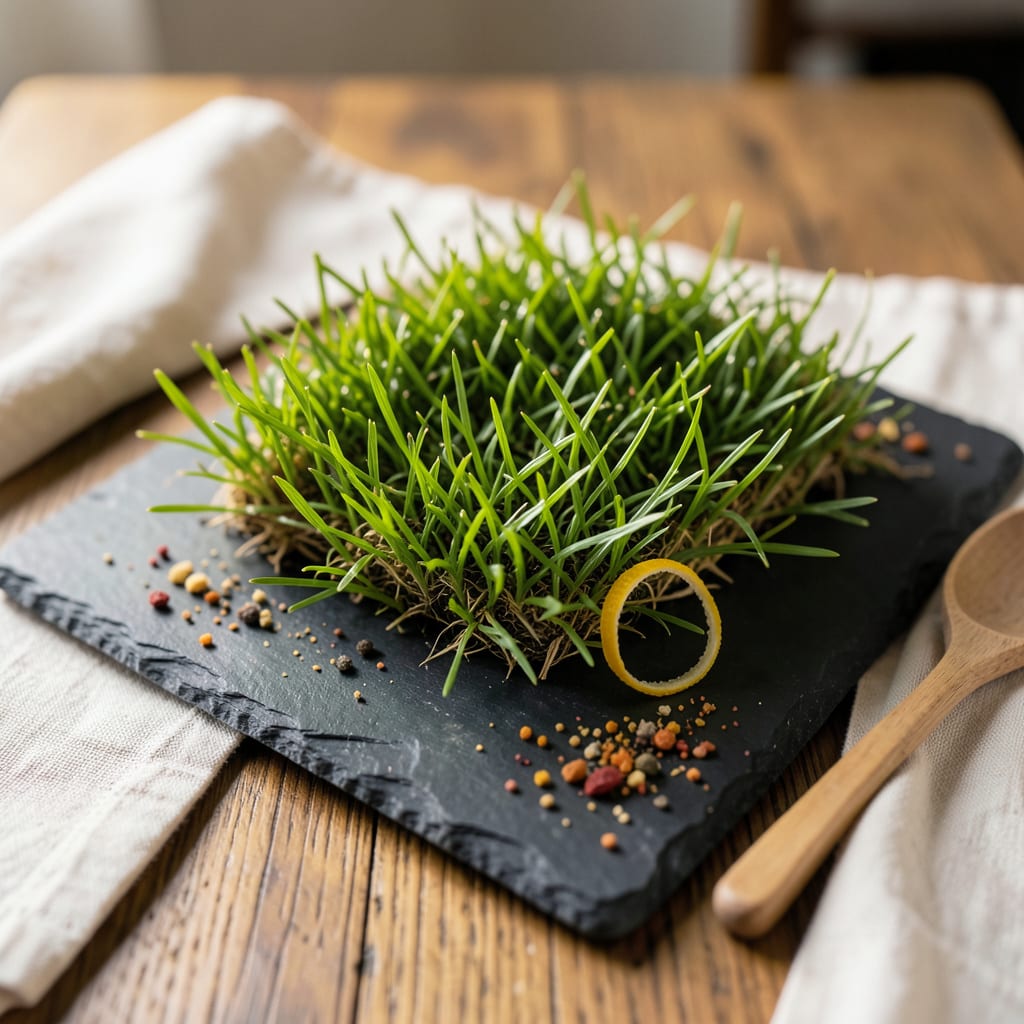
Laying new sod is an exciting step toward achieving a lush, green lawn 🌿. To help it thrive, fertilizing at the right time is crucial for root development and overall health.
Fertilizing new Turf Grass in zone 6 during the growing season (April – October) can make all the difference. I’ll guide you through the best practices for fertilizing your new sod, ensuring it gets the nutrients it needs to flourish.

Understanding the ideal timing for fertilizing new sod is crucial for promoting root development and overall health. The best time to fertilize depends on factors like grass type, climate, and soil conditions 🌿.
For most Turf Grass varieties in USDA Zone 6, the growing season typically spans from April to October. During this period, your sod will require regular fertilization to establish a strong root system and maintain its vibrant color.
The fertilizer type and application rate are also critical for new sod. A starter fertilizer is typically applied immediately after installation, followed by a balanced fertilizer 4-6 weeks later 🌟.
During the growing season, continue fertilizing every 4-6 weeks. This schedule helps maintain the health and vigor of your lawn, ensuring it remains lush and green throughout the year.
Soil conditions and climate also play a significant role in determining the best fertilization schedule. Be sure to monitor your lawn’s response to fertilization and adjust your schedule as needed 🔍.
Fertilizing new sod is a critical step in establishing a healthy lawn. By following the right fertilization schedule and using the appropriate fertilizer type, you can promote strong root development and overall health 🌱.
For Turf Grass in zone 6, the ideal fertilization period is during the growing season (April – October). This ensures your lawn receives the necessary nutrients to thrive during the active growing months.
By understanding the best time to fertilize your new sod and following a well-planned fertilization schedule, you can enjoy a lush, healthy lawn for years to come 🌿.
Regular fertilization, combined with proper watering and mowing practices, will help your new sod establish a strong root system and maintain its health throughout the growing season.
For more specific advice tailored to your lawn’s needs, consider consulting with a local gardening expert or lawn care professional 📞.
Fertilizing new sod effectively requires careful consideration of several factors, including fertilizer type, application rates, and methods. To promote healthy growth and avoid common mistakes, it’s essential to understand the best practices for fertilizing your new sod 🌿.
I recommend choosing a balanced fertilizer with a nitrogen-phosphorus-potassium (NPK) ratio of 10-10-10. This type of fertilizer provides the necessary nutrients for root development and overall health.
Apply fertilizer in the early morning when dew is still present to help it stick to the grass blades and reduce waste 🔍.
When applying fertilizer,
Soil conditions and climate also play a significant role in determining the best fertilization schedule. Be sure to monitor your lawn’s response to fertilization and adjust your schedule as needed.
For Turf Grass in zone 6, maintaining a regular fertilization schedule during the growing season (April – October) is crucial. This ensures your lawn receives the necessary nutrients to thrive during the active growing months 🌿.
By following these tips and techniques, you can fertilize your new sod effectively and promote healthy growth.
Regular fertilization, combined with proper watering and mowing practices, will help your new sod establish a strong root system and maintain its health throughout the growing season.
For more specific advice tailored to your lawn’s needs, consider consulting with a local gardening expert or lawn care professional.
Understanding the fertilization schedule for new sod is critical for ensuring it gets the nutrients it needs from the start for long-term success 🌱.
A well-planned fertilization strategy begins before the sod is even laid and continues after installation. I’ll guide you through the steps to follow for a healthy and thriving lawn.
Prepare the soil by testing its pH and nutrient levels. Based on the results, apply necessary amendments to create a conducive environment for your new sod.
Apply a starter fertilizer to promote root growth and establishment. This initial fertilization is crucial for setting your sod up for success.
Apply a balanced fertilizer (e.g., 10-10-10 NPK) to continue supporting the development of your sod. This timing helps maintain the health and vigor of your lawn.
By following this fertilization schedule, you can ensure your new sod receives the necessary nutrients at the right times, promoting healthy growth and establishment 🌿.
For Turf Grass in USDA Zone 6, maintaining a regular fertilization schedule during the growing season (April – October) is essential. This ensures your lawn thrives during the active growing months.
Combining proper fertilization with adequate watering and mowing practices will help your new sod establish a strong root system and maintain its health throughout the growing season 🌟.
A balanced fertilizer with a nitrogen-phosphorus-potassium (NPK) ratio of 10-10-10 is recommended for new sod. This type of fertilizer provides the necessary nutrients for root development and overall health. It’s also important to consider a starter fertilizer immediately after installation to promote root growth.
Fertilize your new sod immediately after installation, and then again 4-6 weeks later. During the growing season, continue fertilizing every 4-6 weeks until the first frost. This schedule helps maintain the health and vigor of your lawn.
Yes, it’s beneficial to prepare the soil before laying new sod by testing its pH and nutrient levels. Based on the results, apply necessary amendments to create a conducive environment for your new sod. This step helps ensure your sod gets off to a healthy start.
Common mistakes include over-fertilizing, which can damage the sod, and under-fertilizing, which can lead to poor growth. It’s also important to avoid fertilizing during extreme weather conditions. Always follow the recommended application rates and timing for the best results.
