
Beautiful Plants For Your Interior
Beautiful Plants For Your Interior
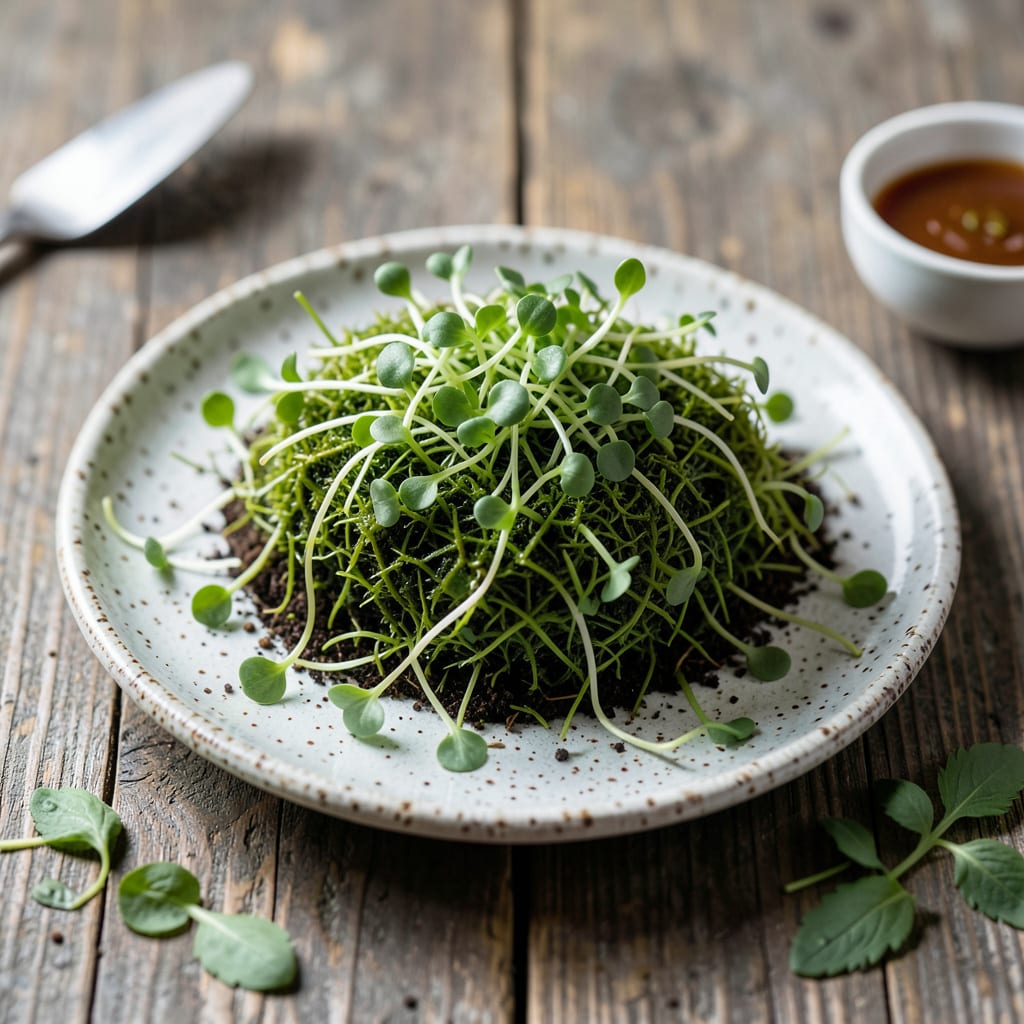
When I laid my new Sod Grass 🌿, I knew fertilizing was crucial for a healthy lawn. But I quickly learned that timing is everything – fertilizing too early can damage the delicate new roots.
So, when should you fertilize? The answer depends on factors like your location in USDA Zone 6 and the type of Sod Grass you have. Let’s explore the best practices for fertilizing your new Sod Grass to ensure it thrives.

I always recommend waiting until your new sod has established itself before fertilizing. This typically takes 4-6 weeks after installation, depending on factors like sod type, climate, and soil conditions 🌿.
During this establishment phase, the sod is developing its root system, and fertilizing too early can cause more harm than good. It’s essential to understand the ideal fertilization timeline to ensure your new lawn thrives.
The ideal time to fertilize new sod varies depending on your location and the type of grass. For most cool-season grasses, early fall is an ideal time to fertilize, as it promotes root growth and helps the lawn recover from summer stress.
For warm-season grasses, late spring to early summer is typically the best time to fertilize, as this coincides with the start of their active growing season.
It’s also crucial to consider the specific needs of your Sod Grass variety. Some types may require more frequent fertilization, while others may be more sensitive to fertilization.
Understanding these factors will help you create a fertilization schedule that supports the healthy development of your new Sod Grass.
Fertilizing at the right time is critical for establishing a strong root system and promoting healthy growth. By following the recommended fertilization timeline and using the right type of fertilizer, you can ensure your new Sod Grass gets the nutrients it needs to thrive.
For most lawns, a balanced fertilizer with an NPK ratio of 10-10-10 is a good starting point. However, it’s always a good idea to consult with a local gardening expert or check your soil test results to determine the best fertilizer for your specific lawn needs.
Regular fertilization, combined with proper watering and mowing practices, will help your new Sod Grass establish a strong root system and promote healthy growth.
By fertilizing your new Sod Grass at the right time and using the right type of fertilizer, you can enjoy a lush, healthy lawn for years to come 🌿.
Fertilizing new sod effectively requires careful consideration of several factors, including the type of fertilizer, application rate, and timing. I recommend using a starter fertilizer with a balanced NPK ratio during the initial fertilization phase 🌿.
The first fertilization typically occurs 4-6 weeks after installation, when the sod has established its root system. It’s essential to choose a fertilizer that meets the specific needs of your Sod Grass variety.
For most lawns, a balanced fertilizer with an NPK ratio of 10-10-10 is a good starting point. However, it’s always a good idea to consult with a local gardening expert or check your soil test results to determine the best fertilizer for your specific lawn needs.
When applying fertilizer, it’s crucial to follow the recommended application rate to avoid over-fertilizing, which can damage your new sod. Typically, you’ll want to apply fertilizer at a rate of 1 lb/1000 sqft.
The best time to fertilize is usually during the early morning or late afternoon when the sun is not too intense. This helps prevent the fertilizer from burning the grass.
In addition to fertilizing, proper watering and mowing practices are essential for maintaining a healthy lawn. Keep the soil consistently moist during the establishment phase, and maintain a regular mowing schedule to promote healthy growth 🌿.
By following these tips and using the right type of fertilizer, you can help your new Sod Grass establish a strong root system and promote healthy growth.
Regular fertilization, combined with proper lawn care practices, will help your new Sod Grass thrive and enjoy a lush, healthy lawn for years to come.
It’s also important to consider the specific needs of your Sod Grass variety and adjust your fertilization schedule accordingly. Some types may require more frequent fertilization, while others may be more sensitive to fertilization.
By understanding these factors and following the recommended fertilization guidelines, you can ensure your new Sod Grass gets the nutrients it needs to thrive and enjoy a beautiful, healthy lawn.
When fertilizing new sod, it’s essential to avoid common mistakes that can damage your lawn. One of the most critical errors is over-fertilizing, which can cause excessive growth, leading to weak and spindly grass 🌱.
Another mistake is fertilizing too early, before the sod has established its root system. This can cause root burn and damage the delicate new roots. I recommend waiting 4-6 weeks after installation before fertilizing.
Avoid using high-nitrogen fertilizers on new sod, as they can promote weak growth and increase the risk of disease. Instead, opt for a balanced fertilizer with an NPK ratio of 10-10-10.
It’s also crucial to follow the recommended application rate to avoid over-fertilizing. Typically, you’ll want to apply fertilizer at a rate of 1 lb/1000 sqft. Be sure to read the label carefully and follow the instructions.
Additionally, be mindful of the type of fertilizer you’re using. Some fertilizers can be too harsh for new sod, so it’s essential to choose a product specifically formulated for new lawns.
By avoiding these common mistakes and following the recommended fertilization guidelines, you can help your new sod establish a strong root system and promote healthy growth 🌱.
It’s best to wait 4-6 weeks after installation before fertilizing your new sod. This allows the sod to establish its root system and reduces the risk of damage from fertilization. Waiting too long can also be detrimental, so it’s essential to find the right balance.
A starter fertilizer with a balanced NPK ratio is recommended for new sod. This type of fertilizer promotes healthy growth and establishment of the sod. Look for a product with an NPK ratio of 10-10-10 for optimal results.
After the initial fertilization, you can fertilize your new sod every 4-6 weeks during the growing season. Be sure to follow the recommended application rate to avoid over-fertilizing, which can damage your lawn. Regular fertilization will help promote healthy growth and establishment.
No, it’s generally recommended to stop fertilizing your new sod during the winter months when the grass is dormant. Fertilizing during this time can promote weak growth and increase the risk of disease. Instead, wait until the growing season begins again in the spring.
