
Beautiful Plants For Your Interior
Beautiful Plants For Your Interior
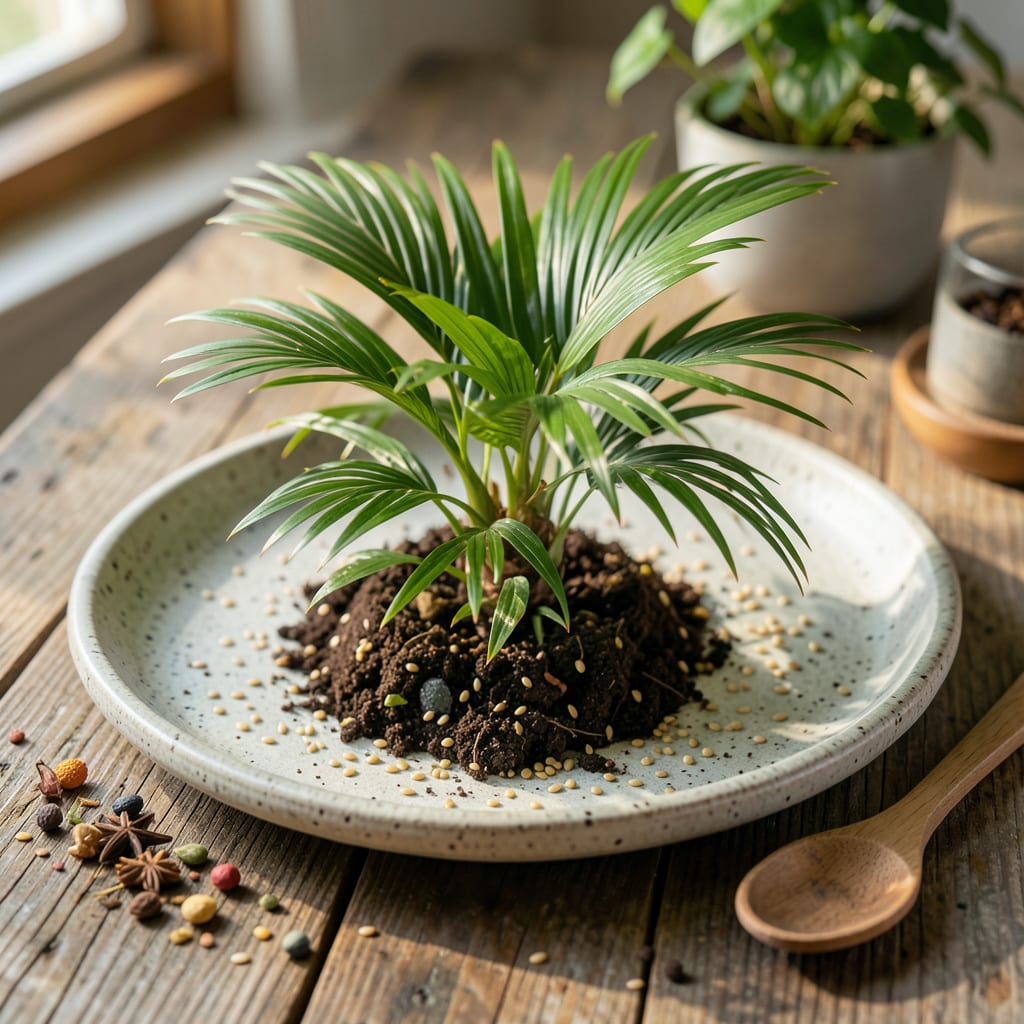
I love watching palm trees 🌴 thrive in Florida’s warm climate, but I’ve learned that proper fertilization timing is crucial for their health. The Sunshine State’s long growing season means we need to fertilize strategically.
Fertilizing palm trees at the right time can make all the difference – and in Florida’s USDA zones 10a/10b/11, that means taking advantage of the year-round growing season. Let’s explore the best fertilization schedule for these beautiful trees.

Understanding when to fertilize palm trees in Florida is crucial for their health and longevity. Florida’s warm climate means palm trees can grow year-round, but they still have specific fertilization needs.
The growing season in Florida typically runs from March through October, with peak growth occurring during the warmest months. During this time, palm trees require more frequent fertilization to support their growth.
Fertilizing palm trees during the growing season (March through October) is critical for maintaining their health and promoting growth. The ideal months for fertilization are March, June, and September, with lighter applications in the intervening months.
For most palm trees in Florida, a slow-release fertilizer with a balanced NPK ratio (such as 8-2-12 or 12-4-12) is recommended. This type of fertilizer provides nutrients to the palm trees over an extended period, promoting healthy growth and development 🌴.
The frequency of fertilization depends on the age and size of the palm tree. Younger palm trees typically require more frequent fertilization than mature trees. It’s essential to follow the specific fertilization schedule recommended for the type of palm tree you have.
In addition to the right fertilizer and frequency, the timing of application is also important. Fertilizing in the early morning is generally recommended, as it allows the tree to absorb the nutrients throughout the day.
Florida’s USDA zones 10a/10b/11 have a long growing season, making it essential to adjust the fertilization schedule accordingly. By fertilizing during the growing season and using the right type of fertilizer, you can help your palm trees thrive in Florida’s climate.
It’s also worth noting that soil conditions can affect the fertilization needs of palm trees. Testing your soil to determine its nutrient content can help you choose the right fertilizer and avoid over-fertilizing.
Over-fertilization can be harmful to palm trees, so it’s crucial to follow the recommended fertilization schedule and application rates. By doing so, you can help maintain the health and beauty of your palm trees for years to come.
Regular monitoring of your palm trees’ health is also essential. Look for signs of nutrient deficiencies, such as yellowing or browning fronds, and adjust your fertilization schedule as needed.
By following these guidelines and understanding the specific needs of your palm trees, you can help them thrive in Florida’s climate. Proper fertilization is just one aspect of palm tree care, but it’s a critical one for maintaining their health and longevity.
Different palm tree species have varying fertilization needs in Florida’s climate. Understanding these specific requirements helps ensure optimal growth and health.
Palm tree types commonly found in Florida include Sabal Palms, Areca Palms, and Canary Island Date Palms. Each type has unique fertilization requirements based on their growth patterns and nutrient needs.
The frequency of fertilization also varies by palm type. For example, younger palms require more frequent fertilization than mature palms. It’s essential to follow the specific fertilization schedule recommended for your palm tree species 🌴.
Soil conditions play a crucial role in determining the fertilization needs of palm trees. Testing your soil can help you choose the right fertilizer and avoid over-fertilizing.
By understanding the specific fertilization needs of your palm tree type, you can help them thrive in Florida’s climate. Regular monitoring of your palm trees’ health is also essential to adjust your fertilization schedule as needed.
Proper fertilization is just one aspect of palm tree care, but it’s a critical one for maintaining their health and longevity. By following these guidelines, you can help your palm trees grow strong and healthy.
For more specific advice on fertilizing your palm trees, consult with a local nursery or gardening expert who can provide personalized guidance based on your tree’s specific needs and your local climate conditions.
Fertilizing palm trees in Florida requires careful consideration to avoid common mistakes that can harm these beautiful plants. One of the most critical errors is over-fertilization, which can cause damage to the tree and the environment 🌴.
Avoid over-fertilizing as it can cause nutrient imbalances and harm your palm trees. Always follow the recommended fertilization schedule and application rates.
Another mistake is fertilizing at the wrong time. In Florida’s climate, it’s essential to fertilize during the growing season (March through October) when palm trees are actively growing. Fertilizing during the winter months can be ineffective and potentially harmful.
Inadequate soil testing is also a common mistake. Testing your soil can help you determine its nutrient content and pH level, allowing you to choose the right fertilizer for your palm trees.
Using the wrong type of fertilizer can also be detrimental. Palm trees require a balanced fertilizer with micronutrients like manganese and magnesium. A slow-release fertilizer with an NPK ratio of 8-2-12 or 12-4-12 is often recommended.
By avoiding these common mistakes and following proper fertilization practices, you can help your palm trees thrive in Florida’s climate. Regular monitoring of your palm trees’ health and adjusting your fertilization schedule as needed is also crucial 🌿.
Fertilize your palm trees every 4-6 weeks during the growing season (March through October). The frequency may vary depending on the age and size of your palm trees. Younger palms typically require more frequent fertilization than mature ones.
A slow-release fertilizer with a balanced NPK ratio (such as 8-2-12 or 12-4-12) is recommended for palm trees in Florida. This type of fertilizer provides nutrients over an extended period, promoting healthy growth and development.
It’s generally recommended to reduce or stop fertilizing palm trees during the winter months (November to February) when they’re not actively growing. Fertilizing during this time can be ineffective and potentially harmful.
Watch for signs of nutrient imbalances, such as yellowing or browning fronds. If you notice these symptoms, stop fertilizing and consider having your soil tested to determine its nutrient content and pH level. Adjust your fertilization schedule accordingly to avoid over-fertilizing.
