
Beautiful Plants For Your Interior
Beautiful Plants For Your Interior
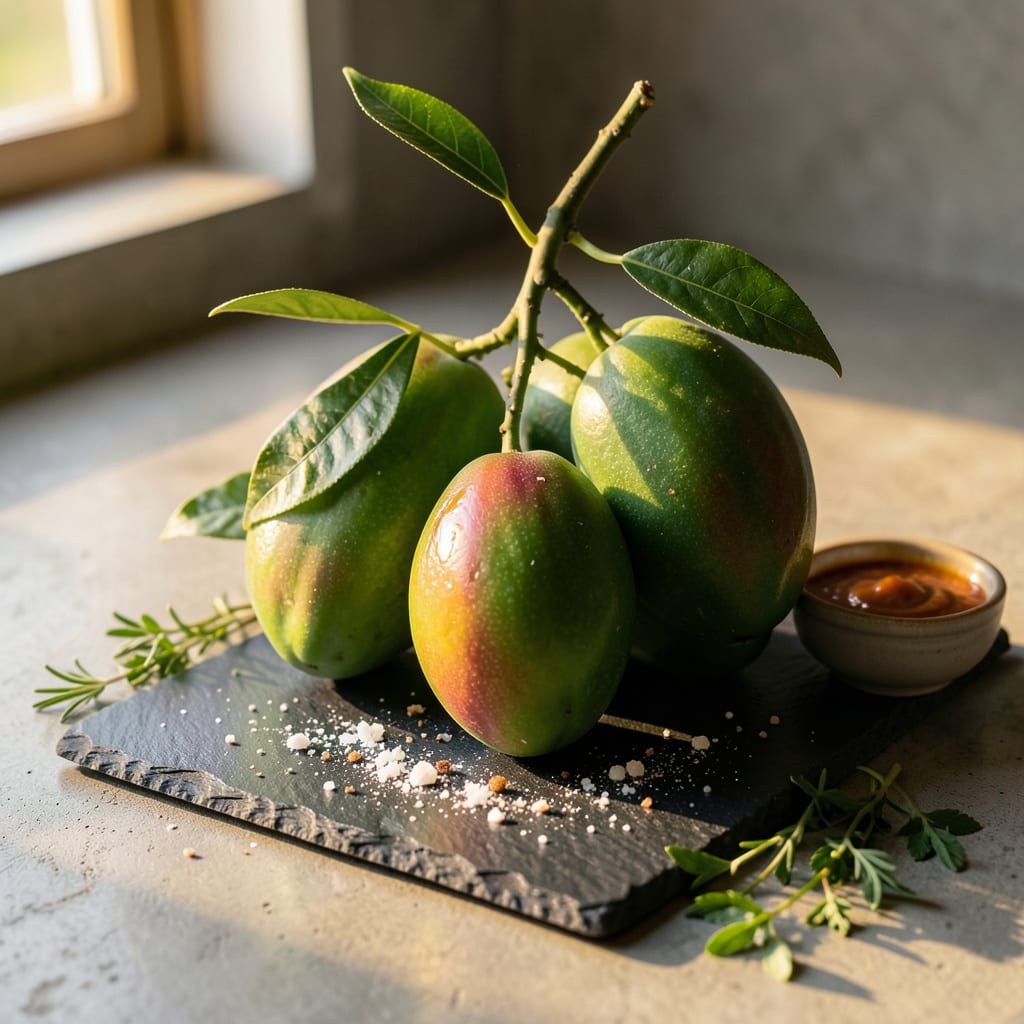
Growing a thriving 🥭 Mango Tree in Florida requires understanding its fertilization needs. The Sunshine State’s subtropical climate means your tree needs nutrients at specific times to maximize yield and health.
I’ll guide you through the best times to fertilize your Mango Tree, considering Florida’s unique growing seasons and your tree’s growth cycle, so you can enjoy a bountiful harvest from June to October.

In Florida’s subtropical climate, mango trees have specific fertilization needs that align with their growth cycle. Understanding these needs is crucial for maximizing yield and maintaining tree health throughout the year 🌴.
I recommend fertilizing your mango trees during their active growing periods to support their nutritional requirements. The key months for fertilization are when the trees are producing new growth and fruit 🥭.
The fertilization schedule for mango trees in Florida is closely tied to their growth cycle. Trees typically experience new growth in the spring, making March and May critical months for fertilization to support fruit development 🌱.
During the summer months, mango trees continue to grow and produce fruit, requiring additional nutrients. A light feed in July helps maintain their health without over-fertilizing 🌻.
In September, another round of fertilization is recommended to help the tree build reserves for the next growing season. This schedule aligns with the tree’s natural growth patterns and Florida’s climate conditions 🍃.
It’s essential to use a balanced fertilizer with an NPK ratio suitable for mango trees. The exact amount of fertilizer to apply depends on factors such as tree age and soil type, but a general guideline is to use 1-2 cups per tree per application 💧.
Fertilizing mango trees at the right times is crucial for their productivity and overall health. By following this schedule, you can ensure your trees receive the necessary nutrients to thrive in Florida’s climate 🌟.
For young mango trees, the fertilization schedule may need to be adjusted based on their age and growth rate. It’s also important to monitor soil conditions and adjust fertilizer applications accordingly 📊.
Regular fertilization, combined with proper watering and care, will help your mango trees produce abundant fruit and remain healthy for years to come 🌳.
In addition to fertilization, maintaining good soil health through practices like mulching and composting can further support your mango trees’ growth and productivity 🌱.
By understanding and implementing the right fertilization schedule, you can enjoy a bountiful harvest of delicious mangoes from your trees in Florida‘s subtropical climate 🥭.
Always consider consulting with local gardening experts or your county extension office for specific advice tailored to your region within Florida 📚.
Creating a fertilization schedule for mango trees in Florida requires understanding the tree’s age, soil type, and regional climate variations 🌴.
I recommend adjusting the fertilization schedule based on the tree’s growth stage and nutritional needs. For young mango trees, more frequent fertilization is necessary to support their rapid growth 🥭.
Fertilize every 2 months during the growing season (March to September) with a balanced fertilizer containing micronutrients 🌻.
Fertilize every 3 months during the growing season (March, May, July, and September) with a balanced fertilizer, adjusting the amount based on soil conditions 📊.
Conduct soil tests annually to determine nutrient deficiencies and adjust the fertilizer formulation accordingly 🌱.
The fertilization schedule should be tailored to the specific needs of your mango trees, taking into account factors such as tree age, soil type, and regional climate variations within Florida 🌟.
For young trees, it’s crucial to provide more frequent fertilization to support their rapid growth and development. As the trees mature, the frequency of fertilization can be adjusted accordingly 🌳.
Regular soil testing is essential to determine the nutrient needs of your mango trees and adjust the fertilizer application accordingly 📊.
By following a well-planned fertilization schedule, you can ensure your mango trees receive the necessary nutrients to thrive in Florida’s climate and produce abundant fruit 🥭.
Consulting with local gardening experts or your county extension office can provide valuable insights and specific advice tailored to your region within Florida 📚.
Fertilizing mango trees in Florida requires careful consideration to avoid common mistakes that can impact tree health and fruit production 🌴.
I recommend being aware of potential pitfalls such as over-fertilization, incorrect timing, and improper fertilizer application to ensure your mango trees thrive 🥭.
Over-fertilizing can damage mango trees. Use the recommended amount and avoid fertilizing during the winter months when trees are dormant ❄️.
Over-fertilization is a common mistake that can lead to salt buildup in the soil, damaging the tree’s roots and reducing fruit production. It’s essential to follow the recommended fertilization schedule and adjust according to the tree’s age and soil conditions 📊.
Incorrect timing of fertilization can also negatively impact mango tree health. Fertilizing during the wrong season can cause unnecessary stress to the tree, so it’s crucial to stick to the recommended schedule 🌟.
Improper fertilizer application methods can lead to uneven nutrient distribution. I recommend spreading the fertilizer evenly around the tree’s drip line to ensure optimal nutrient uptake 🌱.
By avoiding these common fertilization mistakes, you can help your mango trees in Florida receive the necessary nutrients to thrive and produce abundant fruit 🥭.
Regular monitoring of your trees’ health and adjusting your fertilization practices accordingly will help prevent potential issues and ensure a bountiful harvest 🌳.
Fertilize your mango tree every 2-3 months during the growing season (March to September) with a balanced fertilizer. Young trees (1-3 years) need more frequent fertilization, every 2 months.
Use a balanced fertilizer with an NPK ratio suitable for mango trees, such as 10-10-10. The amount depends on tree age and soil type, but typically ranges from 1-2 cups per tree per application.
No, it’s recommended to skip fertilizing during winter months when the tree is dormant. Fertilizing during this time can cause unnecessary stress to the tree.
Watch for signs of over-fertilization, such as salt buildup in the soil, damaged roots, and reduced fruit production. If you notice these symptoms, reduce the frequency or amount of fertilizer and consider a soil test.
