
Beautiful Plants For Your Interior
Beautiful Plants For Your Interior
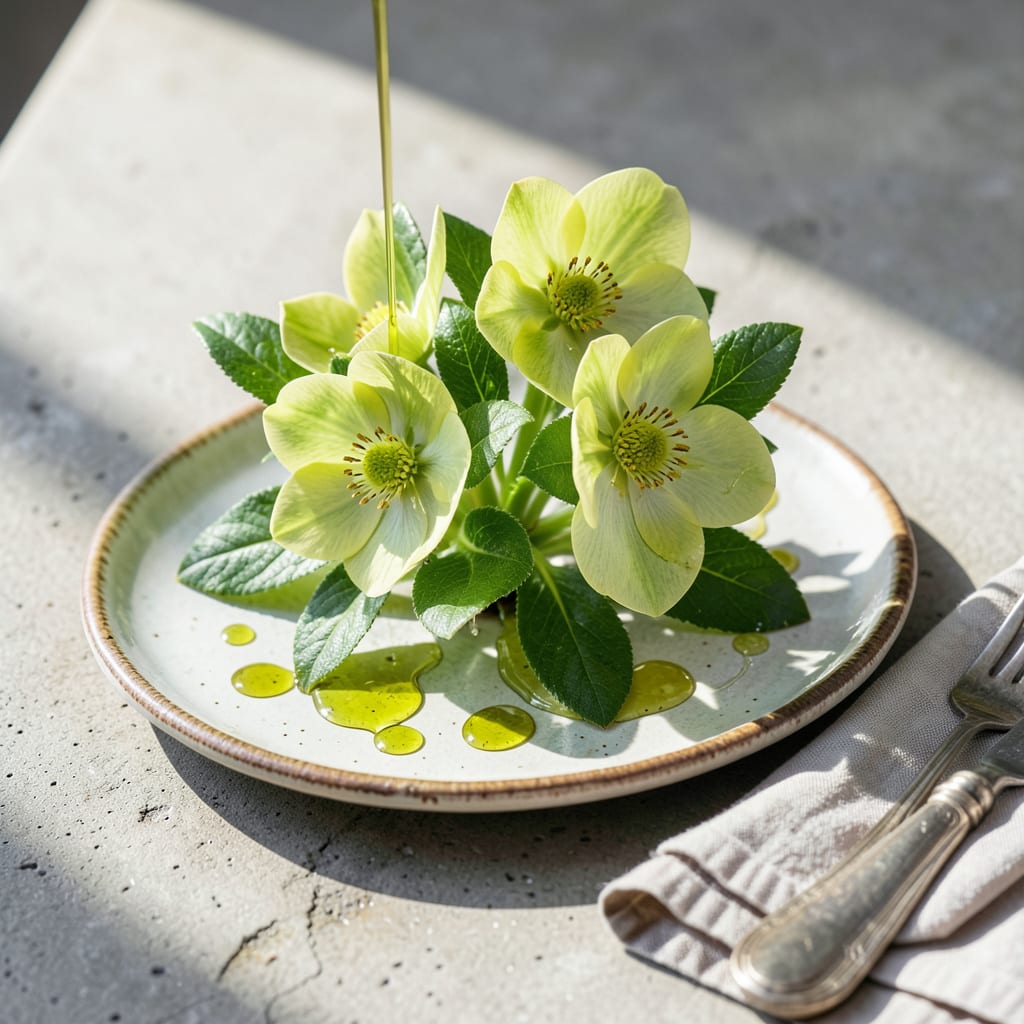
As I tend to my hellebores 💐 in USDA Zone 6, I’ve learned that timing is everything when it comes to fertilization. Fertilizing at the right moment can make all the difference in their growth and flowering.
The best times to fertilize hellebores are in early spring after they’ve finished blooming and again in fall, around September or October. This schedule gives them the nutrients they need to thrive throughout the growing season.

Fertilizing hellebores at the right time is crucial for their growth and flowering. These beautiful winter-blooming plants require careful nutrient management to thrive throughout the year. In my experience, understanding the optimal fertilization schedule can make a significant difference in their health and bloom quality 🌼.
The key to successful hellebore fertilization lies in timing it with their growth cycle. Hellebores typically bloom in late winter to early spring, and their growth patterns dictate when they need nutrients the most. By aligning fertilization with these natural cycles, you can support their development effectively.
Fertilizing hellebores in early spring after they’ve finished blooming provides them with the necessary nutrients to support new growth and foliage development. This timing is critical as it helps the plants recover from bloom and prepare for the rest of the growing season 🌱.
In the fall, around September or October, a light feeding can help hellebores by replenishing soil nutrients that may have been depleted during the growing season. This fall fertilization supports root health and prepares the plants for the next year’s bloom.
It’s essential to avoid fertilizing hellebores during the summer and winter months when they are dormant. Fertilization during these periods can disrupt their natural growth cycle and potentially cause harm to the plants.
For optimal results, use a 10-10-10 balanced fertilizer that provides equal parts nitrogen, phosphorus, and potassium. This type of fertilizer supports overall plant health without over-emphasizing any single nutrient.
When applying fertilizer, follow the recommended dosage instructions to avoid over-fertilization. A general guideline is to use 1 cup of fertilizer per 10 square feet of soil surface.
Over-fertilization can lead to excessive foliage growth at the expense of flower production, so it’s crucial to strike the right balance. Monitoring your hellebores’ response to fertilization and adjusting your approach as needed is key to maintaining their health and promoting vibrant blooms.
By adhering to this seasonal fertilization schedule and using the appropriate type and amount of fertilizer, you can enjoy healthy, thriving hellebores with beautiful blooms year after year 🌸.
Remember, the goal of fertilizing hellebores is to support their natural growth cycle and enhance their flowering potential. With careful timing and the right fertilization strategy, you can maximize the beauty and health of these wonderful plants.
In summary, fertilizing hellebores twice a year, in early spring after blooming and in fall, with a balanced fertilizer, is the best approach to ensure they receive the nutrients they need to thrive.
Fertilizing hellebores properly is crucial for achieving maximum bloom and maintaining their overall health. I’ve found that following a step-by-step fertilization guide helps ensure these beautiful plants receive the nutrients they need to thrive 🌼.
The first step in fertilizing hellebores is to choose the right type of fertilizer. A balanced fertilizer with an NPK ratio of 10-10-10 is ideal, as it provides equal parts nitrogen, phosphorus, and potassium. This balanced approach supports overall plant health without over-emphasizing any single nutrient.
Before applying fertilizer, ensure the soil is well-draining and rich in organic matter. If necessary, amend the soil with compost or well-rotted manure to improve its fertility and structure.
Apply the balanced fertilizer at the recommended rate of 1 cup per 10 square feet of soil surface. Sprinkle the fertilizer evenly around the base of the plants, avoiding direct contact with the foliage.
After applying the fertilizer, water the hellebores thoroughly to help the nutrients penetrate the soil and reach the roots. This step is crucial for ensuring the fertilizer is effective.
By following these steps and using the right type and amount of fertilizer, you can support the health and flowering potential of your hellebores.
Monitoring your hellebores’ response to fertilization and adjusting your approach as needed is key to maintaining their health. With careful attention and the right fertilization strategy, you can enjoy vibrant blooms year after year.
In my experience, the key to successful hellebore fertilization is understanding their growth cycle and aligning fertilization with their nutrient needs. By doing so, you can create an optimal environment for these beautiful plants to flourish.
Fertilizing hellebores is not just about providing nutrients; it’s about supporting their natural growth cycle and enhancing their beauty. With the right approach, you can enjoy the rewards of healthy, thriving hellebores in your garden.
Fertilizing hellebores requires careful consideration to avoid common mistakes that can harm these beautiful plants. I’ve learned that understanding what not to do is just as important as knowing the right fertilization techniques 🌼.
One of the most significant errors gardeners make is over-fertilizing hellebores. These plants don’t require a lot of nutrients, and excessive fertilization can lead to weak growth and reduced flowering. It’s essential to follow the recommended dosage and avoid applying fertilizer too frequently.
Avoid fertilizing hellebores during their dormancy periods in summer and winter, as this can disrupt their natural growth cycle and cause harm.
Another mistake to avoid is using the wrong type of fertilizer. Hellebores benefit from a balanced fertilizer with an NPK ratio of 10-10-10. Using a fertilizer that’s too high in nitrogen can promote leaf growth at the expense of flowers, while a fertilizer lacking essential micronutrients may not support overall plant health.
Timing is also critical when fertilizing hellebores. Fertilizing at the wrong time can be ineffective or even harmful. For example, fertilizing in the summer or winter when the plants are dormant can cause unnecessary stress.
To ensure you’re fertilizing your hellebores correctly, it’s crucial to monitor their response to fertilization. If you notice any signs of stress or nutrient deficiency, adjust your fertilization strategy accordingly. This might involve changing the type of fertilizer, the frequency of application, or the amount used 🌱.
By avoiding these common fertilization mistakes, you can help your hellebores thrive and enjoy their beautiful blooms for years to come.
Fertilize your hellebores twice a year: once in early spring after they finish blooming and again in fall, around September or October. This schedule provides them with the necessary nutrients to thrive throughout the growing season.
A balanced fertilizer with an NPK ratio of 10-10-10 is ideal for hellebores. This type of fertilizer provides equal parts nitrogen, phosphorus, and potassium, supporting overall plant health without over-emphasizing any single nutrient.
No, it’s best to fertilize hellebores after they’ve finished blooming in early spring. Fertilizing during the blooming period can be unnecessary and may cause stress to the plants. Wait until the flowers have faded before applying fertilizer.
A general guideline is to use 1 cup of fertilizer per 10 square feet of soil surface. Be sure to follow the recommended dosage instructions on the fertilizer package to avoid over-fertilization.
