
Beautiful Plants For Your Interior
Beautiful Plants For Your Interior
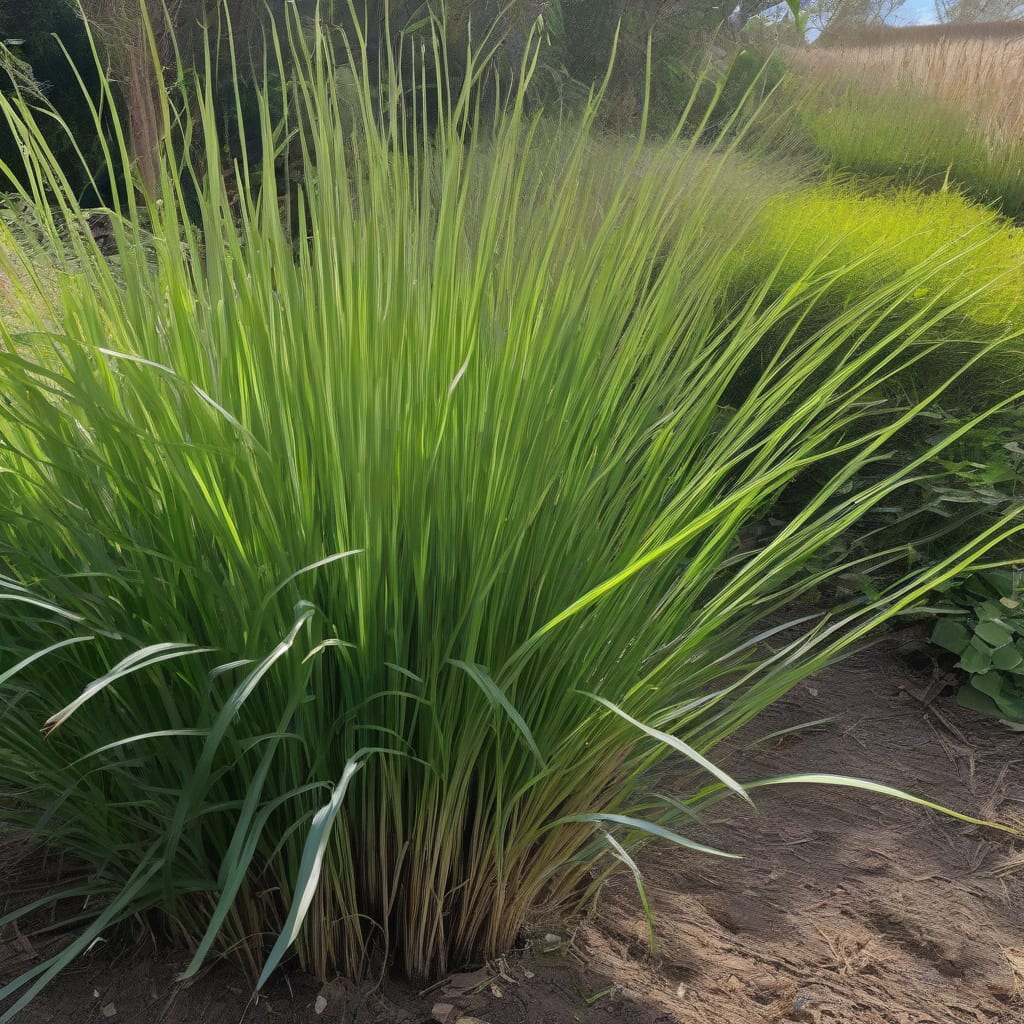
I’ve always been fascinated by how tall lemongrass 🌿 can grow – it’s amazing to see it reach heights that make it look like a tropical grass. In ideal conditions, lemongrass can grow anywhere from 3 to 6 feet tall.
Growing in USDA zone 9b, where I live, lemongrass thrives during the spring months. With proper care, you can enjoy a bountiful harvest of this versatile plant. Let’s explore what affects its height and how to manage it in your garden.


I’ve found that understanding lemongrass growth habits is crucial for gardeners who want to cultivate this versatile plant successfully. Lemongrass is known for its impressive height, which can range from 3 to 6 feet under optimal conditions.
The height of lemongrass plants can vary significantly based on factors such as climate, soil quality, and care practices. In ideal environments, lemongrass can grow quite tall, making it a striking addition to any garden 🌿.
Lemongrass is a tropical grass that thrives in warm climates with plenty of sunlight. Its height is influenced by factors such as soil quality, watering practices, and fertilizer options. Proper care can help achieve the maximum height potential.
One of the key factors affecting lemongrass height is climate. Lemongrass prefers warm, tropical environments and can struggle in cooler temperatures. In USDA zone 9b, where I live, lemongrass grows vigorously during the spring and summer months.
In addition to climate, soil quality plays a significant role in determining lemongrass height. The plant prefers well-draining soil that is rich in nutrients. Regular fertilization can help promote healthy growth and maximize height.
Watering practices are also crucial for lemongrass growth. The plant requires consistent moisture, especially during the growing season. However, overwatering can lead to root rot and negatively impact height.
To manage lemongrass height effectively, gardeners can employ several strategies. Regular pruning and harvesting can help control the plant’s size while encouraging new growth. By understanding the factors that influence lemongrass height, gardeners can optimize their care practices for better results 🌿.
Overall, lemongrass is a versatile and rewarding plant to grow. With the right conditions and care, it can reach impressive heights and provide a bountiful harvest for culinary and medicinal uses.
In my experience, maintaining a consistent care routine is key to achieving optimal lemongrass growth. By providing the right environment and care, gardeners can enjoy a thriving lemongrass plant that reaches its full height potential.
For gardeners looking to maximize their lemongrass height, it’s essential to be patient and attentive to the plant’s needs. With proper care and attention, lemongrass can become a valuable and productive addition to any garden.
By following these guidelines and understanding the growth habits of lemongrass, gardeners can successfully cultivate this versatile plant and enjoy its many benefits for years to come.
I’ve found that several factors can significantly impact how tall lemongrass grows. Understanding these elements is crucial for gardeners who want to optimize their lemongrass cultivation.
The height of lemongrass is influenced by a combination of environmental conditions and care practices. By adjusting these factors, gardeners can encourage their lemongrass to reach its full potential.
Lemongrass height can be influenced by factors such as climate, soil quality, and watering practices. By understanding these factors, gardeners can better manage their lemongrass growth.
Climate plays a significant role in determining lemongrass height. Lemongrass thrives in warm, tropical environments and can struggle in cooler temperatures. In regions with mild winters, lemongrass can grow year-round, while in areas with frost, it may need to be protected or grown in containers that can be moved indoors.
Soil quality is another critical factor affecting lemongrass height. The plant prefers well-draining soil that is rich in nutrients. Gardeners can improve soil quality by adding organic matter such as compost or manure.
Watering practices also impact lemongrass growth. Lemongrass requires consistent moisture, especially during the growing season. However, overwatering can lead to root rot and negatively affect the plant’s height.
In addition to these factors, fertilization can also influence lemongrass height. Using a balanced fertilizer during the growing season can promote healthy growth and maximize height.
By understanding and managing these factors, gardeners can create optimal conditions for their lemongrass to grow tall and healthy. Regular monitoring and adjustments to care practices can help achieve the best results 🌿.
For gardeners looking to maximize their lemongrass height, it’s essential to be patient and attentive to the plant’s needs. With proper care and attention, lemongrass can become a valuable and productive addition to any garden.
I manage lemongrass height through regular maintenance to ensure optimal growth and prevent overcrowding. Proper height management is crucial for maintaining plant health and maximizing harvest yields.
Lemongrass can grow quite tall, reaching heights of 3 to 6 feet. Regular pruning helps control its size while encouraging new growth. Let’s explore some practical tips for managing lemongrass height effectively 🌿.
Trim lemongrass stalks to about 2-3 inches from the ground after harvesting to encourage new growth and prevent the plant from becoming too tall.
Harvest lemongrass regularly by cutting the stalks at the base. This not only helps manage height but also promotes healthy regrowth.
Divide overgrown clumps to maintain manageable height and improve air circulation around the plants.
By following these steps, you can effectively manage the height of your lemongrass plants, ensuring they remain healthy and productive. Regular maintenance is key to achieving optimal growth and maximizing your harvest.
For best results, I recommend checking your lemongrass plants regularly and adjusting your care routine as needed. With proper management, lemongrass can be a valuable addition to any garden or culinary space 🌱.
Effective height management also involves understanding the growth patterns of lemongrass. By being proactive with pruning and harvesting, you can keep your plants at a desirable height while enjoying their many benefits.
In my experience, maintaining a consistent care routine is essential for managing lemongrass height. Regular pruning and harvesting not only control the plant’s size but also encourage vigorous new growth.
