
Beautiful Plants For Your Interior
Beautiful Plants For Your Interior
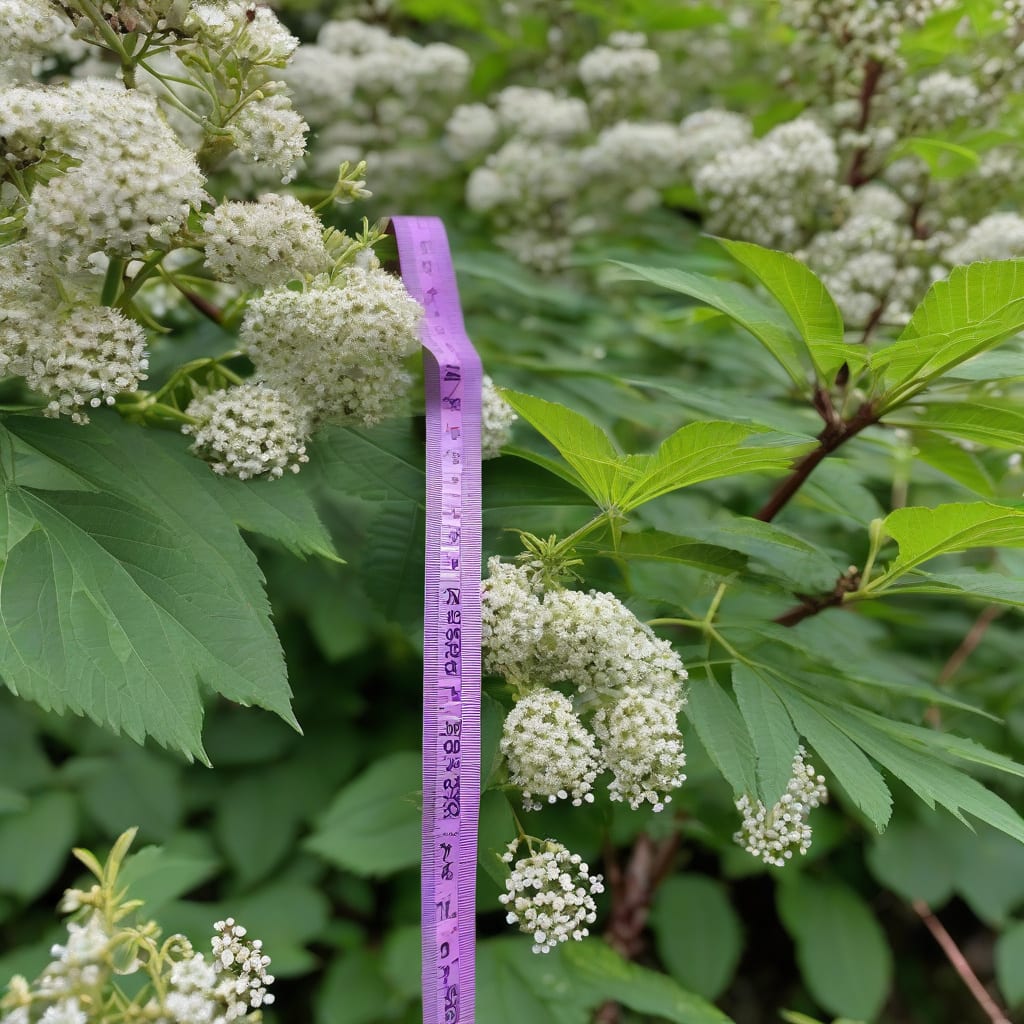
When growing elderberry 🌿, understanding its potential height is crucial for effective garden planning. These versatile shrubs can add both beauty and functionality to your landscape, but their growth patterns need to be considered.
Elderberry plants typically grow between 6-12 feet tall, with some varieties reaching even greater heights. Factors like soil quality, sunlight, and pruning practices all play a role in determining the mature height of your elderberry plants.

Understanding the factors that influence elderberry plant height is crucial for gardeners who want to maximize their plant’s growth potential. Several key elements can affect how tall your elderberry will grow 🌿.
The soil quality plays a significant role in determining the height of your elderberry plant. Elderberries prefer rich, well-draining soil with a pH between 5.5 and 6.5. Soil that is too dense or too sandy can impact the plant’s ability to absorb necessary nutrients, thereby affecting its growth.
Sunlight is another critical factor that influences elderberry height. Elderberries thrive in full sun to partial shade, with at least 6 hours of direct sunlight per day being ideal for maximum growth. While they can tolerate some shade, reduced sunlight can result in leggy growth as the plant reaches for more light.
Watering practices also impact elderberry height. These plants prefer consistently moist soil, especially during their first year of growth. Adequate water supply supports healthy development and can influence the plant’s overall height.
Pruning is a crucial factor in managing elderberry height. Regular pruning not only helps control the plant’s size but also encourages a bushier growth habit. Prune in late winter or early spring, removing dead or damaged branches and shaping the plant as desired 🌿.
By understanding and managing these factors, gardeners can optimize the growth of their elderberry plants and achieve the desired height 🌼.
Different varieties of elderberry also have inherent growth habits that can affect their height. Some cultivars are bred to be more compact, while others may grow quite tall. Choosing the right variety for your garden’s needs is essential.
The climate and growing conditions in your area will also impact how tall your elderberry plants can grow. Elderberries are hardy in USDA zones 4-8, and they perform best in regions with adequate moisture and suitable temperatures.
In summary, the height of elderberry plants is influenced by a combination of factors including soil quality, sunlight, watering practices, pruning, variety, and climate. By optimizing these elements, gardeners can promote healthy growth and achieve their desired plant height 🌿.
Elderberry plants come in various species and cultivars, each with its unique growth characteristics 🌿. Understanding the average and maximum height of different elderberry varieties is essential for garden planning and management.
The American elderberry (Sambucus canadensis) typically grows between 6-12 feet tall, with some varieties reaching heights of up to 15 feet in ideal conditions. This native North American species is known for its vigorous growth and can form dense thickets 🌼.
The European elderberry (Sambucus nigra) tends to grow taller, typically reaching heights of 10-15 feet, with some specimens growing up to 20 feet in optimal conditions. This species is often used for its fruit and flowers in culinary and medicinal applications 🌼.
Dwarf elderberry varieties are bred for their compact growth, usually reaching heights of 4-6 feet. These are ideal for smaller gardens or container growing, offering a more manageable size while still providing the benefits of elderberry 🌿.
When selecting an elderberry variety, it’s crucial to consider the mature size of the plant to ensure it fits within your garden space. Proper spacing and placement can help maintain the health and appearance of your elderberry plants 🌼.
Gardeners should also be aware that growing conditions can significantly impact the actual height achieved by their elderberry plants. Factors such as soil quality, sunlight exposure, and watering practices all play a role in determining the final height of the plant 🌿.
By understanding the growth potential of different elderberry varieties, gardeners can make informed decisions about which types to plant and how to manage them effectively in their garden 🌼.
Managing elderberry height is crucial for maintaining a healthy and productive garden 🌿. By understanding how to control the height of your elderberry plants, you can ensure they fit well within your garden space and continue to thrive.
Prune your elderberry plants annually to maintain their shape and promote healthy growth. Remove dead or damaged branches, and cut back tall stems to encourage bushier growth 🌼.
Pruning techniques play a significant role in managing elderberry height. Prune your plants in late winter or early spring, removing any dead or damaged wood. This not only helps control the plant’s size but also encourages new growth and improves overall health 🌿.
Growing conditions also impact elderberry height. Ensure your plants receive adequate sunlight and are grown in well-draining soil. Consistent moisture, especially during the first year, supports vigorous growth and can help achieve the desired height 🌼.
By combining proper pruning practices with optimal growing conditions, you can effectively manage the height of your elderberry plants and enjoy their many benefits 🌿.
Regular maintenance is key to keeping your elderberry plants at the desired height. This includes monitoring for signs of disease or pests and addressing any issues promptly 🌼.
In summary, managing elderberry height involves a combination of proper pruning techniques and optimal growing conditions. By following these tips, you can ensure your elderberry plants remain healthy and productive 🌿.
