
Beautiful Plants For Your Interior
Beautiful Plants For Your Interior
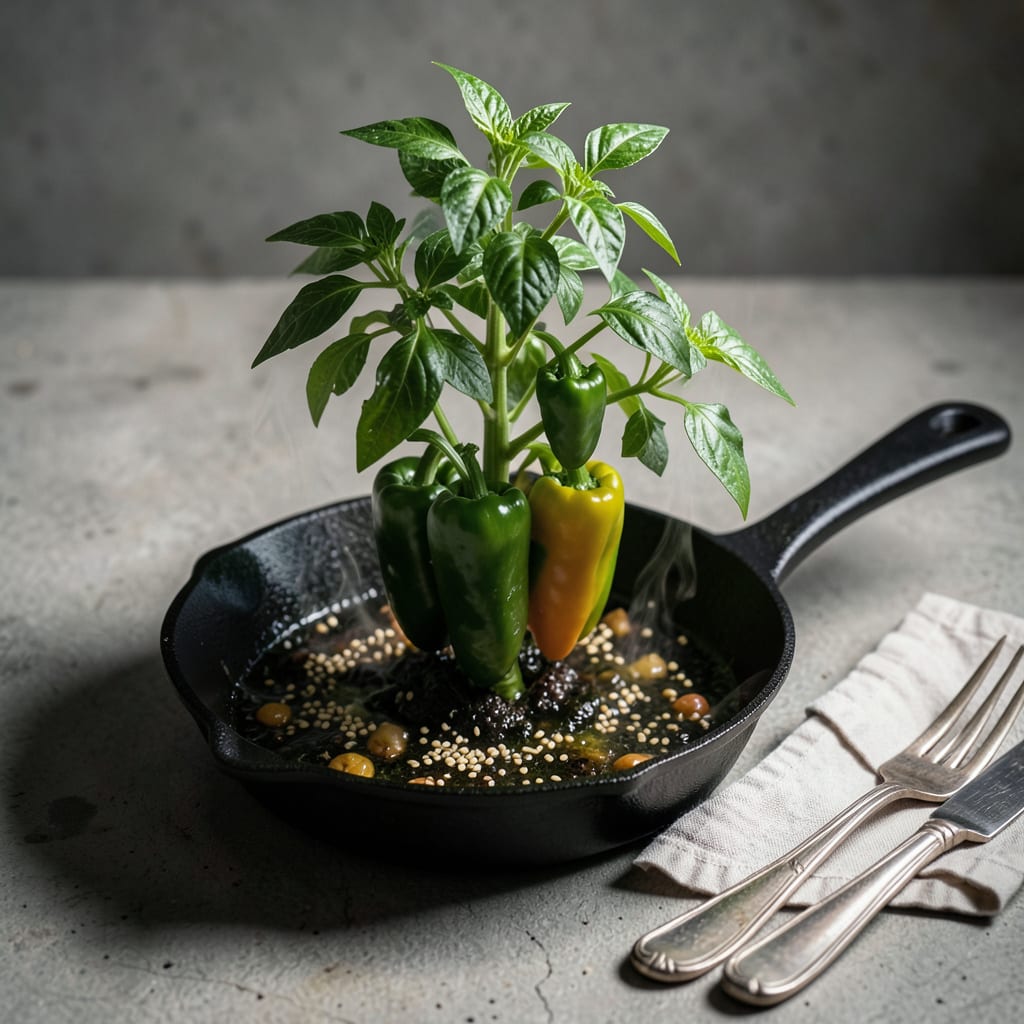
When growing Pepper plants 🌶️, understanding their potential height is crucial for maximizing garden space and yield. The height of these plants can vary significantly based on factors like variety and growing conditions.
In USDA Zone 6, you can expect Pepper plants to grow between 2-4 feet tall. Knowing this helps you plan your garden layout and provides the necessary support for optimal growth and pepper production.

2-3 ft

3-4 ft

2-4 ft

2-4 ft
Pepper plant height is influenced by multiple factors that gardeners can control or optimize. Understanding these factors helps in planning the garden layout and providing the necessary care for optimal growth.
The primary factors affecting pepper plant height include the variety of pepper, growing conditions, and care practices. Different pepper varieties have inherent growth habits that determine their potential height.
The variety of pepper plant is a significant determinant of its height. Some pepper varieties are bred to be compact and bushy, while others can grow quite tall. For example, dwarf pepper varieties typically grow between 1-2 feet tall, making them ideal for container gardening or small spaces.
Growing conditions also play a crucial role in determining the height of pepper plants. Adequate sunlight is essential, as pepper plants require full sun to thrive. The quality of the soil, including its nutrient content and drainage, affects plant growth. Proper watering practices ensure that the plants receive consistent moisture without being overwatered.
Care practices such as pruning and staking can also influence the height of pepper plants. Pruning can help control the height and encourage bushier growth, while staking provides support for taller varieties, preventing them from becoming too leggy or damaged by wind or their own weight.
In addition to these factors, fertilization practices impact pepper plant height. Using a balanced fertilizer (e.g., 10-10-10 NPK) at the right time supports healthy growth. Fertilizing every 4-6 weeks during the growing season can promote vigorous growth and optimal pepper production.
Pepper plants generally require consistent moisture to grow well. Watering them every 3-5 days, depending on weather conditions, helps maintain the right moisture levels. It’s also important to water them in the morning to minimize evaporation and reduce the risk of fungal diseases.
Overall, understanding and managing the factors that affect pepper plant height can help gardeners achieve better yields and make the most of their garden space. By selecting the right variety and providing appropriate care, gardeners can enjoy a bountiful harvest of delicious peppers 🌶️.
For most gardeners, managing pepper plant height is about finding the right balance between allowing the plants to grow naturally and providing support when necessary. This balance ensures that the plants remain healthy and productive throughout the growing season.
By considering the factors that influence pepper plant height and implementing appropriate care practices, gardeners can optimize their pepper crop’s growth and productivity. This approach not only enhances the garden’s aesthetic appeal but also maximizes the harvest.
In conclusion, the height of pepper plants is influenced by a combination of factors including variety, growing conditions, and care practices. By understanding and managing these factors, gardeners can achieve optimal growth and enjoy a successful harvest.
Pepper plants come in a wide range of varieties, each with its own growth characteristics. Understanding the average height of different pepper varieties helps gardeners plan their garden layout and choose the right plants for their space.
The height of pepper plants can vary significantly based on the variety. Some pepper plants are naturally compact and bushy, while others can grow quite tall.
The average height of pepper plants varies significantly across different varieties. Dwarf pepper varieties are bred to be compact and typically grow between 1-2 feet tall. These are ideal for container gardening or small spaces.
Bell peppers and jalapeño peppers usually grow to be around 2-3 feet tall. They have a bushy growth habit and can be supported with cages or stakes if necessary.
Habanero peppers and other hot pepper varieties can grow taller, often reaching heights of 3-4 feet. They tend to have an upright growth habit and may require staking to prevent them from toppling over.
Understanding the average height of different pepper varieties helps gardeners plan their garden layout more effectively. By choosing varieties that fit their available space, gardeners can ensure optimal growth and pepper production.
For gardeners with limited space, compact or dwarf varieties are excellent choices. These plants are not only space-efficient but also produce a bountiful harvest of delicious peppers 🌶️.
In contrast, gardeners with more space can opt for taller varieties, providing the necessary support to keep the plants upright and healthy.
By selecting the right pepper variety for their garden, gardeners can enjoy a successful harvest and make the most of their garden space.
Managing pepper plant height is crucial for maximizing garden space and ensuring healthy plant growth. By implementing proper techniques, gardeners can control the height of their pepper plants and improve overall yield.
Pruning pepper plants helps control their height and encourages bushier growth. Remove the top sets of leaves to promote branching.
Supporting taller pepper varieties with stakes or cages prevents them from becoming too leggy or damaged by wind.
Using a balanced fertilizer (e.g., 10-10-10 NPK) every 4-6 weeks supports healthy growth without over-promoting vegetative growth.
By following these tips, gardeners can effectively manage the height of their pepper plants, ensuring they remain healthy and productive throughout the growing season 🌶️.
Regular pruning and appropriate support are key to maintaining the desired height and promoting a bountiful harvest.
Implementing these strategies not only enhances the garden’s aesthetic appeal but also maximizes pepper production, providing gardeners with a successful and rewarding growing experience.
