
Beautiful Plants For Your Interior
Beautiful Plants For Your Interior
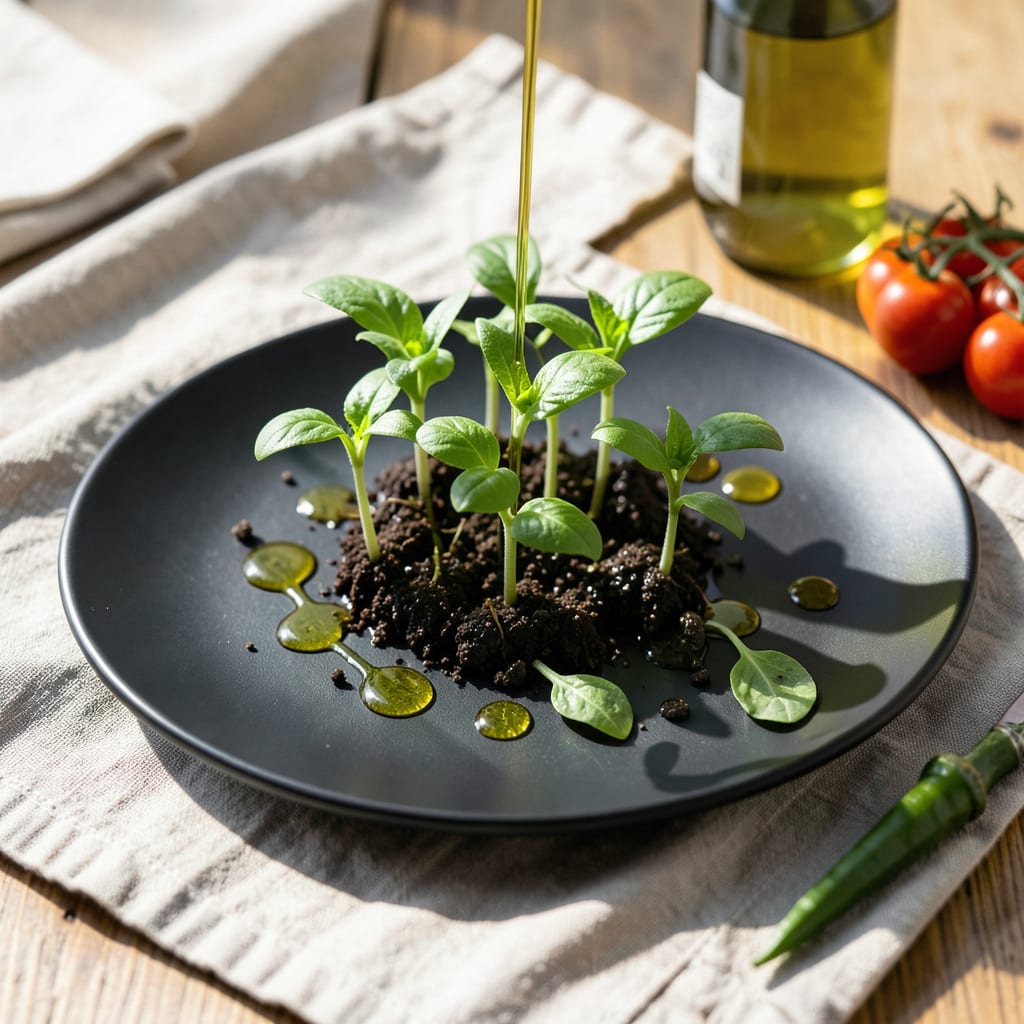
Giving your 🌱 Seedling the right nutrients at the right time is crucial for healthy growth. In USDA Zone 6, where spring arrives between March and May, timing your fertilization can make all the difference in your gardening success.
So, when should you fertilize your Seedling? Understanding the optimal time to start and how to choose the right fertilizer is key. I’ll guide you through the process to ensure your Seedling gets the best start in its growing season.

Fertilizing seedlings is a critical step in their development, as it provides them with the necessary nutrients for healthy growth. However, timing is everything – fertilizing too early or too late can have negative consequences. 🌱
I always recommend waiting until seedlings have developed their first true leaves, which usually occurs 1-2 weeks after germination. At this stage, they’re ready to start receiving supplemental nutrients to support their growth. But how do you know when exactly to start fertilizing? 🔍
The key is to start with a weak fertilizer solution and gradually increase the strength as the seedlings grow. This approach helps prevent fertilizer burn and ensures the seedlings receive the nutrients they need. 💪
It’s also essential to consider the type of fertilizer you’re using. Balanced fertilizers with a ratio of 10-10-10 (nitrogen-phosphorus-potassium) are suitable for most seedlings. However, some seedlings may require specialized fertilizers depending on their specific needs. 📚
When fertilizing seedlings, it’s crucial to avoid over-fertilization, which can cause more harm than good. Start with a dilute solution and monitor your seedlings’ response before adjusting the fertilizer strength. 👀
Soil quality also plays a significant role in seedling nutrition. Ensure your soil has good drainage and aeration to promote healthy root growth. 🌿
In USDA Zone 6, where the last frost date is typically around April 15, you can start fertilizing seedlings in late March to early May, depending on the specific growing conditions. 📆
To summarize, fertilizing seedlings requires careful consideration of their growth stage, fertilizer type, and soil quality. By following these guidelines, you can give your seedlings the best start for healthy growth and future productivity. 🌟
For more specific advice on fertilizing seedlings, consider consulting with a local gardening expert or extension service. They can provide personalized guidance based on your specific climate and soil conditions. 📞
By understanding when and how to fertilize your seedlings, you can set them up for success and enjoy a bountiful harvest. Happy gardening! 🌼
When it comes to fertilizing seedlings, choosing the right type of fertilizer is just as important as timing. Different seedlings have different nutritional needs, and using the wrong fertilizer can do more harm than good. 🌱
I always recommend starting with a balanced fertilizer that contains equal parts nitrogen, phosphorus, and potassium (NPK). This type of fertilizer provides seedlings with the necessary nutrients for healthy growth and development. But what are the differences between various fertilizer types? 🤔
Organic fertilizers, such as compost or fish emulsion, are a great option for seedlings because they release nutrients slowly and promote healthy soil biota. On the other hand, synthetic fertilizers can provide quick results but require careful application to avoid over-fertilization. 🌟
When reading fertilizer labels, look for the NPK ratio to ensure it matches your seedlings’ needs. A balanced fertilizer with a ratio of 10-10-10 is generally safe for most seedlings. However, some seedlings may require more specialized fertilizers, such as those with higher phosphorus content for root development. 📚
It’s also essential to consider the application method when choosing a fertilizer. Some fertilizers are designed for foliar application, while others are meant to be applied to the soil. Always follow the manufacturer’s instructions for application rates and timing. 📝
In my experience, it’s better to err on the side of caution when fertilizing seedlings. Start with a dilute solution and gradually increase the strength as needed. This approach helps prevent fertilizer burn and ensures your seedlings receive the nutrients they need. 💪
By choosing the right fertilizer and following proper application guidelines, you can give your seedlings the best start for healthy growth and future productivity. Happy gardening! 🌼
Fertilizing seedlings requires careful consideration to promote healthy growth. I recommend starting with a diluted fertilizer solution to avoid burning the roots. This approach helps ensure the seedlings receive the necessary nutrients without causing damage 🌱.
Always water seedlings before applying fertilizer to prevent root damage. Use a fertilizer specifically formulated for seedlings to ensure they receive the right balance of nutrients.
When applying fertilizer, it’s essential to follow the manufacturer’s instructions for the recommended application rate. Over-fertilization can be detrimental to seedlings, causing more harm than good 📚.
Monitoring seedling response to fertilization is crucial. Keep an eye out for signs of nutrient deficiency or excess, such as yellowing leaves or burned roots. Adjust the fertilizer application accordingly to ensure optimal growth 👀.
In addition to fertilization, maintaining good soil quality is vital for healthy seedling growth. Ensure the soil has good drainage and aeration to promote root development 🌿.
By following these best practices and tips, you can give your seedlings the best start for healthy growth and future productivity. Happy gardening! 🌼
Wait until your seedlings have developed their first true leaves, usually 1-2 weeks after germination. Start with a diluted fertilizer to avoid burning the roots. This timing helps ensure they’re getting the nutrients they need without causing damage.
A balanced fertilizer with an NPK ratio of 10-10-10 is generally safe for most seedlings. You can choose between organic options like compost or fish emulsion, or synthetic fertilizers, but be cautious with the latter to avoid over-fertilization.
Fertilize your seedlings every 4-6 weeks during the growing season. Start with a dilute solution and gradually increase the strength as the seedlings grow. Monitor their response and adjust accordingly.
No, it’s best to use a fertilizer specifically formulated for seedlings. These products are designed to provide the right balance of nutrients for young plants. Regular garden fertilizers can be too strong and may cause damage.
