
Beautiful Plants For Your Interior
Beautiful Plants For Your Interior
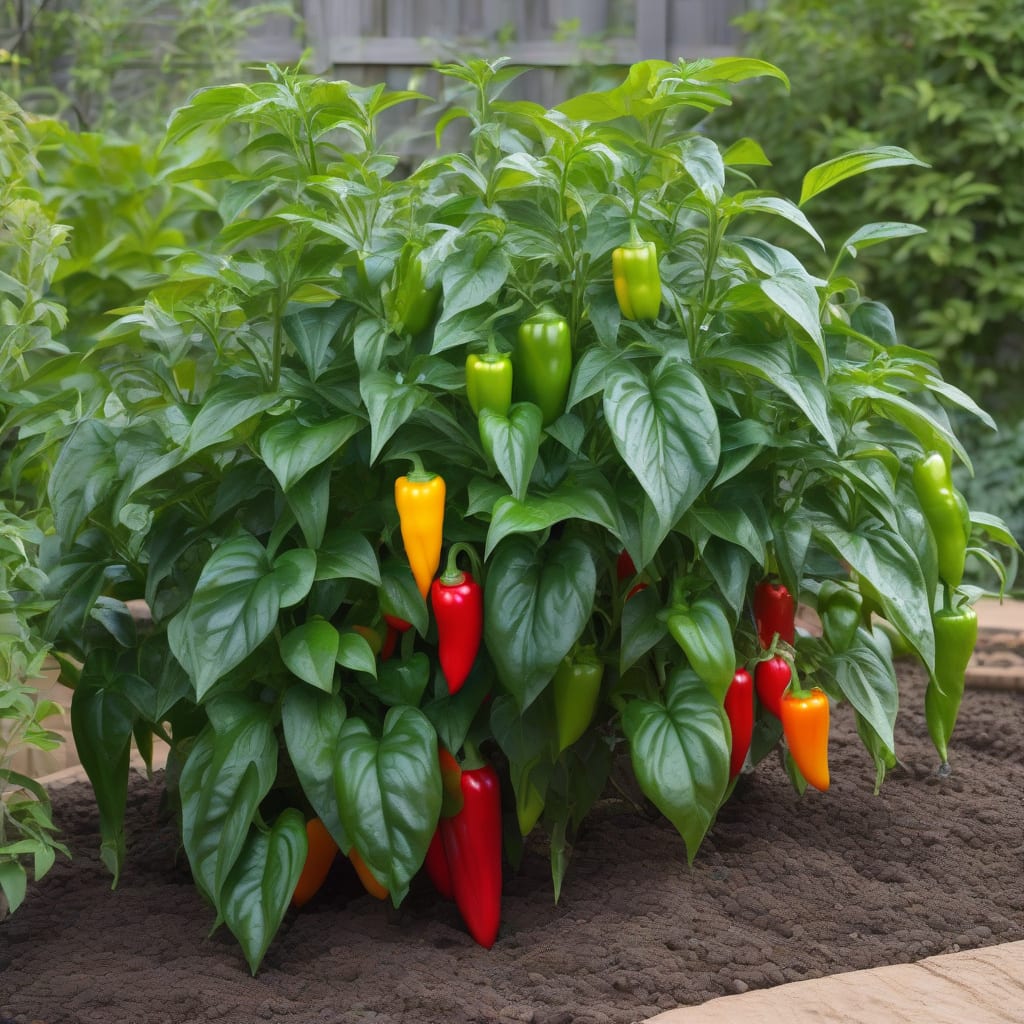
When growing 🌶️ Sweet Pepper plants, understanding their height potential is crucial for maximizing garden space. These plants can grow between 2-4 feet tall, depending on the variety and growing conditions.
To make the most of your garden, it’s essential to know how to support and train your Sweet Pepper plants to reach their full height potential. Let’s explore the factors that influence their growth and how to optimize their development.

Sweet pepper plants can grow to varying heights depending on several key factors. Understanding these factors is crucial for gardeners who want to maximize their yield and make the most of their garden space. The height of sweet pepper plants is influenced by genetics, growing conditions, and cultivation practices.
The variety of sweet pepper is a primary determinant of its potential height. Some varieties are naturally more compact, growing to around 2 feet, while others can reach heights of 3-4 feet. For example, dwarf varieties like ‘Thai Hot’ tend to be more compact, whereas larger varieties like ‘California Wonder’ can grow taller 🌿.
Growing conditions significantly impact the height of sweet pepper plants. Adequate sunlight is crucial, as sweet peppers require at least 6 hours of direct sunlight per day to grow well. Soil quality is another important factor; well-draining, fertile soil with a pH between 6.0 and 6.8 promotes healthy growth. Temperature also plays a role, as sweet peppers thrive in warm temperatures between 65°F and 85°F 🌞.
Cultivation practices such as pruning and supporting the plants can also affect their height. Pruning can you encourage bushier growth and potentially control the height of the plants. Supporting the plants with stakes or cages can also help manage their height and promote better fruiting 🌿.
The specific growing conditions and how well the cultivation practices are implemented can significantly affect the final height of sweet pepper plants. By understanding and optimizing these factors, gardeners can better manage the height of their sweet pepper plants and enjoy a more bountiful harvest 🌼.
In summary, the height of sweet pepper plants is influenced by a combination of genetic, environmental, and cultural factors. By selecting the right variety and optimizing growing conditions and cultivation practices, gardeners can achieve healthy, productive plants that reach their full potential 🌱.
For more detailed information on growing sweet peppers, including tips on soil preparation and pest management, continue reading the next section 📚.
Managing the height of sweet pepper plants is crucial for maximizing garden space and ensuring healthy growth. By understanding how to control their height, gardeners can promote better fruiting and overall plant health. The height of sweet pepper plants can be managed through pruning, supporting, and proper spacing.
Pruning is an effective way to control the height of sweet pepper plants while encouraging bushier growth. By removing the top growth, gardeners can stimulate the plant to produce more lateral branches, which can lead to a more productive harvest. Pruning should be done carefully to avoid stressing the plant 🌿.
Supporting sweet pepper plants is another important aspect of managing their height. Using stakes or cages can help keep the plants upright and promote better fruiting by keeping the fruit off the ground. This support is particularly important for taller varieties that may become top-heavy with fruit 🌼.
Proper spacing between plants is also vital for managing height and ensuring healthy growth. Adequate spacing allows for good air circulation, which can help prevent disease and promote healthier plants. Generally, sweet pepper plants should be spaced 18-24 inches apart to allow for optimal growth 🌻.
By implementing these strategies, gardeners can effectively manage the height of their sweet pepper plants, leading to healthier, more productive plants. Proper management not only maximizes garden space but also enhances the overall yield and quality of the peppers 🌱.
For additional tips on growing sweet peppers, including advice on pest management and soil care, continue reading the next section 📚.
Growing sweet pepper plants can be a rewarding experience, but certain common mistakes can significantly impact their height and overall productivity. Understanding these pitfalls is crucial for gardeners who want to maximize their yield 🌿.
One of the most common mistakes gardeners make is inconsistent watering. Sweet pepper plants require consistent moisture, especially when they’re producing fruit. Inconsistent watering can lead to stress, which may cause the plants to become stunted or produce fewer fruits 💧.
Inconsistent watering, poor soil quality, and inadequate sunlight can all negatively impact sweet pepper plant height and productivity.
Another mistake is poor soil quality. Sweet peppers need well-draining, fertile soil to grow well. If the soil is too dense or lacking in nutrients, it can limit the plant’s growth potential. Ensuring the soil has the right balance of nutrients is key to supporting healthy plant development 🌱.
Inadequate sunlight is another common issue. Sweet pepper plants require at least 6 hours of direct sunlight per day. Without sufficient sunlight, the plants may become leggy and produce fewer fruits. Gardeners should ensure their plants are positioned to receive adequate sunlight 🌞.
By avoiding these common mistakes, gardeners can help ensure their sweet pepper plants reach their full height potential and produce a bountiful harvest. Proper care and attention to the plants’ needs can make a significant difference in their overall health and productivity 🌼.
For more tips on growing sweet peppers and maximizing your garden’s potential, continue reading the next section 📚.
