
Beautiful Plants For Your Interior
Beautiful Plants For Your Interior
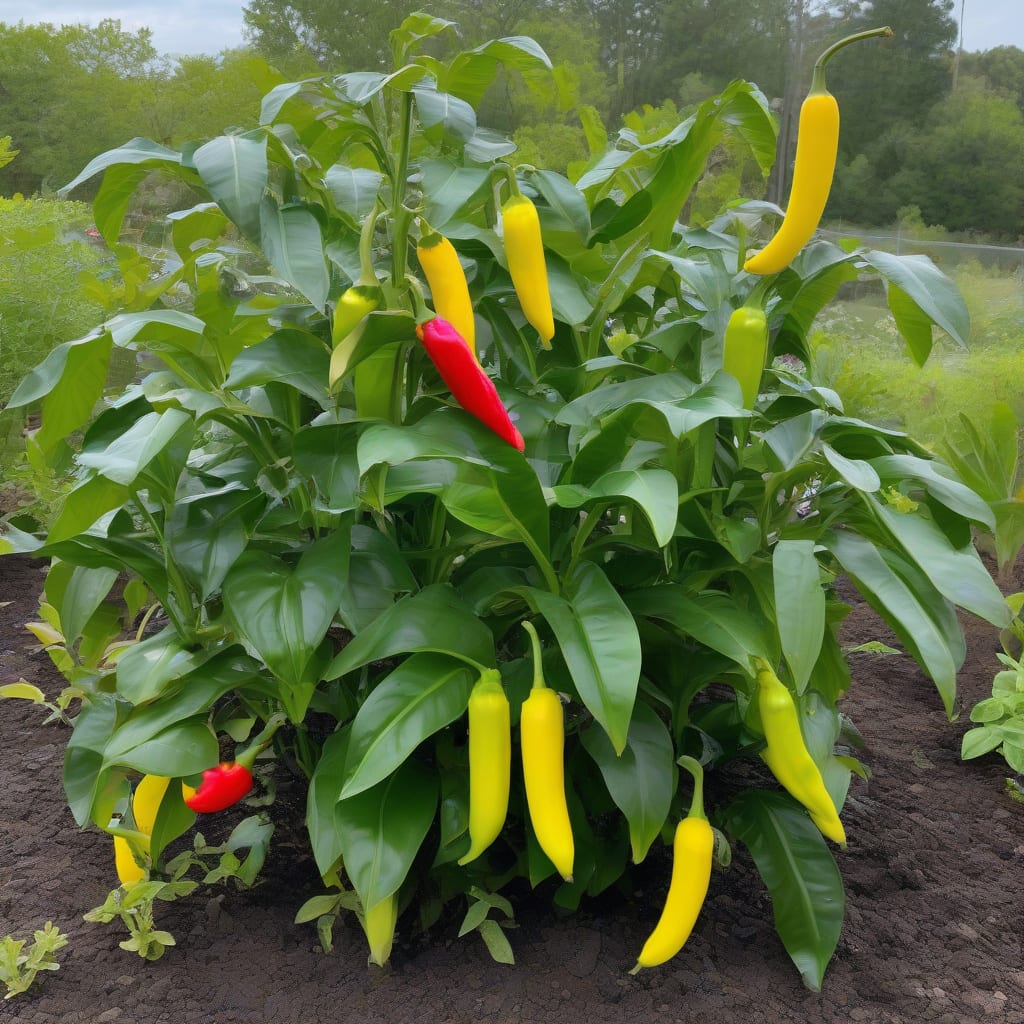
As I step into my garden, I’m greeted by the vibrant 🌶️ Banana Pepper plants that add both beauty and bounty to my outdoor space. Understanding their growth patterns is key to maximizing their potential.
Banana Pepper plants typically grow between 2-3 feet tall, making them a great addition to gardens in USDA Zone 6. With proper care and support, these plants can thrive and produce an abundance of delicious peppers.

2-3 ft

2-3 ft

2-3 ft

2-3 ft
Banana pepper plants are a popular choice for gardeners due to their relatively compact size and high yield. Understanding their growth habits is crucial for maximizing their potential.
The typical height range for banana pepper plants is between 2-3 feet, making them suitable for a variety of garden settings. This height range allows for easy maintenance and harvesting.
Several factors can influence the height of banana pepper plants, including soil quality, sunlight exposure, and watering practices. Ensuring optimal growing conditions can help plants reach their full potential height.
Banana pepper plants require full sun to produce well, so choosing a location that receives at least 6 hours of direct sunlight is essential. Proper soil preparation and fertilization can also impact plant height and overall health.
In terms of growth rate, banana pepper plants typically take around 60-90 days to mature and start producing peppers. This relatively fast growth rate makes them a great choice for gardeners looking for a quick harvest.
To support healthy growth and maximize pepper production, gardeners should consider pruning techniques and training methods. These practices can help control plant height and promote a bushy growth habit.
One of the key benefits of growing banana pepper plants is their high yield potential. With proper care, a single plant can produce numerous peppers throughout the growing season.
By understanding the growth habits and factors that influence the height of banana pepper plants, gardeners can better plan their garden layout and optimize growing conditions for a bountiful harvest.
Regular monitoring of plant health and growth can help identify any potential issues early on, allowing for timely interventions to ensure optimal plant performance.
Overall, banana pepper plants are a rewarding addition to any garden, offering a delicious harvest and attractive foliage.
Gardeners can enjoy a continuous harvest of banana peppers by successionally planting new seeds or seedlings every few weeks. This technique can help extend the harvest season and ensure a steady supply of fresh peppers.
To grow tall, healthy banana pepper plants, it’s essential to provide them with the right conditions. Banana pepper plants require full sun to produce well, so choose a location that receives at least 6 hours of direct sunlight daily 🌞.
Soil quality is another critical factor in determining the height and overall health of banana pepper plants. The ideal soil should be well-draining and rich in organic matter. I recommend amending the soil with compost or well-rotted manure to improve its fertility and drainage.
Water your banana pepper plants in the morning to minimize evaporation and reduce the risk of fungal diseases. Aim to provide about 1 cup of water per plant every 3-5 days, adjusting based on weather conditions.
In addition to proper soil and sunlight, fertilization plays a crucial role in promoting healthy growth. I recommend using a balanced fertilizer with an NPK ratio of 10-10-10. Apply the fertilizer every 4-6 weeks during the growing season, following the manufacturer’s instructions for application rates.
Support is also essential for banana pepper plants, especially when they are heavily laden with fruit. Providing stakes or a trellis can help keep the plants upright and encourage better fruiting. I recommend installing the support system when the plants are still young to avoid damaging the roots later on.
By following these essential tips, you can grow tall, healthy banana pepper plants that produce an abundance of delicious peppers. Regular monitoring of plant health and growth can help identify any potential issues early on, allowing for timely interventions to ensure optimal plant performance 🌟.
Banana pepper plants are relatively low maintenance, but they do benefit from regular care. Keep an eye out for pests and diseases, and take action promptly if you notice any issues. With proper care and attention, your banana pepper plants should thrive and provide you with a bountiful harvest.
One of the key benefits of growing banana pepper plants is their high yield potential. With proper care, a single plant can produce numerous peppers throughout the growing season. This makes them an excellent choice for gardeners looking to maximize their harvest.
To further optimize growth, consider mulching around the plants to retain moisture and suppress weeds. This simple technique can make a significant difference in the overall health and productivity of your banana pepper plants.
I manage banana pepper plant height through pruning and training techniques to promote healthy growth and maximize pepper production. Pruning helps control plant height and encourages a bushy growth habit.
Banana pepper plants typically grow between 2-3 feet tall, but pruning can help maintain a more compact shape. Regular pruning also promotes better air circulation, reducing the risk of disease.
Remove lower leaves to improve air circulation and reduce disease risk.
Prune weak or spindly growth to direct energy to healthier branches.
Use stakes or trellises to support plants and encourage upright growth.
By implementing these pruning and training techniques, you can effectively manage banana pepper plant height and promote a bountiful harvest 🌟.
Regular monitoring of plant health and growth is essential to identify potential issues early. This allows for timely interventions to ensure optimal plant performance and maximize pepper production.
Banana pepper plants are relatively low maintenance, but they benefit from regular care. Keep an eye out for pests and diseases, and take action promptly if you notice any issues.
With proper care and attention, banana pepper plants can thrive and provide a delicious harvest. Enjoy your homegrown peppers in various dishes, from salads to stir-fries 🌶️.
