
Beautiful Plants For Your Interior
Beautiful Plants For Your Interior
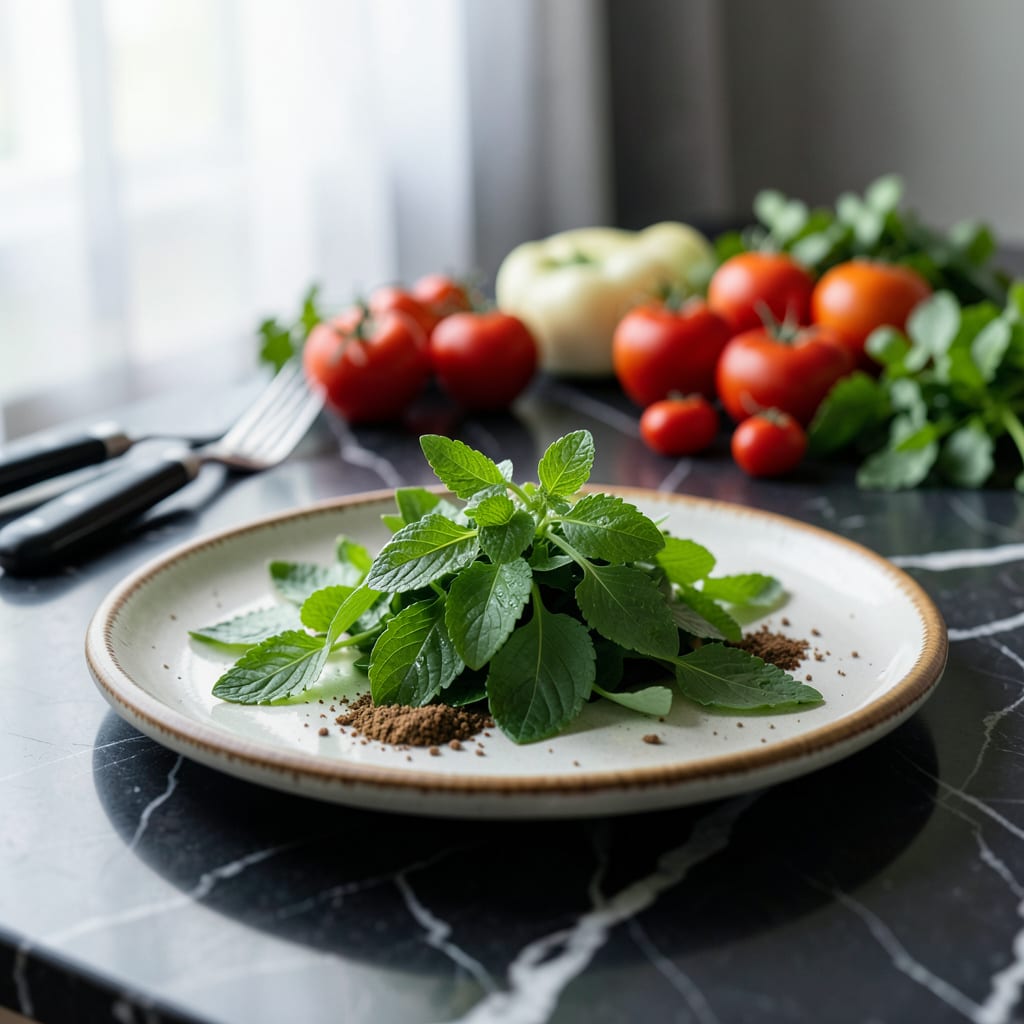
Fertilizing your Tomato 🍅 plants at the right time can be the difference between a mediocre harvest and a bountiful one. In USDA Zone 6, understanding when to provide that nutritional boost is crucial for optimal growth.
I’ll guide you through the best times to fertilize, helping you maximize your plant’s potential and enjoy a successful harvest from July to September. Let’s get started with the basics of fertilization timing.

I always start by understanding the science behind plant nutrient needs, as it makes a huge difference in determining the best fertilization timing. Plants have different nutrient requirements at various growth stages, and understanding these needs is critical for optimal growth 🌱.
The three main factors that determine fertilization timing are growth stages, seasonal variations, and soil conditions. By considering these factors, you can create a fertilization schedule that meets your plants’ specific needs and promotes healthy growth.
Seasonal variations also play a significant role in determining fertilization timing. For example, during the spring season, plants require more nutrients to support new growth, while in the fall season, they may require fewer nutrients as growth slows down 🌻.
Soil conditions are another critical factor to consider when determining fertilization timing. Soil testing can help you understand your soil’s nutrient content and pH level, allowing you to adjust your fertilization schedule accordingly. I always recommend testing your soil at least once a year to ensure optimal nutrient levels 🔍.
In addition to these factors, it’s essential to consider the specific needs of your plants. Different plants have varying nutrient requirements, and understanding these needs is crucial for optimal growth. For example, tomato plants like mine require more potassium during the fruiting stage to promote healthy fruit development 🍅.
By understanding these factors and creating a tailored fertilization schedule, you can promote healthy growth and maximize your plant’s potential. I’ll dive deeper into specific fertilization schedules for different plant types in the next section 📅.
Fertilization is not a one-size-fits-all solution, and understanding the unique needs of your plants is crucial for optimal growth. By considering factors like growth stages, seasonal variations, and soil conditions, you can create a fertilization schedule that promotes healthy growth and maximizes your plant’s potential 🌟.
As we explore the world of fertilization, it’s clear that timing is everything. By fertilizing at the right time, you can give your plants the nutrients they need to thrive. I’ll continue to explore the best fertilization practices for different plant types in the next section 📚.
The key to successful fertilization is understanding your plants’ specific needs and creating a schedule that meets those needs. By doing so, you can promote healthy growth, maximize your plant’s potential, and enjoy a bountiful harvest 🎉.
In conclusion, understanding when to fertilize is critical for optimal plant growth. By considering factors like growth stages, seasonal variations, and soil conditions, you can create a fertilization schedule that promotes healthy growth and maximizes your plant’s potential 🌿.
I find that different plants have unique fertilization needs, and understanding these requirements is crucial for optimal growth. In my experience, using the right fertilization schedule can make all the difference in a plant’s development 🌿.
Let’s explore the specific fertilization needs of various plant types, including vegetables, flowering plants, trees, and lawns. By understanding these needs, you can create a tailored fertilization schedule that promotes healthy growth and maximizes your plant’s potential 📅.
By understanding the unique fertilization needs of your plants, you can create a tailored fertilization schedule that promotes healthy growth and maximizes your plant’s potential. I’ll continue to explore the best fertilization practices for different plant types in the next section 📚.
The key to successful fertilization is understanding your plants’ specific needs and creating a schedule that meets those needs. By doing so, you can promote healthy growth, maximize your plant’s potential, and enjoy a bountiful harvest 🎉.
In my experience, using the right fertilization schedule can make all the difference in a plant’s development. By considering factors like growth stages, seasonal variations, and soil conditions, you can create a fertilization schedule that promotes healthy growth and maximizes your plant’s potential 🌟.
As we explore the world of fertilization, it’s clear that timing is everything. By fertilizing at the right time, you can give your plants the nutrients they need to thrive. I’ll dive deeper into common fertilization mistakes to avoid in the next section 🚨.
In conclusion, understanding the fertilization needs of different plant types is crucial for optimal growth. By creating a tailored fertilization schedule, you can promote healthy growth and maximize your plant’s potential 🌿.
When it comes to fertilizing, I’ve learned that even experienced gardeners can make critical mistakes that impact plant health. Understanding these common errors is essential for achieving optimal growth and maximizing your harvest 🌿.
Let’s examine some of the most frequent fertilization mistakes gardeners make, including over-fertilization, under-fertilization, and timing mistakes. By being aware of these pitfalls, you can take steps to avoid them and ensure your plants receive the nutrients they need 🚨.
Over-fertilizing can cause nutrient burn, damaging your plants’ roots and leaves. Always follow the recommended application rates to avoid this common mistake.
Over-fertilization is a common mistake that can have severe consequences for your plants. Too much fertilizer can cause excessive growth, making plants more susceptible to disease and pests. It can also lead to soil degradation, reducing the soil’s ability to support healthy plant growth 🌱.
On the other hand, under-fertilization can result in nutrient deficiencies, limiting plant growth and reducing yields. By understanding your plants’ specific nutrient needs, you can avoid under-fertilizing and ensure they receive the necessary nutrients to thrive 🌻.
Timing mistakes are another common error gardeners make. Fertilizing at the wrong time can be ineffective or even harmful to your plants. For example, fertilizing during the wrong season can promote new growth that may not have time to harden off before frost ❄️.
By being aware of these common fertilization mistakes, you can take steps to avoid them and ensure your plants receive the nutrients they need to thrive. In my experience, using the right fertilization schedule and avoiding common mistakes can make all the difference in a plant’s development 🌟.
In conclusion, avoiding common fertilization mistakes is crucial for optimal plant growth. By understanding the potential pitfalls and taking steps to avoid them, you can promote healthy growth and maximize your plant’s potential 🌿.
Fertilizing in the early morning is usually best as it allows plants to absorb nutrients throughout the day. Avoid fertilizing during the hottest part of the day to prevent burning roots. Watering after fertilizing helps nutrients reach the roots effectively.
For tomato plants, fertilize every 4-6 weeks during the growing season with a balanced fertilizer (10-10-10 NPK). You can adjust frequency based on soil conditions and plant growth. Monitor plant health and adjust your fertilization schedule accordingly.
It’s generally recommended to wait until tomato plants have established themselves (about 1-2 weeks after planting) before fertilizing. Start with a low-nitrogen fertilizer to promote root development. This helps prevent burning young roots.
For flowering plants like roses, use a high-phosphorus fertilizer to promote blooming. A bloom booster fertilizer during the flowering stage can significantly enhance flower production. Follow the manufacturer’s instructions for application rates.
