
Beautiful Plants For Your Interior
Beautiful Plants For Your Interior
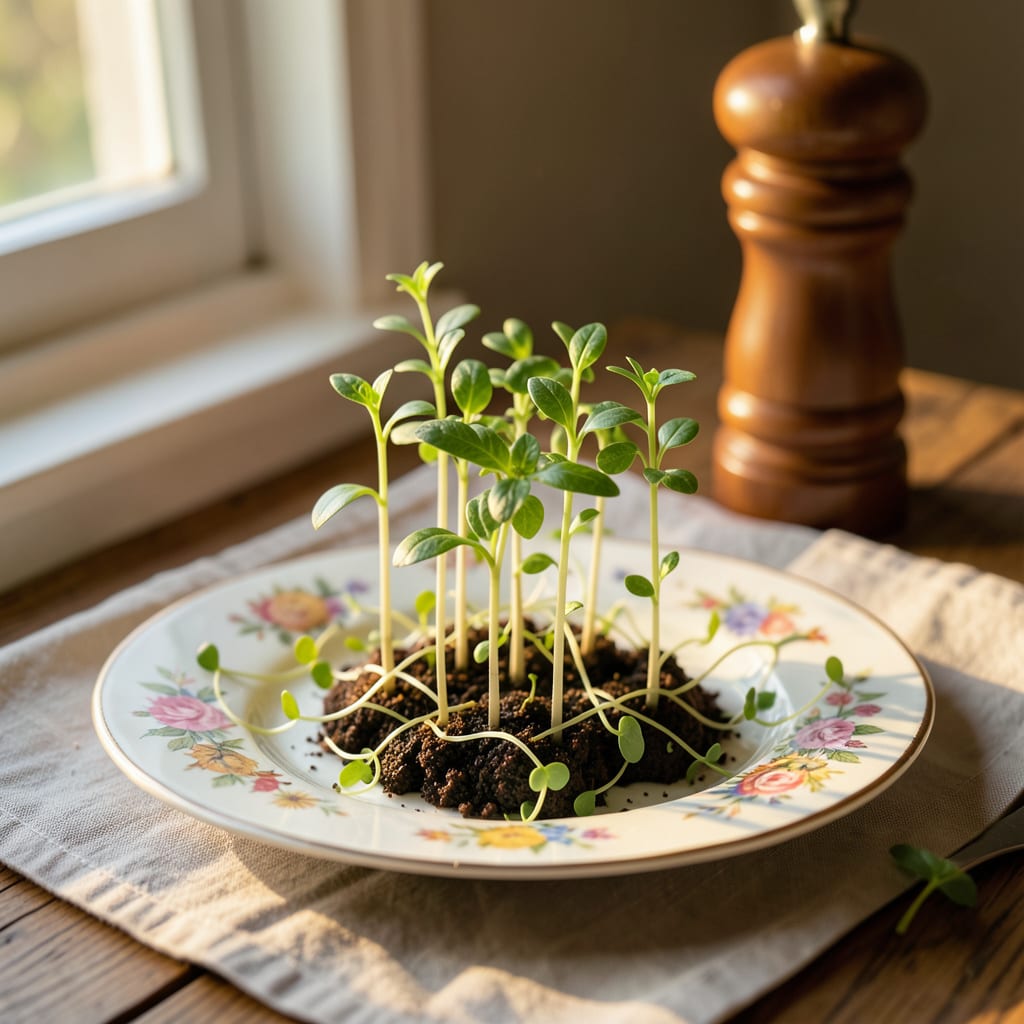
As I nurture my Pepper 🌶️ seedlings, timing is everything – fertilizing too early can damage delicate roots, while waiting too long can stunt growth. In USDA Zone 6, where spring arrives with the last frost typically around mid-April, I need to plan carefully.
Understanding when to provide that first feeding makes all the difference in growing healthy, productive plants that will thrive through the growing season, typically from May through September. Let’s explore the optimal timing for fertilizing your Pepper seedlings.

Fertilizing pepper seedlings requires careful timing to avoid damaging their delicate roots while supporting their growth. In USDA Zone 6, where the last frost typically occurs around mid-April, understanding when to fertilize is crucial for healthy development 🌶️.
The ideal time to fertilize pepper seedlings is when they have developed their first true leaves, usually 7-10 days after germination. At this stage, the seedlings are transitioning from relying on seed nutrients to producing their own food through photosynthesis 🌱.
When fertilizing, I recommend using a balanced fertilizer with an NPK ratio of 10-10-10. This provides equal parts nitrogen, phosphorus, and potassium, supporting overall plant health and development. For pepper seedlings, a diluted strength of 1/4 to 1/2 the recommended dose is ideal to prevent root burn 🔥.
It’s also important to consider the soil mix in which your pepper seedlings are growing. If the mix is specifically formulated for seedlings, it may already contain some nutrients. Always check the label to adjust your fertilization plan accordingly 📦.
To ensure you’re fertilizing at the right time, monitor your seedlings for signs of readiness, such as robust root development and the appearance of true leaves. This careful observation will help you provide the necessary nutrients for optimal growth 🌿.
For more detailed information on pepper seedling care and fertilization, continue reading the next section on Best Fertilizers for Pepper Seedlings and Application Tips. This will help you make informed decisions about the type of fertilizer to use and how to apply it safely 🔍.
Fertilizing pepper seedlings is a critical step in their development. By understanding the optimal timing and using the right type of fertilizer, you can ensure your seedlings grow into healthy, productive plants 🌻.
Remember, the key to successful fertilization is timing and balance. By following these guidelines, you’ll be well on your way to growing thriving pepper plants that will provide a bountiful harvest 🔥.
In conclusion, fertilizing pepper seedlings at the right time is essential for their growth and productivity. By
Choosing the right fertilizer for pepper seedlings is crucial for their healthy development. I recommend starting with a balanced fertilizer that contains equal parts nitrogen, phosphorus, and potassium, typically with an NPK ratio of 10-10-10 🌿.
There are two main types of fertilizers available: organic and synthetic. Organic fertilizers, such as compost or fish emulsion, release nutrients slowly and improve soil structure. Synthetic fertilizers provide immediate nutrients but require careful application to avoid over-fertilization 📦.
When applying fertilizer, it’s essential to follow the manufacturer’s instructions and start with a diluted strength to avoid burning the seedlings’ delicate roots. A general rule of thumb is to use 1/4 to 1/2 the recommended dose 🔥.
Fertilize your pepper seedlings every 4-6 weeks during the growing season, which typically spans from spring to late summer. Monitor your plants for signs of nutrient deficiency, such as yellowing leaves or stunted growth, and adjust your fertilization schedule accordingly 🌻.
By understanding the different types of fertilizers available and following proper application tips, you can provide your pepper seedlings with the necessary nutrients for optimal growth and development 🌱.
For more information on caring for your pepper seedlings, including tips on watering and pruning, continue reading the next section on Common Mistakes to Avoid When Fertilizing Young Pepper Plants 🔍.
Remember, the key to successful fertilization is balance and observation. By following these guidelines, you’ll be well on your way to growing healthy, productive pepper plants that will provide a bountiful harvest 🌶️.
In conclusion, choosing the right fertilizer and following proper application tips are crucial for the healthy development of pepper seedlings. By considering the pros and cons of different fertilizer types and adjusting your fertilization schedule as needed, you can ensure a successful harvest 🎉.
Fertilizing young pepper plants requires careful attention to detail to avoid common mistakes that can hinder their growth. One of the most critical errors is over-fertilization, which can cause root damage and nutrient imbalances 🔥.
Applying too much fertilizer can damage young pepper plants. Start with diluted strength and monitor plant response.
Another mistake is neglecting soil pH considerations. Pepper plants prefer a slightly acidic to neutral soil pH (6.0-7.0). Fertilizers can affect soil pH, so it’s essential to monitor and adjust accordingly 📊.
Watch for signs of nutrient deficiency, such as yellowing leaves or stunted growth. These symptoms can indicate that your pepper seedlings need a different type or amount of fertilizer 🌿.
To avoid these mistakes, follow the manufacturer’s instructions for fertilizer application rates and take into account the soil mix your seedlings are growing in. Adjust your fertilization plan as needed based on plant response 🔍.
By being aware of these common mistakes and taking steps to avoid them, you can ensure your pepper seedlings receive the right amount of nutrients for optimal growth and development 🌻.
For more detailed information on caring for your pepper plants, including tips on watering and pruning, continue reading the next section 🔥.
Successful fertilization is all about balance and observation. By following these guidelines, you’ll be well on your way to growing healthy, productive pepper plants that will provide a bountiful harvest 🌶️.
Start fertilizing your pepper seedlings when they have developed their first true leaves, usually 7-10 days after germination. This is when they begin to transition from relying on seed nutrients to producing their own food through photosynthesis. Use a diluted balanced fertilizer to avoid burning their delicate roots.
A balanced fertilizer with an NPK ratio of 10-10-10 is ideal for pepper seedlings. You can choose between organic and synthetic fertilizers, but start with a diluted strength to avoid over-fertilization. Organic options like compost or fish emulsion release nutrients slowly and improve soil structure.
Fertilize your pepper seedlings every 4-6 weeks during the growing season. Monitor your plants for signs of nutrient deficiency, such as yellowing leaves or stunted growth, and adjust your fertilization schedule accordingly.
Over-fertilization can cause root damage and nutrient imbalances in pepper seedlings. To avoid this, start with a diluted strength and monitor your plants’ response. Also, be mindful of soil pH, as fertilizers can affect it. Pepper plants prefer a slightly acidic to neutral soil pH (6.0-7.0).
