
Beautiful Plants For Your Interior
Beautiful Plants For Your Interior
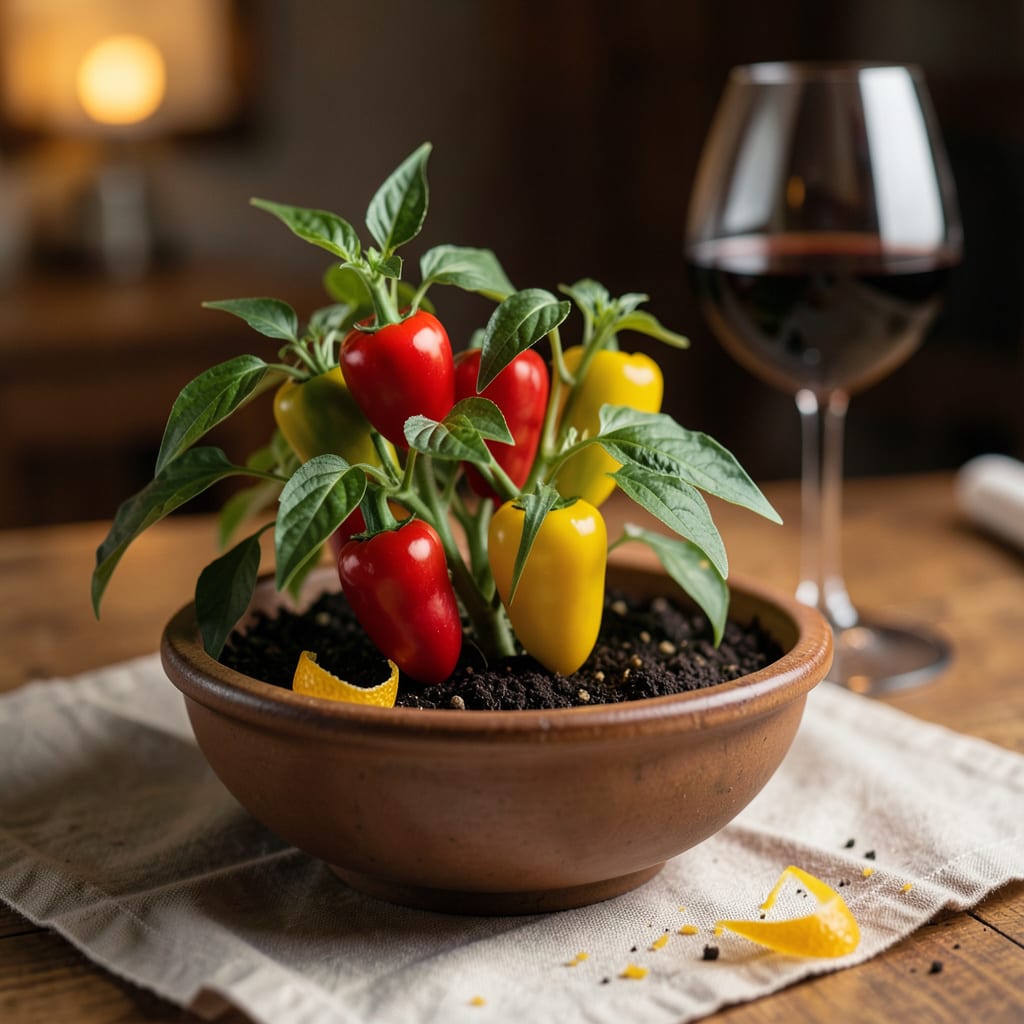
Growing healthy pepper plants 🌶️ requires careful planning, and fertilization plays a crucial role. In USDA Zone 6, where the spring season brings new life to gardens, timing your fertilizer application is key to maximizing your pepper yield.
Let’s explore the best times to fertilize your pepper plants and ensure a bountiful harvest from July to September. By understanding when and how to feed your peppers, you’ll be on your way to enjoying a productive growing season.

Fertilizing pepper plants at the right time is crucial for maximizing yield and growing healthy, robust peppers. In USDA Zone 6, pepper plants typically start producing fruit in July and continue through September. To support this growth, fertilization should be timed carefully.
The first fertilization should occur when transplanting pepper seedlings into their final growing location. This initial feeding helps establish a strong root system and promotes healthy growth. Subsequent fertilizations will depend on the plant’s growth stage and nutrient needs.
In USDA Zone 6, the ideal months for fertilizing pepper plants are May and June, with additional feeding in July during the fruiting stage. It’s essential to stop fertilizing by September to allow the plants to prepare for the end of the growing season.
The frequency of fertilization for pepper plants is typically every 4-6 weeks during the growing season. A balanced fertilizer with an NPK ratio of 10-10-10 is recommended, and the amount should be about 1 tablespoon per plant. Fertilizing in the early morning is best to minimize loss through evaporation.
Understanding the key growth stages of pepper plants helps in planning the fertilization schedule. From transplanting through flowering and fruit development, each stage has specific nutrient requirements that, when met, ensure a healthy and productive harvest.
For pepper plants, the flowering stage is particularly critical as it marks the transition from vegetative growth to fruit production. A fertilizer high in phosphorus can support this transition by promoting flower and fruit development.
During the fruit development stage, maintaining a balanced nutrient supply is vital. This supports the continued growth of the peppers and overall plant health.
By following these fertilization guidelines, gardeners can significantly improve the health and productivity of their pepper plants, leading to a more bountiful harvest.
It’s also worth noting that soil conditions play a significant role in how often and how much fertilizer is needed. Soil testing can provide valuable insights into the nutrient levels and pH, helping to tailor the fertilization strategy to the specific needs of the garden.
Effective fertilization is just one aspect of growing healthy pepper plants. Combining it with proper watering and sunlight exposure will further enhance the growth and yield of the plants.
Fertilizing pepper plants effectively is crucial for maximizing yield and growing healthy, robust peppers 🌶️. The right fertilizer application can make a significant difference in the health and productivity of your pepper plants.
To fertilize pepper plants effectively, you need to consider the type of fertilizer, the application method, and the timing of the fertilizer application. A balanced fertilizer with an NPK ratio of 10-10-10 is generally recommended for pepper plants.
Fertilize your pepper plants in the early morning to minimize loss through evaporation. Apply about 1 tablespoon of balanced fertilizer per plant every 4-6 weeks during the growing season.
The frequency of fertilization for pepper plants is typically every 4-6 weeks during the growing season. It’s essential to stop fertilizing by September to allow the plants to prepare for the end of the growing season.
Soil testing can provide valuable insights into the nutrient levels and pH, helping to tailor the fertilization strategy to the specific needs of the garden. By understanding the soil conditions, you can adjust the fertilizer application to ensure optimal nutrient uptake.
In addition to fertilization, proper watering and sunlight exposure are critical for the health and productivity of pepper plants. Ensuring that your pepper plants receive full sun and consistent moisture will further enhance their growth and yield.
By following these guidelines and tips, you can significantly improve the health and productivity of your pepper plants, leading to a more bountiful harvest. Effective fertilization is a key component of growing healthy and robust peppers.
For more specific advice on fertilizing pepper plants, consider consulting with a local gardening expert or conducting further research on the specific needs of your pepper variety.
Remember, the key to successful pepper cultivation is a combination of proper fertilization, adequate watering, and sufficient sunlight. By focusing on these critical factors, you can enjoy a healthy and productive pepper harvest.
Understanding when your pepper plants need fertilizer is crucial for maintaining their health and maximizing yield 🌶️. Recognizing the signs of nutrient deficiency can help you adjust your fertilization schedule accordingly.
Some common signs that your pepper plants need fertilizer include yellowing leaves, slow growth, and poor fruit development. These symptoms can indicate a lack of essential nutrients in the soil.
Regular soil testing is also essential to determine the nutrient levels and pH of your soil. This information can help you tailor your fertilization strategy to the specific needs of your pepper plants.
By monitoring your pepper plants for these signs and adjusting your fertilization schedule accordingly, you can ensure they receive the nutrients they need to thrive.
In addition to fertilization, maintaining proper watering and sunlight exposure is vital for the overall health and productivity of your pepper plants.
By combining these practices, you can create an optimal growing environment for your pepper plants, leading to a more bountiful harvest 🌼.
Fertilize your pepper plants every 4-6 weeks during the growing season. This frequency supports healthy growth and fruit production without overloading the plants with nutrients. For best results, use a balanced fertilizer (10-10-10 NPK).
The early morning is the best time to fertilize your pepper plants. This timing helps minimize nutrient loss through evaporation and allows the plants to absorb the nutrients throughout the day. It’s also less stressful for the plants than fertilizing during the hottest part of the day.
Yes, over-fertilizing can harm your pepper plants. Too much fertilizer can cause nutrient burn, leading to damaged roots and leaves. It can also result in excessive vegetative growth at the expense of fruit production. Always follow the recommended application rates on the fertilizer package.
Look for signs like yellowing leaves, slow growth, or poor fruit development. These can indicate nutrient deficiencies. Regular soil testing can also help determine if your pepper plants need fertilizer by assessing the soil’s nutrient levels and pH.
