
Beautiful Plants For Your Interior
Beautiful Plants For Your Interior
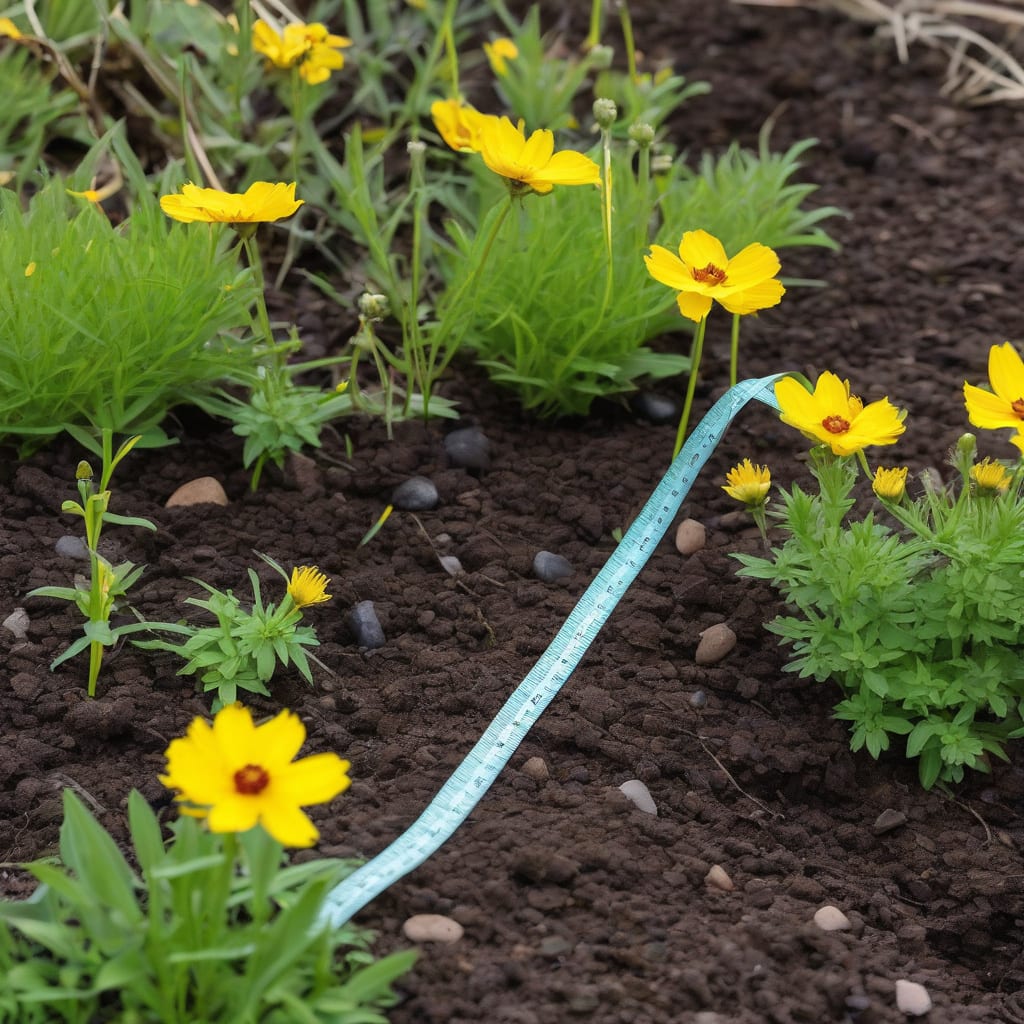
When planning your garden, understanding the growth habits of your chosen plants is crucial. Coreopsis 💛, known for its vibrant blooms, is a popular choice among gardeners. But have you ever wondered how tall it can grow?
Coreopsis typically grows between 1-3 feet tall, making it a great choice for borders or containers. Its height can vary based on the specific variety and growing conditions in your USDA Zone 6 garden.


Coreopsis, a popular perennial flower, is known for its vibrant blooms and varying heights. Understanding the typical height range of different coreopsis varieties is essential for effective garden planning.
The height of coreopsis plants can vary significantly based on the specific variety and growing conditions. Generally, coreopsis plants grow between 1-3 feet tall, making them suitable for borders, containers, or mixed garden beds 🌼.
The height of coreopsis plants is influenced by factors such as soil quality, sunlight exposure, and maintenance practices. Providing optimal growing conditions can help coreopsis plants reach their full height potential 🌻.
Dwarf varieties typically grow to be around 1-2 feet tall, making them ideal for containers or border edges. In contrast, standard varieties can reach heights of 2-3 feet, adding a vibrant pop of color to garden beds.
Threadleaf coreopsis, known for its delicate foliage, can grow even taller, reaching heights of 2-4 feet under optimal conditions. Understanding these height variations is key to creating a balanced and visually appealing garden design.
In addition to variety, growing conditions play a significant role in determining the final height of coreopsis plants. Factors such as soil fertility, moisture levels, and sunlight exposure can impact overall plant growth and height 🌟.
For gardeners looking to maximize their coreopsis height, understanding these factors and providing appropriate care is essential. Regular maintenance practices like pruning and deadheading can also influence the plant’s overall height and appearance.
By selecting the right coreopsis variety and providing optimal growing conditions, gardeners can enjoy these beautiful flowers at their full height potential. Whether used in borders, containers, or mixed garden beds, coreopsis adds a vibrant touch to any garden landscape 🌼.
The height range of coreopsis makes it a versatile choice for various garden designs. From compact dwarf varieties to taller threadleaf types, there’s a coreopsis variety to suit every gardener’s needs and preferences.
Understanding the growth habits and height potential of coreopsis is crucial for creating a harmonious garden layout. By considering factors like soil quality and maintenance practices, gardeners can optimize their coreopsis plants’ height and overall performance 🌻.
The height of coreopsis plants is influenced by several key factors that gardeners should consider when planning their garden. Understanding these elements can help maximize the plant’s growth potential and overall appearance 🌼.
Soil quality plays a crucial role in determining coreopsis height. Plants grown in well-draining soil with adequate nutrients tend to reach their full height potential more effectively than those in poor soil conditions.
Coreopsis thrives in soil that is rich in organic matter and has good drainage. Poor soil conditions can limit the plant’s height and overall health.
Sunlight exposure is another critical factor affecting coreopsis height. These plants generally require full sun to reach their maximum height, so choosing a location that receives at least 6 hours of direct sunlight daily is essential 🌻.
Maintenance practices such as pruning and deadheading can also impact the height and appearance of coreopsis plants. Regular pruning can help control the plant’s height and encourage bushier growth, while deadheading promotes continuous blooming.
In addition to these factors, watering practices can influence coreopsis height. While coreopsis is relatively drought-tolerant, consistent moisture during the growing season can support healthier growth and potentially taller plants 💧.
By understanding and managing these factors, gardeners can optimize the height and overall performance of their coreopsis plants, creating a more vibrant and visually appealing garden display 🌼.
For gardeners looking to maximize their coreopsis height, it’s essential to provide optimal growing conditions and regular maintenance. This includes ensuring good soil quality, adequate sunlight, and appropriate watering practices.
By following these guidelines, gardeners can enjoy their coreopsis plants at their full height potential, adding a beautiful and vibrant element to their garden landscape 🌻.
Effective garden design requires understanding how to manage coreopsis height. By implementing proper techniques, gardeners can optimize their plants’ growth and create a visually appealing landscape 🌼.
Pruning practices play a crucial role in managing coreopsis height. Regular pruning helps control the plant’s height and encourages healthier, bushier growth. Prune coreopsis in early spring to promote new growth and maintain desired height 🌻.
Proper spacing is essential for managing coreopsis height in garden designs. Plant coreopsis 12-18 inches apart to allow for adequate air circulation and prevent overcrowding, which can lead to taller, leggier growth 🌿.
Companion planting can also help manage coreopsis height. Pair coreopsis with plants of similar height and growing conditions to create a balanced garden layout. Consider combining with low-growing groundcovers or mid-height perennials for a harmonious design 🌺.
By implementing these strategies, gardeners can effectively manage coreopsis height and create a beautiful, thriving garden display. Regular maintenance and thoughtful garden planning are key to optimizing coreopsis performance 🌼.
