
Beautiful Plants For Your Interior
Beautiful Plants For Your Interior
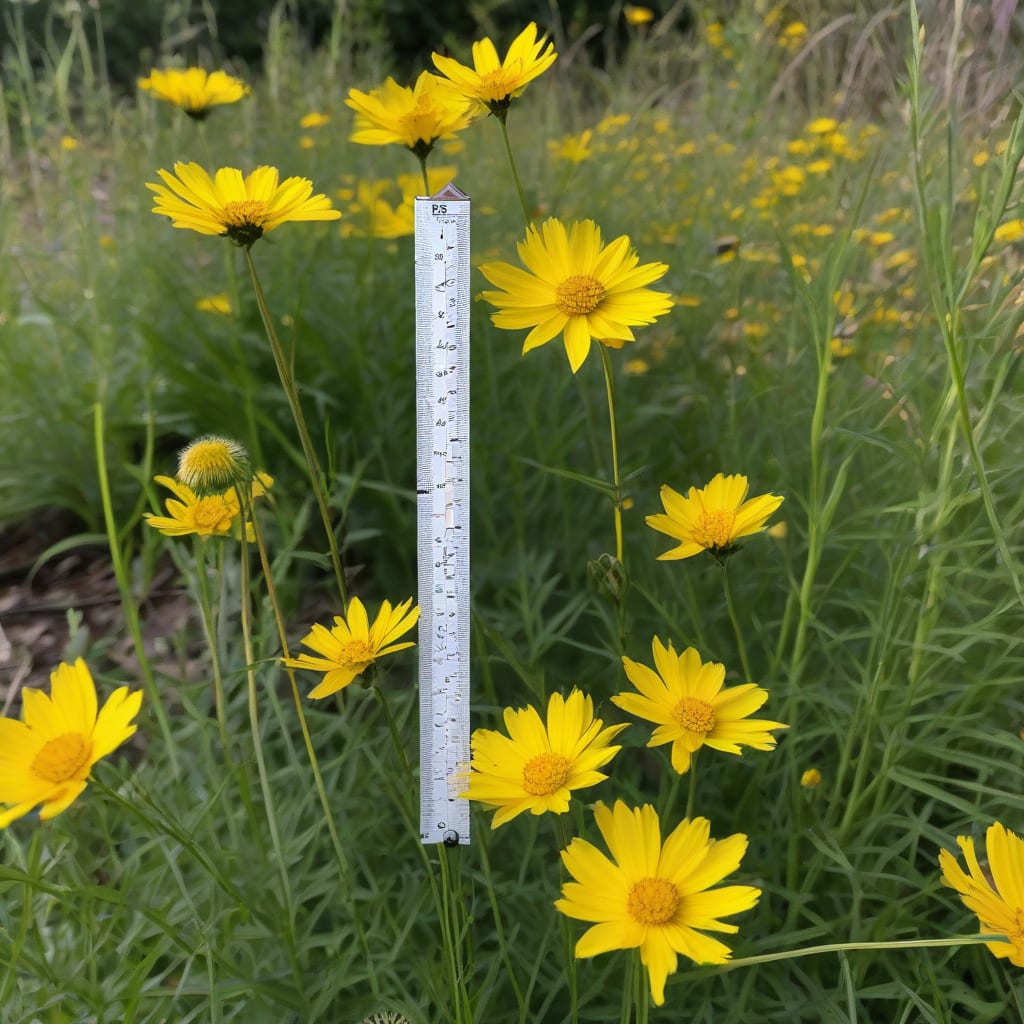
When planning your garden, understanding the growth habits of your chosen plants is crucial. Coreopsis 💛, known for its vibrant blooms, is a popular choice among gardeners. But have you ever wondered how tall these beautiful flowers can grow?
Coreopsis typically grows between 1-3 feet tall, making it a great addition to various garden layouts in USDA Zone 6. Let’s explore what affects their height and how to make the most of their growth.


Coreopsis, a popular perennial flower, comes in various species and cultivars that exhibit different growth heights. Understanding these variations is essential for effective garden planning and placement.
The typical height range for Coreopsis plants varies between 1-3 feet, with some varieties growing taller or shorter than this range. Factors such as soil quality, sunlight, and watering conditions can influence their growth.
Different Coreopsis species and cultivars can grow to varying heights. For example, Coreopsis verticillata typically grows to be around 2-3 feet tall, while Coreopsis grandiflora can reach heights of up to 3 feet. Understanding these differences is crucial for garden planning.
The growth height of Coreopsis is influenced by several factors, including soil quality, sunlight, and watering conditions. Coreopsis generally thrives in well-drained soil and full sun, which can impact their overall height.
In optimal conditions, Coreopsis plants can reach their full height potential, making them a great addition to various garden designs. Their height can also be managed through pruning and companion planting. By understanding these factors, gardeners can better plan their garden layouts.
Coreopsis plants are known for their vibrant blooms and relatively low maintenance requirements. Their height makes them suitable for a variety of garden settings, from borders to wildflower gardens.
The height of Coreopsis can vary significantly depending on the specific cultivar and growing conditions. Gardeners should consider these factors when selecting Coreopsis for their gardens.
By choosing the right Coreopsis variety and providing optimal growing conditions, gardeners can enjoy these beautiful flowers at their full height potential. Regular maintenance, such as pruning, can also help manage their height.
Understanding the growth habits of Coreopsis, including their height, is key to creating a well-designed garden. With their vibrant blooms and manageable height, Coreopsis can be a great addition to any garden.
In summary, Coreopsis plants typically grow between 1-3 feet tall, with variations depending on the species and growing conditions. By understanding these factors and choosing the right variety, gardeners can effectively incorporate Coreopsis into their garden designs.
Understanding the factors that influence Coreopsis growth height is crucial for gardeners who want to optimize their garden design. Several environmental and gardening factors can impact how tall these beautiful flowers will grow 🌼.
The height of Coreopsis plants is influenced by multiple factors, including soil quality, sunlight exposure, and watering practices. Coreopsis generally thrives in well-drained soil and full sun, which can significantly impact their overall height.
Coreopsis plants are adaptable to various soil types but perform best in soil with good drainage. Proper sunlight and watering can significantly enhance their growth and height.
Soil quality plays a significant role in determining the height of Coreopsis. These plants prefer well-drained soil that is not too rich or fertile. Soil that is too dense or poorly drained can limit root growth, affecting the plant’s overall height.
Sunlight exposure is another critical factor. Coreopsis requires full sun to thrive, meaning they need at least 6 hours of direct sunlight per day. Insufficient sunlight can result in leggy growth and reduced height.
Watering practices also impact Coreopsis height. While these plants are relatively drought-tolerant, consistent moisture during the growing season can promote healthier growth. However, overwatering can lead to root rot and negatively affect height.
In addition to these factors, gardening practices such as pruning and fertilization can influence Coreopsis height. Regular deadheading can encourage more blooms, while pruning back after flowering can help maintain a desired height.
By understanding and managing these factors, gardeners can optimize the growth height of their Coreopsis plants, ensuring they reach their full potential in the garden 🌿.
Coreopsis plants are known for their vibrant blooms and relatively low maintenance requirements, making them a popular choice for gardeners. By providing optimal growing conditions, gardeners can enjoy these beautiful flowers at their full height potential.
In summary, the height of Coreopsis is influenced by a combination of environmental factors and gardening practices. By understanding these factors, gardeners can create an optimal growing environment for their Coreopsis plants.
When planning your garden, understanding how to manage the height of your Coreopsis plants is crucial for achieving the desired layout and aesthetic. Coreopsis can grow between 1-3 feet tall, and their height can be influenced by various factors.
To optimize Coreopsis height for different garden designs, gardeners can employ several practical strategies. These include pruning, staking, and companion planting, which can help maintain a desired height and promote a balanced garden layout 🌿.
By implementing these strategies, gardeners can effectively manage the height of their Coreopsis plants, ensuring they complement the overall garden layout. This not only enhances the visual appeal but also promotes a healthier and more sustainable garden environment 🌼.
In addition to these methods, understanding the specific growth habits of different Coreopsis species and cultivars is essential. This knowledge allows gardeners to make informed decisions about which varieties to plant and how to care for them.
Managing Coreopsis height is a key aspect of garden design that can significantly impact the overall appearance and health of your garden. By using techniques like pruning, staking, and companion planting, gardeners can create a beautiful and balanced garden landscape.
