
Beautiful Plants For Your Interior
Beautiful Plants For Your Interior
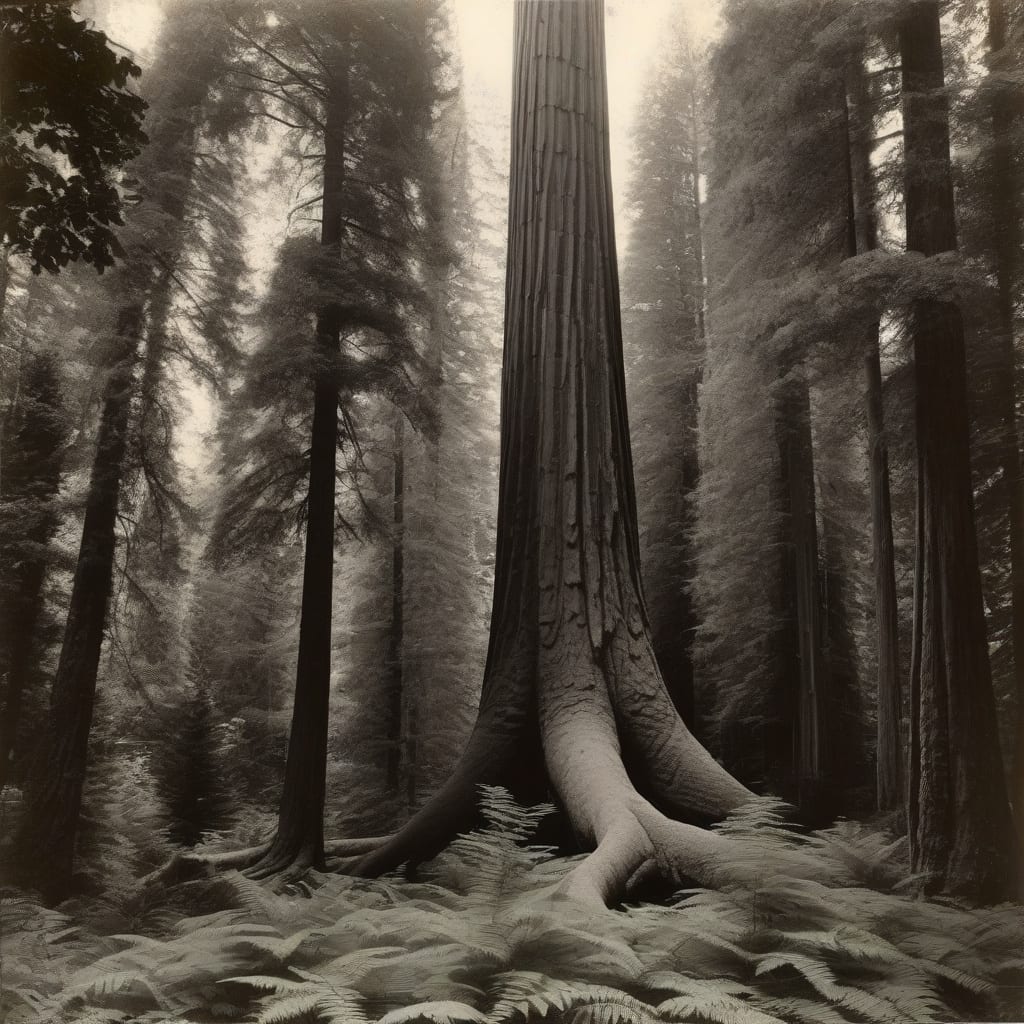
I’ve always been fascinated by the majestic Sequoia Tree 🌳, known for its incredible height. These natural giants can grow to astonishing heights, with some specimens reaching over 250 feet tall.
Let’s explore the factors that contribute to their remarkable growth and what you can expect when cultivating these magnificent trees in your own space, particularly in USDA Zone 6.


I’ve always been amazed by the incredible heights that Sequoia Trees 🌳 can reach. These natural giants are among the tallest trees in the world, with some specimens growing over 250 feet tall.
The tallest Sequoia Tree ever recorded is a Giant Sequoia named Helios, measuring 274.9 feet in height. This remarkable tree is located in Redwood National Park, California, and is considered one of the tallest trees in the world 🌳.
Sequoia Trees are known for their rapid growth, especially during their early years. They can grow 3-6 feet in a single year, which is significantly faster than many other tree species.
The height of a sequoia tree is influenced by various factors, including soil quality, climate conditions, and genetic predisposition. Trees growing in optimal conditions with plenty of water, nutrients, and sunlight tend to reach greater heights.
It’s worth noting that while Sequoia Trees can grow to incredible heights, their growth rate slows down significantly as they mature. Older trees may only grow a few inches per year, but they continue to thrive for centuries 🌲.
The exceptional height of Sequoia Trees is not just a result of their growth rate but also their ability to live for thousands of years. Some Sequoias are known to be over 3,000 years old, giving them ample time to reach such remarkable heights.
Understanding the growth patterns and maximum heights of Sequoia Trees can help in appreciating these natural wonders and inspire efforts to preserve and protect them for future generations.
As we continue to learn more about these magnificent trees, we can better appreciate the importance of conservation efforts and the role that Sequoia Trees play in their ecosystems.
By studying the growth habits and environmental factors affecting Sequoia Trees, we can gain valuable insights into how to promote healthy growth and ensure the longevity of these incredible trees.
Overall, the study of Sequoia Tree heights is not just about understanding a remarkable natural phenomenon but also about learning how to care for and protect these trees for generations to come.
I’ve always been fascinated by the factors that influence the height of Sequoia Trees 🌳. While genetics play a role, environmental conditions are equally crucial in determining how tall these magnificent trees can grow.
The height of a sequoia tree is influenced by various factors, including soil quality, climate conditions, and genetic predisposition. Trees growing in optimal conditions with plenty of water, nutrients, and sunlight tend to reach greater heights 🌲.
Sequoias thrive in deep, well-draining soil rich in nutrients. The ideal soil pH for sequoias ranges from 5.5 to 6.5, which is slightly acidic.
Sequoias prefer a mild climate with cool, humid summers and mild, wet winters. They thrive in areas with high rainfall and moderate temperatures.
Some sequoia trees are genetically predisposed to grow taller than others. Giant Sequoias (Sequoiadendron giganteum) are known to reach greater heights than other sequoia species.
Understanding these factors can help in appreciating the remarkable height of Sequoia Trees and inspire efforts to preserve and protect them for future generations 🌟.
By studying the growth habits and environmental factors affecting Sequoia Trees, we can gain valuable insights into how to promote healthy growth and ensure the longevity of these incredible trees.
Overall, the height of Sequoia Trees is a complex trait influenced by a combination of genetic and environmental factors, making them truly remarkable natural wonders 🌳.
As we continue to learn more about these magnificent trees, we can better appreciate the importance of conservation efforts and the role that Sequoia Trees play in their ecosystems.
By promoting sustainable forestry practices and protecting natural habitats, we can help ensure the continued health and growth of Sequoia Trees for generations to come.
I’ve always been fascinated by the variations in height among different Sequoia Tree 🌳 species and locations. While all sequoias are known for their impressive stature, there are notable differences depending on the specific type and growing conditions.
The main species of sequoia trees are Giant Sequoias (Sequoiadendron giganteum) and Coast Redwoods (Sequoia sempervirens). Both are known for their remarkable heights, but they have different growth patterns and habitat preferences 🌲.
Giant Sequoias are typically found in the Sierra Nevada mountains of California, where they can grow to be over 250 feet tall. Coast Redwoods, on the other hand, are found along the northern California coast and can reach heights of over 350 feet in ideal conditions 🌟.
The height of sequoia trees can also be influenced by their location. Trees growing in areas with optimal climate conditions, such as high rainfall and mild temperatures, tend to reach greater heights than those growing in less favorable conditions.
Understanding these differences can help in appreciating the unique characteristics of each sequoia species and the importance of preserving their natural habitats 🌳.
