
Beautiful Plants For Your Interior
Beautiful Plants For Your Interior
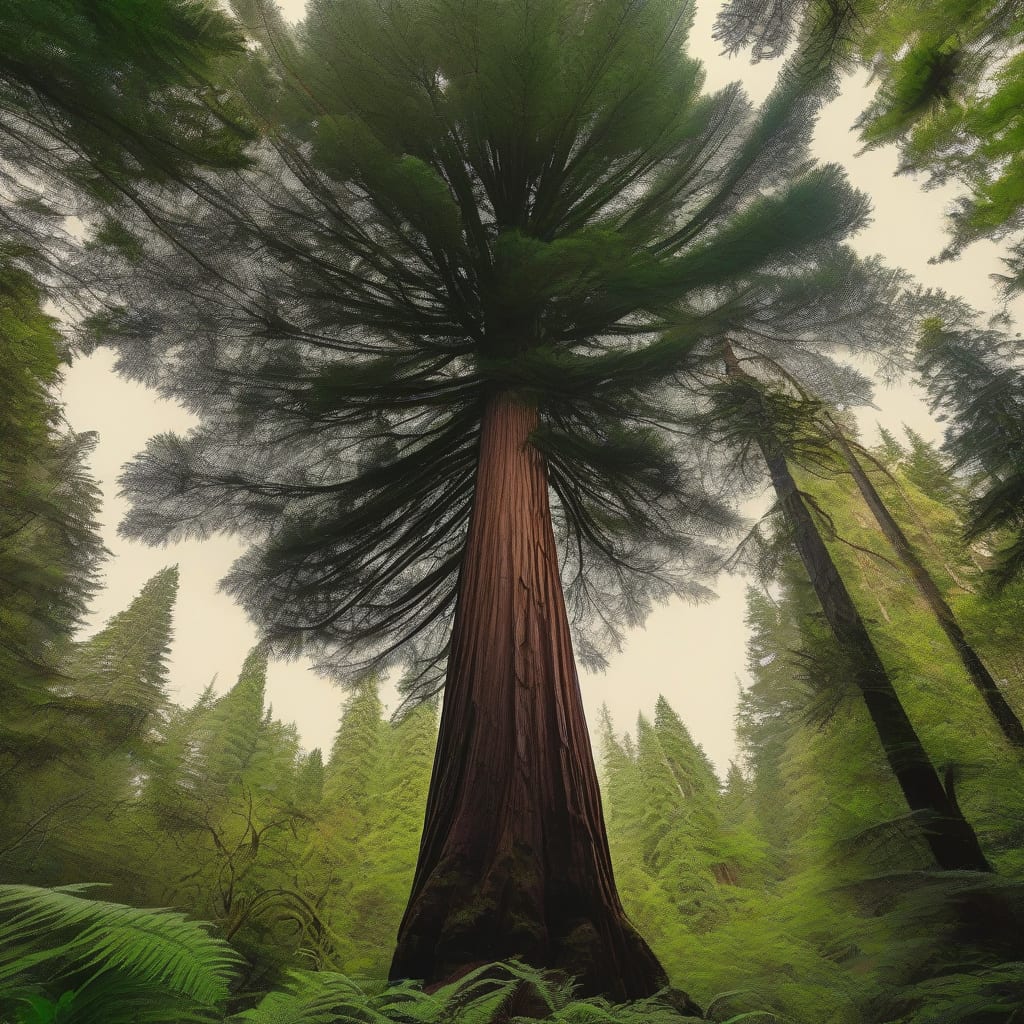
Redwood trees are nature’s skyscrapers, reaching heights that inspire awe and wonder 🌲. The tallest ones can grow over 380 feet tall, making them some of the tallest trees on Earth.
Let’s explore what makes these trees so remarkable and how they achieve such incredible heights in zones 7-9. We’ll dive into the factors that influence their growth and what you can do to cultivate these giants in your own garden.


Redwood trees are known for their incredible height, with some specimens reaching over 380 feet tall. The tallest redwood tree ever recorded is a coast redwood named Hyperion, which stands at an impressive 380.1 feet 🌲.
This remarkable height is not just a result of genetics; it’s also influenced by the tree’s environment and biology. Redwoods have adapted to their coastal habitat in Northern California, where they can take advantage of the foggy climate and mild temperatures to grow tall and thrive.
The biology behind redwood trees’ height is fascinating. They have a unique ability to transport water and nutrients from their roots to their leaves through a process called hydraulic lift. This allows them to sustain their massive size and continue growing tall.
Redwoods also have a specialized root system that helps them absorb moisture and nutrients from the fog. Their shallow roots can extend for hundreds of feet, allowing them to capture moisture and nutrients from a wide area.
The combination of these factors enables redwood trees to achieve remarkable heights. In addition to their height, redwoods are also known for their long lifespan, with some trees living for over 2,000 years.
Understanding how redwood trees grow and thrive can provide valuable insights for cultivating these giants in your own garden. By replicating their natural habitat and providing the right conditions, you can help your redwood trees reach their full potential.
One of the key factors in redwood tree growth is moisture. Redwoods thrive in areas with high humidity and consistent rainfall. They have adapted to the foggy climate of Northern California, where they can absorb moisture from the air through their leaves.
In addition to moisture, redwoods also require well-draining soil to prevent root rot. Their shallow roots make them susceptible to root rot if the soil is too wet or waterlogged.
By understanding the factors that influence redwood tree growth, you can create an optimal environment for these trees to thrive. Whether you’re a seasoned gardener or just starting out, growing redwood trees can be a rewarding experience.
Redwood trees have been a part of the California landscape for millions of years, with fossil records showing that they date back to the Jurassic period. Their longevity and ability to adapt to changing environments have made them a fascinating subject for study.
In conclusion, redwood trees are truly remarkable organisms that continue to inspire wonder and awe. Their incredible height, longevity, and adaptability make them a unique and fascinating species.
Redwood trees achieve their remarkable heights due to a combination of environmental factors and biological adaptations. The unique coastal habitat of Northern California provides ideal conditions for these trees to thrive 🌲.
The foggy climate and mild temperatures allow redwoods to grow tall and maintain their massive size. Understanding these factors is crucial for cultivating redwoods in your own garden.
The most important factors influencing redwood tree growth include moisture, soil quality, and genetic predisposition. These trees thrive in areas with high humidity and consistent rainfall.
One of the primary factors influencing redwood growth is moisture. Redwoods have adapted to absorb moisture from the air through their leaves, taking advantage of the foggy climate in their natural habitat.
Soil quality is another critical factor. Redwoods require well-draining soil to prevent root rot, as their shallow roots can be susceptible to waterlogging.
Genetic predisposition also plays a significant role in redwood tree growth. Some trees are naturally more inclined to grow taller due to their genetic makeup.
The combination of these factors enables redwood trees to achieve remarkable heights. By understanding and replicating these conditions, you can help your redwood trees reach their full potential.
Redwood trees have been a part of the California landscape for millions of years, with fossil records showing that they date back to the Jurassic period. Their longevity and adaptability make them fascinating subjects for study 🌿.
In conclusion, the growth and height of redwood trees are influenced by a complex interplay of environmental and biological factors. By understanding these factors, you can better appreciate the remarkable nature of these trees.
Redwood trees are known for their incredible height, but there are different species and locations that affect their growth 🌲. The two main species of redwood trees are coast redwoods and giant sequoias.
Coast redwoods are found along the Northern California coast and can grow up to 380 feet tall. Giant sequoias, on the other hand, are found in the Sierra Nevada mountains and can live for over 2,000 years.
The location and climate of these trees play a significant role in their growth. Coast redwoods thrive in the foggy, mild climate of Northern California, while giant sequoias prefer the drier, more varied climate of the Sierra Nevada mountains.
Understanding the differences between these species and their growth patterns can help you appreciate the unique characteristics of each tree 🌟.
By comparing the heights of different redwood species and locations, we can gain a deeper understanding of these incredible trees and their remarkable growth habits.
The tallest redwood trees are truly awe-inspiring, and their heights continue to fascinate people around the world 🌲.
