
Beautiful Plants For Your Interior
Beautiful Plants For Your Interior
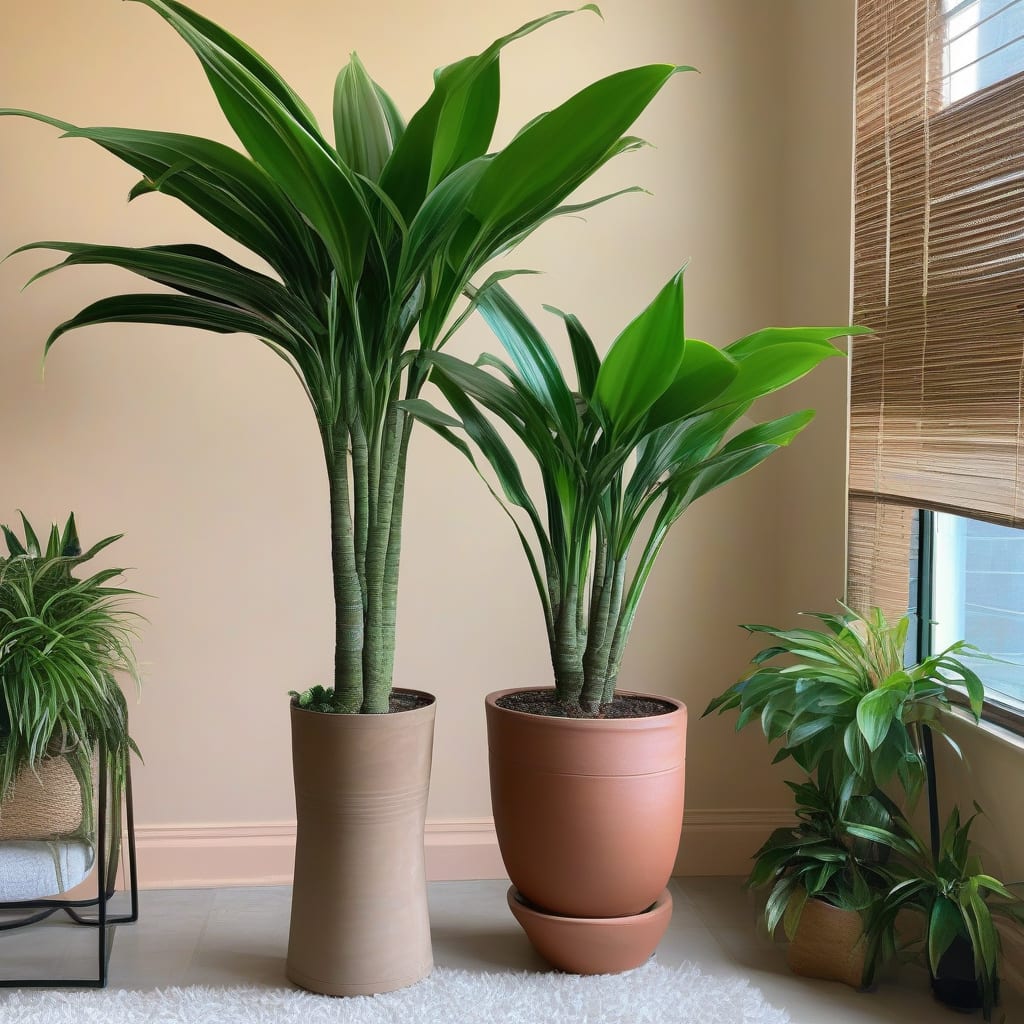
I’ve always been fascinated by bamboo’s remarkable growth – some varieties can shoot up to 3 feet in just 24 hours! 🌿 But have you ever wondered how tall these incredible plants can actually get? Understanding bamboo’s height potential is crucial for gardeners in USDA Zone 6.
Bamboo’s height varies widely depending on the species and growing conditions. Let’s explore the factors that influence bamboo’s maximum height and how to manage it for optimal growth in your garden.

3-6 ft

6-12 ft

10-20 ft

15-80 ft
Bamboo is known for its incredible height potential, with different species achieving varying maximum heights. Understanding these differences helps gardeners choose the right variety for their space.
The height of bamboo plants can range from 10 feet for compact varieties to over 80 feet for giant timber bamboo. Let’s explore some common species and their maximum heights.
The maximum height of bamboo is influenced by its species. Dwarf bamboo varieties typically reach heights of 10-15 feet, making them ideal for smaller gardens or container planting. Timber bamboo, on the other hand, can grow to impressive heights of 40-80 feet, often used for landscaping and timber production.
Running bamboo species can achieve heights between 20-50 feet, known for their rapid spread and tall, graceful culms. Clumping bamboo varieties typically reach 10-40 feet in height and are favored for their more controlled growth habit.
🌿
When selecting bamboo for your garden, consider the mature height of the species to ensure it fits your landscape design and maintenance capabilities. Some bamboo varieties are naturally more compact, while others require regular pruning to manage their height.
Bamboo height can also be influenced by growing conditions such as soil quality, sunlight, and watering practices. Optimal conditions can help bamboo reach its full height potential.
For gardeners in USDA Zone 6, choosing a bamboo species that thrives in the local climate is essential. Researching the specific height potential of your chosen bamboo variety will help you plan your garden effectively.
Regular maintenance, including pruning and thinning, can help control bamboo height and promote healthy growth. Removing older culms makes way for new shoots and maintains the overall health of the plant.
In addition to height, consider other factors such as spread, culm diameter, and foliage density when selecting bamboo for your garden. These characteristics will impact the overall appearance and maintenance needs of your bamboo planting.
By understanding the maximum heights of different bamboo species, gardeners can make informed decisions about which varieties to cultivate and how to manage them for optimal growth and aesthetic appeal.
Whether you’re looking for a compact screen or a dramatic statement piece, there’s a bamboo variety to suit your needs. With proper care and maintenance, bamboo can be a beautiful and versatile addition to any garden.
Bamboo height is influenced by multiple factors that gardeners can control or optimize. Understanding these elements helps in achieving the desired height for your bamboo plants.
The climate plays a crucial role in bamboo growth. Bamboo thrives in tropical and subtropical regions with high humidity and temperatures between 60°F to 90°F (15°C to 32°C). In cooler climates, growth is slower and heights are generally lower. For gardeners in USDA Zone 6, choosing cold-hardy varieties is essential 🌿.
Soil quality, watering practices, and maintenance routines significantly impact bamboo height potential. Optimal conditions help bamboo reach maximum heights.
Soil quality is another critical factor affecting bamboo height. Bamboo prefers well-draining, fertile soil rich in organic matter. Soil pH between 6.0 and 7.0 is ideal for most bamboo species. Regular soil testing helps maintain optimal nutrient levels for healthy growth.
Watering practices directly impact bamboo height. Bamboo requires consistent moisture, especially during the growing season. Deep watering once or twice a week is generally more effective than frequent shallow watering. Mulching around plants helps retain soil moisture and regulate temperature.
Nutrient management is vital for maximizing bamboo height. A balanced fertilizer applied during the growing season provides essential nutrients. Organic compost or well-rotted manure can also be used to enrich the soil and promote healthy growth.
Sunlight exposure affects bamboo height as well. Most bamboo species prefer full sun to partial shade. Inadequate sunlight can result in weaker, less vigorous growth and reduced height potential.
Regular maintenance practices like pruning and thinning also influence bamboo height. Removing older culms makes way for new shoots and maintains overall plant health. Proper spacing between plants allows for adequate air circulation and light penetration, promoting better growth.
By understanding and optimizing these factors, gardeners can help their bamboo plants achieve their maximum height potential while maintaining overall plant health and vigor.
For gardeners in USDA Zone 6, being mindful of the first and last frost dates is crucial. Bamboo growth slows down during winter months, and protecting plants from extreme cold can help maintain their health and promote vigorous growth in the following season.
Different bamboo species have varying requirements for optimal growth. Researching the specific needs of your bamboo variety will help you tailor your care practices to maximize height and overall plant performance.
I always recommend understanding how to manage bamboo height for successful gardening. Bamboo can grow quite tall, but with the right techniques, you can keep it under control and make it a beautiful addition to your garden.
One effective method for managing bamboo height is through regular pruning. By removing older culms, you make way for new shoots and maintain the overall health of the plant. This practice also helps control the height and density of your bamboo 🌿.
Select bamboo species that naturally grow to the height you desire for your garden.
Growing bamboo in containers can help control its height by limiting root spread.
Regular pruning helps maintain the desired height and promotes healthy growth.
By implementing these strategies, you can effectively manage the height of your bamboo plants and enjoy their beauty without them becoming overwhelming. Regular maintenance is key to keeping your bamboo healthy and looking its best.
It’s also worth noting that different bamboo species have varying growth habits. Some are naturally more compact, while others can grow quite tall. Understanding the specific needs and characteristics of your bamboo variety will help you tailor your care practices accordingly.
For gardeners in USDA Zone 6, being mindful of the climate and soil conditions is crucial. Bamboo thrives in well-draining, fertile soil and consistent moisture. By optimizing these factors, you can help your bamboo reach its full potential while maintaining a manageable height.
With the right approach, bamboo can be a versatile and attractive addition to any garden, providing both beauty and functionality. Whether you’re looking for a natural screen or a dramatic statement piece, bamboo can be an excellent choice.
