
Beautiful Plants For Your Interior
Beautiful Plants For Your Interior
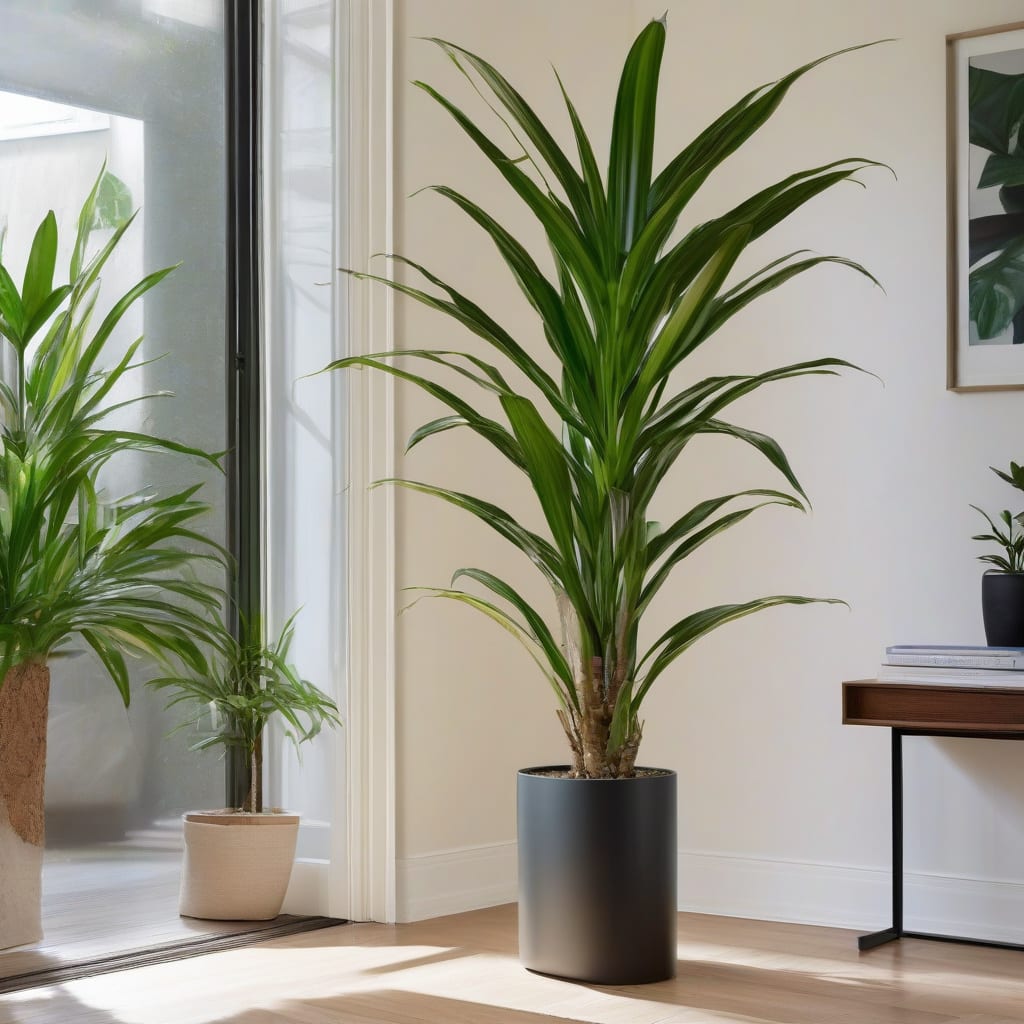
Bamboo 🌿 is known for its remarkable growth rates and impressive heights, making it a fascinating plant for gardeners and nature enthusiasts alike. In ideal conditions, some bamboo species can grow up to 100 feet tall, rivaling the height of a 10-story building.
Understanding how tall bamboo can grow is crucial for gardeners in USDA Zone 6 who want to cultivate this versatile plant. Let’s explore the factors that influence bamboo’s height and how to manage its growth.


Bamboo is known for its remarkable growth rates and impressive heights, making it a fascinating plant for gardeners and nature enthusiasts alike. The height of bamboo varies significantly across different species, with some growing as tall as 100 feet or more in ideal conditions.
Understanding the maximum heights of different bamboo species is crucial for gardeners who want to cultivate this versatile plant. Let’s explore the varying heights of different bamboo species and factors influencing their growth 🌿.
The height of bamboo is influenced by several factors, including the species, climate, soil quality, and maintenance practices. Some bamboo species are naturally taller than others, and understanding these differences is key to managing their growth effectively.
Dwarf bamboo typically grows between 5-15 feet tall, making it suitable for smaller gardens or container planting. In contrast, standard bamboo can reach heights of 30-100 feet, requiring more space and potentially more maintenance to control its spread.
The growth rate of bamboo is another critical factor that affects its height. Bamboo is known for its rapid growth, with some species growing up to 3 feet per day under ideal conditions. This rapid growth means that bamboo can quickly reach its maximum height in a single growing season.
Climate and soil quality also play significant roles in determining how tall bamboo will grow. Bamboo thrives in warm, moist climates with well-draining soil. In areas with poor soil or unfavorable climate conditions, bamboo ports may not reach their full height potential.
Understanding these factors is essential for gardeners who want to cultivate bamboo successfully and manage its height effectively. By choosing the right bamboo species for their climate and providing appropriate care, gardeners can enjoy the many benefits of growing bamboo 🌿.
The maximum height of bamboo is an important consideration for gardeners, as it affects both the aesthetic appeal and the practical management of the plant. Whether you’re looking to create a natural privacy screen or simply enjoy the beauty of bamboo in your garden, knowing how tall it can grow is the first step in successful cultivation.
When planting bamboo, consider the mature height of the species and leave sufficient space for its full growth. Regular pruning can help manage height and prevent overcrowding.
In conclusion, the height of bamboo varies widely across different species, ranging from dwarf varieties that grow just a few feet tall to towering standard bamboo that can reach heights of over 100 feet. By understanding the factors that influence bamboo’s height and choosing the right species for your garden, you can enjoy the beauty and benefits of this versatile plant 🌿.
The height of bamboo is influenced by several factors, including climate, soil quality, and maintenance practices. Understanding these factors is crucial for gardeners who want to cultivate bamboo successfully and manage its height effectively.
Bamboo thrives in warm, moist climates with well-draining soil. In areas with poor soil or unfavorable climate conditions, bamboo may not reach its full height potential. Let’s explore the key factors that affect bamboo height 🌿.
By understanding and managing these factors, gardeners can optimize the growth of their bamboo plants and achieve the desired height. Whether you’re growing bamboo for its ornamental value or as a natural screen, proper care and maintenance are key to success.
The growth rate of bamboo is another critical factor that affects its height. Bamboo is known for its rapid growth, with some species growing up to 3 feet per day under ideal conditions. This rapid growth means that bamboo can quickly reach its maximum height in a single growing season 🌟.
In conclusion, the height of bamboo is influenced by a combination of factors, including climate, soil quality, watering, fertilization, and pruning. By understanding and managing these factors, gardeners can cultivate healthy, vigorous bamboo plants that reach their full height potential 🌿.
Managing bamboo height is crucial for gardening success, especially in smaller gardens or when using bamboo as a natural screen. By understanding how to control bamboo height, gardeners can prevent overgrowth and maintain a healthy, vigorous plant 🌿.
Regular pruning is essential for managing bamboo height. Prune your bamboo plants annually to maintain the desired height and promote healthy growth.
One effective method for controlling bamboo height is through regular pruning. Pruning involves removing culms that have reached the desired height or are damaged, which helps maintain the overall health of the plant. It’s best to prune bamboo in the late winter or early spring before new growth begins 🌱.
Another important aspect of managing bamboo height is container gardening. Planting bamboo in containers can help control its spread and height by limiting the root system’s expansion. Choose a container that is at least 24 inches deep to accommodate the bamboo’s root system 🌼.
Rhizome barriers are also useful for controlling bamboo height and spread. These barriers are installed around the bamboo planting area to prevent the rhizomes from spreading beyond the desired boundaries. By containing the rhizomes, gardeners can better manage the height and density of their bamboo plants 🌿.
In conclusion, managing bamboo height requires a combination of regular pruning, container gardening, and rhizome barriers. By implementing these strategies, gardeners can enjoy the beauty and benefits of bamboo while maintaining a well-managed garden 🌸.
