
Beautiful Plants For Your Interior
Beautiful Plants For Your Interior
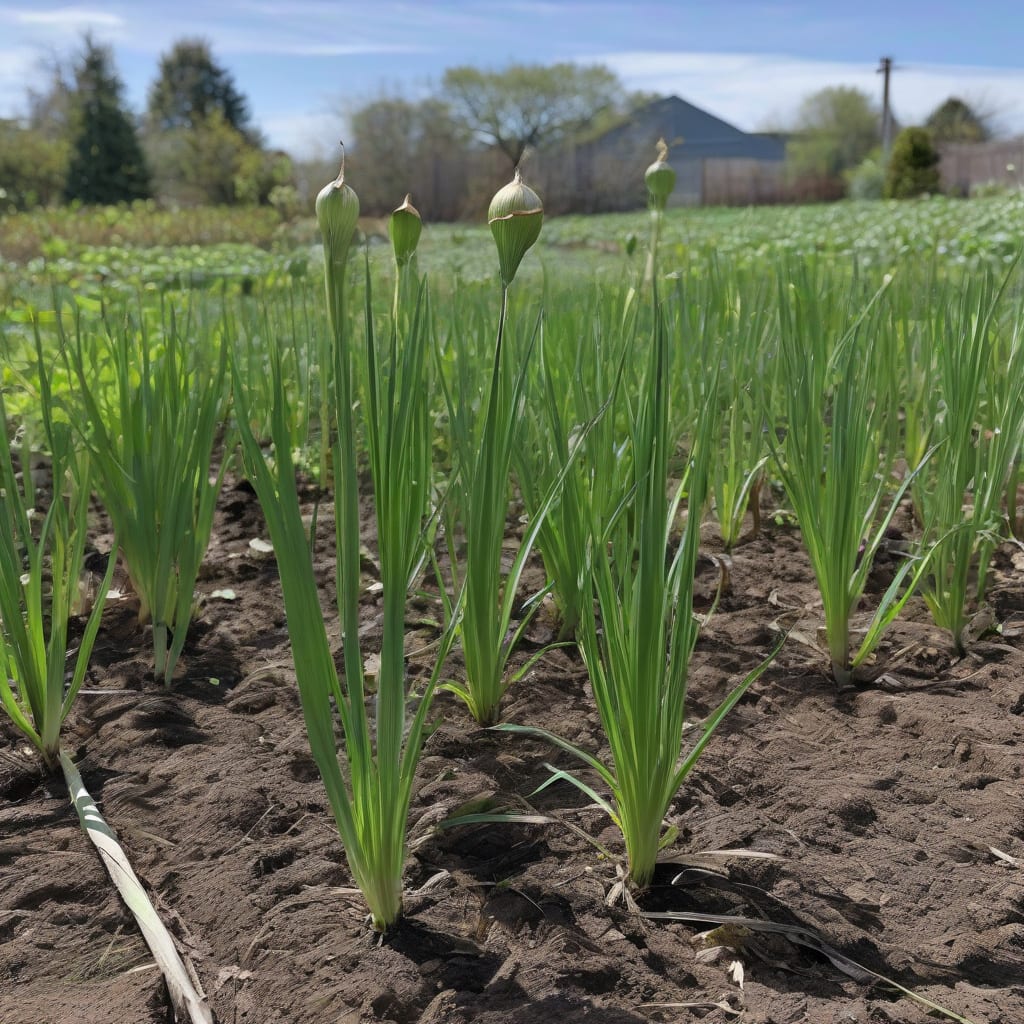
Growing onions 🧅 can be a rewarding experience, but understanding their growth habits is key to a successful harvest. Onion plants typically grow between 1-2 feet tall, reaching their full height when the bulbs are mature and ready to be harvested.
Whether you’re planting in USDA Zone 6 or another region, knowing what to expect can help you plan your garden effectively. I’ll guide you through the growth stages and factors that influence onion plant height, so you can maximize your yield.

Onion plants go through several distinct growth stages, each with characteristic heights that gardeners should be aware of to optimize their cultivation. Understanding these stages is crucial for determining when onions are ready for harvest and how to care for them throughout their growth cycle.
The growth stages of onion plants can be broadly categorized into three main phases: the seedling stage, the bulbing stage, and the maturation stage. Each of these stages has specific characteristics and height ranges that are important for gardeners to recognize.
During the seedling stage, onion plants are most vulnerable to competition from weeds and require careful nurturing to ensure healthy growth. Gardeners should keep the soil consistently moist and ensure adequate sunlight.
As the bulbing stage progresses, the onion bulbs begin to form and enlarge. This stage is characterized by the foliage turning yellow and falling over, which is a natural signal that the bulbs are maturing.
The maturation stage is the final phase in the growth cycle of onion plants. At this point, the tops have fallen over, and the bulbs are fully formed and ready for harvest. Gardeners should be cautious not to damage the bulbs during harvesting to preserve their quality.
By understanding the different growth stages and heights of onion plants, gardeners can better plan their cultivation strategies and optimize their harvest. Whether you’re a seasoned gardener or just starting out, knowing what to expect at each stage can help ensure a successful onion crop.
Onion plants typically reach their full height when the bulbs are mature, usually around 1-2 feet tall. Maintaining optimal growing conditions during the bulbing stage is crucial for achieving healthy bulb formation.
Gardeners should monitor their onion plants closely during the maturation stage to determine the optimal time for harvest, ensuring the best flavor and storage quality 🌱.
Onion plant height can be influenced by several key factors that gardeners should consider to optimize their crop’s growth. Understanding these factors is essential for achieving the best possible yield and quality.
The primary factors that affect onion plant height include variety selection, soil quality, and growing conditions. Each of these elements plays a crucial role in determining the overall health and development of the plants.
Selecting the right onion variety is critical, as different types have varying growth habits and height potentials. Some varieties are bred for specific climates or growing conditions, so choosing the appropriate one for your region is important.
Soil quality significantly impacts onion plant height. Onions prefer well-draining, fertile soil that is rich in organic matter. Poor soil conditions can lead to stunted growth and reduced yields.
Growing conditions, including temperature and moisture levels, also play a significant role in determining onion plant height. Onions thrive in cool weather during the early stages of growth and require consistent moisture to develop properly.
By understanding and managing these factors, gardeners can create optimal conditions for their onion plants to grow and reach their full potential height of 1-2 feet 🌿.
Proper care and attention to these factors will help ensure a healthy and productive onion crop, maximizing both yield and quality 🌱.
To achieve optimal onion plant growth and maximize your harvest, it’s essential to follow expert tips that focus on creating the right growing conditions. Proper care and attention to detail can significantly impact the health and productivity of your onion crop.
Ensure your soil is well-draining and rich in organic matter. Onions prefer a slightly acidic to neutral soil pH (6.0-7.0). Incorporate compost or well-rotted manure to improve soil fertility and structure.
Plant onion sets or seedlings 4-6 inches apart to allow for proper air circulation and reduce competition for nutrients. This spacing helps prevent diseases and promotes healthy bulb formation 🌱.
Keep the soil consistently moist during the growing season, especially during bulb formation. Aim for about 1 inch of water per week, either from rainfall or irrigation. Avoid overwatering, which can lead to rot and other diseases 💧.
By following these expert tips, you can create an optimal growing environment for your onion plants, ensuring they reach their full potential height of 1-2 feet and produce a bountiful harvest. Proper care and attention to detail will help you achieve the best possible yield and quality from your onion crop 🌼.
For more specific guidance tailored to your region and climate, consider consulting local gardening resources or experts who can provide additional insights into growing onions successfully in your area.
