
Beautiful Plants For Your Interior
Beautiful Plants For Your Interior
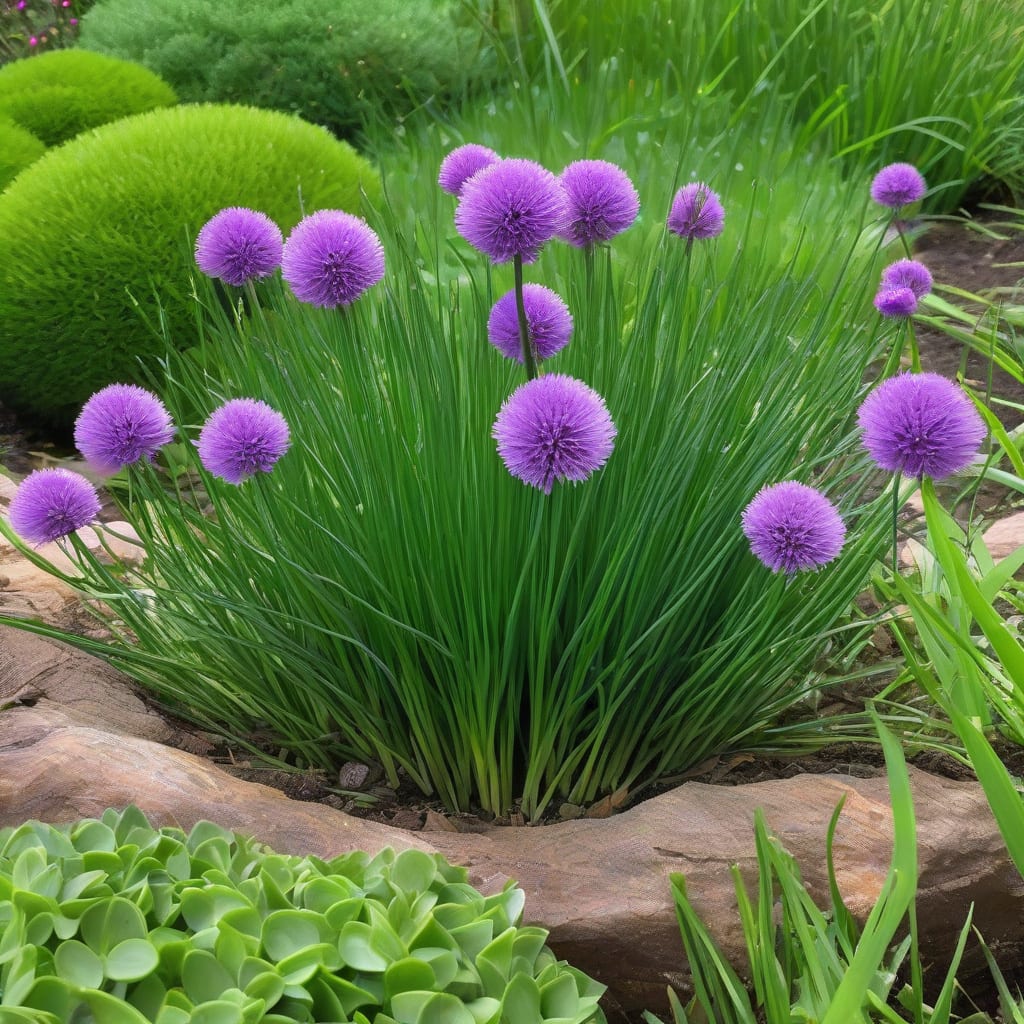
I’ve always been fascinated by how easily Chives 🌿 grow in various conditions. Whether you’re a seasoned gardener or just starting out, understanding their growth patterns is crucial for a bountiful harvest.
Chives typically grow between 1-2 feet tall, making them a great addition to any garden or container. Let’s explore the factors that influence their height and how to optimize their growth.

1 ft

1.5 ft

2 ft

1-2 ft
I’ve found that understanding chive growth patterns is essential for successful cultivation. Chives are a hardy, perennial herb that can thrive in various conditions. Their growth height is an important factor to consider when planning your garden or container.
Chives typically grow between 1-2 feet tall, with some varieties reaching up to 24 inches in ideal conditions. This makes them a great addition to any garden or container, as they can add a burst of flavor and color without overpowering other plants 🌿.
The height of chives can vary depending on factors such as soil quality, sunlight exposure, and watering practices. Understanding these factors is crucial for optimizing chive growth.
Chives are a cool-season crop, thriving in temperatures between 60-80°F (15-27°C). They tend to grow more slowly during the hottest summer months but can continue to produce new growth throughout the growing season.
In ideal conditions, chives can grow quite vigorously, producing dense clumps of foliage that can be harvested regularly. Regular harvesting actually encourages chives to produce more growth, making them a great choice for gardeners who want a continuous supply of fresh herbs.
To maximize chive growth, it’s essential to provide them with the right conditions. This includes planting them in well-drained soil and ensuring they receive adequate sunlight. Chives can tolerate some shade, but they’ll produce more foliage in full sun.
Chives are also relatively low-maintenance when it comes to fertilization. A balanced fertilizer applied in the spring can help promote healthy growth, but be careful not to over-fertilize, as this can lead to weak, leggy growth.
In addition to their culinary uses, chives have several benefits for the garden. They can help repel pests and attract beneficial insects, making them a great companion plant for many vegetables and flowers.
Overall, chives are a versatile and easy-to-grow herb that can add flavor and interest to a variety of dishes. By understanding their growth patterns and providing the right conditions, you can enjoy a bountiful harvest of fresh chives throughout the growing season 🌼.
One of the key benefits of growing chives is their ability to perennialize, coming back year after year with minimal maintenance. This makes them a great choice for gardeners who want a low-maintenance, high-reward crop.
By following these tips and understanding the growth patterns of chives, you can enjoy a healthy and productive crop of this delicious herb. Whether you’re a seasoned gardener or just starting out, chives are definitely worth considering for your garden or container.
I’ve found that several factors influence chive height and growth rate. Understanding these factors is crucial for optimizing chive growth in your garden or container.
The height of chives can vary depending on factors such as soil quality, sunlight exposure, and watering practices. Let’s explore these factors in more detail.
Chives are a cool-season crop, thriving in temperatures between 60-80°F (15-27°C). They tend to grow more slowly during the hottest summer months but can continue to produce new growth throughout the growing season 🌼.
In ideal conditions, chives can grow quite vigorously, producing dense clumps of foliage that can be harvested regularly. Regular harvesting actually encourages chives to produce more growth, making them a great choice for gardeners who want a continuous supply of fresh herbs.
To maximize chive growth, it’s essential to provide them with the right conditions. This includes planting them in well-drained soil and ensuring they receive adequate sunlight. Chives can tolerate some shade, but they’ll produce more foliage in full sun 🌞.
By understanding and managing these factors, you can optimize chive growth and enjoy a bountiful harvest of fresh chives throughout the growing season.
I recommend understanding the best practices for maximizing chive growth to get the most out of your plants. Proper care can significantly impact the height and health of your chives.
To achieve optimal growth, it’s essential to understand the importance of regular pruning and harvesting. Let’s explore some expert tips to help you maximize your chive growth.
Prune your chives regularly to encourage new growth and prevent them from becoming too leggy. Cut back the leaves to about 1-2 inches from the ground after flowering 🌼.
Harvest your chives frequently to promote new growth and prevent the plants from flowering. Use scissors to cut the leaves, leaving about 1-2 inches of growth ✂️.
Fertilize your chives with a balanced fertilizer in the spring and fall to promote healthy growth. Avoid over-fertilizing, as this can lead to weak, leggy growth 🌿.
By following these expert tips, you can maximize your chive growth and enjoy a bountiful harvest of fresh chives throughout the growing season. Regular pruning and harvesting will encourage your chives to produce more foliage, making them a great addition to any garden or container 🌻.
Chives are relatively low-maintenance when it comes to care, but they do benefit from consistent moisture and adequate sunlight. By providing the right conditions and following these best practices, you can enjoy a healthy and productive crop of chives.
One of the key benefits of growing chives is their ability to repel pests and attract beneficial insects, making them a great companion plant for many vegetables and flowers. By incorporating chives into your garden or container, you can create a more balanced and diverse ecosystem 🌼.
