
Beautiful Plants For Your Interior
Beautiful Plants For Your Interior
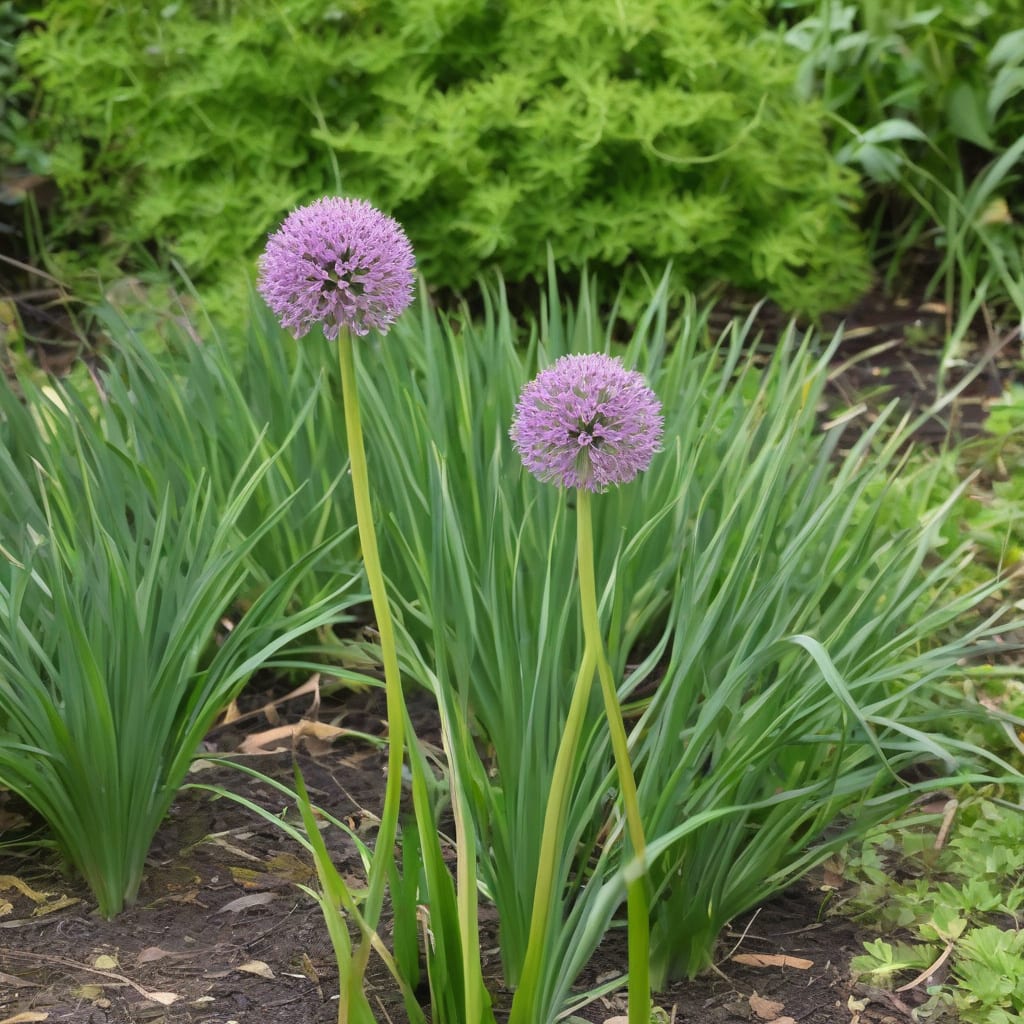
I’ve always been fascinated by Alliums 💐 – their dramatic spherical blooms add a striking touch to any garden. But have you ever wondered just how tall these beautiful flowers can grow? Understanding their height is crucial for perfect garden placement.
Alliums can grow anywhere from 1 to 5 feet tall, depending on the variety and growing conditions in your USDA Zone 6 garden. Let’s explore what affects their growth and how you can make the most of these stunning plants.


I’ve always been fascinated by the varying heights of Allium plants – from compact varieties that stay low to the ground to towering giants that make a dramatic statement in the garden. The height range of Alliums is quite impressive, and understanding this can help you choose the right variety for your garden design.
Alliums can grow anywhere from 1 to 5 feet tall, with different species achieving different maximum heights. Let’s explore the various heights different Allium species can achieve.
The height of Alliums can vary significantly depending on the specific variety. Dwarf varieties like ‘Purple Sensation’ typically grow to be around 1-2 feet tall, making them perfect for smaller gardens or containers. On the other hand, giant varieties like Allium giganteum can reach heights of 3-5 feet, making a dramatic statement in any garden 🌼.
Some other factors can influence the ultimate height of Allium plants, including soil quality, sunlight exposure, and watering practices. Understanding these factors is crucial for optimizing growth and achieving the desired height in your Allium plants.
For example, Allium aflatunense, a popular variety, typically grows to be around 2-3 feet tall. This variety is known for its vibrant purple flowers and is often used in garden borders and cut flower arrangements 💐.
When selecting Allium varieties for your garden, it’s essential to consider the mature height of the plants to ensure proper placement and spacing. This will help prevent overcrowding and allow each plant to reach its full potential height.
In addition to choosing the right variety, providing optimal growing conditions can also impact the height of your Alliums. Well-draining soil and full sun are essential for promoting healthy growth and maximizing height.
By understanding the growth potential of different Allium varieties and providing the right growing conditions, you can create a stunning display of these beautiful flowers in your garden.
Alliums are generally considered to be taller than most garden flowers, making them an excellent choice for adding vertical interest to your garden design. Whether you’re looking to create a dramatic statement or add some subtle texture, there’s an Allium variety to suit your needs.
In conclusion, the height range of Alliums offers a wide range of possibilities for garden design. By choosing the right variety and providing optimal growing conditions, you can enjoy a beautiful display of these stunning flowers 🌼.
I’ve found that understanding the factors that affect Allium height is crucial for achieving the best results in my garden. While different varieties have natural height ranges, growing conditions play a significant role in determining their ultimate height 🌼.
Soil quality is one of the most critical factors affecting Allium height. These plants prefer well-draining soil that is rich in organic matter. I’ve learned that soil with good drainage prevents bulb rot and promotes healthy root development, which in turn supports taller growth.
To optimize soil for Alliums, mix in compost or well-rotted manure before planting. This improves soil structure and provides essential nutrients for healthy growth and maximum height 🌿.
Sunlight exposure is another crucial factor that affects Allium height. These plants thrive in full sun, requiring at least 6 hours of direct sunlight per day. In my experience, Alliums grown in partial shade tend to be shorter and may require staking to prevent flopping.
Watering practices also impact Allium height. While these plants need consistent moisture during their growing season, overwatering can be detrimental. I’ve found that allowing the soil to dry out slightly between waterings helps prevent bulb rot and promotes healthy growth 🌱.
Fertilization can also influence Allium height. Feeding your Alliums with a balanced fertilizer in the spring when the foliage emerges can promote healthy growth and maximize height. However, avoid overfertilizing, as this can lead to weak growth and reduced flowering.
In addition to these factors, proper spacing and deadheading can also contribute to optimal Allium height. By giving your plants enough space to grow and removing spent flowers, you can encourage healthy growth and maximize their height 🌼.
By understanding and managing these factors, you can create optimal growing conditions for your Alliums and enjoy their beautiful blooms at their full potential height.
In my garden, I’ve seen that consistent care and attention to these details make a significant difference in the height and overall health of my Allium plants. By following these tips, you can achieve similar results and enjoy the beauty of these stunning flowers 💐.
When planning your garden, understanding how tall Alliums grow is crucial for creating a balanced and visually appealing landscape. Alliums come in various heights, ranging from 1 to 5 feet, allowing you to choose the perfect variety for your garden design 🌼.
To create a harmonious garden design, consider the mature height of your Alliums when placing them among other plants. Taller varieties can serve as a backdrop for shorter plants, while dwarf varieties can add a delicate touch to the front of borders.
By selecting Allium varieties based on their height and growth habits, you can create a dynamic and layered garden that remains interesting throughout the growing season 🌼.
When combining Alliums with other plants, remember that their foliage typically dies back after blooming. Plan for this by placing companion plants that will fill in the gaps later in the season, ensuring your garden remains lush and vibrant throughout the year 🌿.
Whether you’re creating a formal garden or a casual cottage garden, Alliums offer versatility in height and bloom time, making them an excellent choice for adding both structure and beauty to your garden design.
