
Beautiful Plants For Your Interior
Beautiful Plants For Your Interior
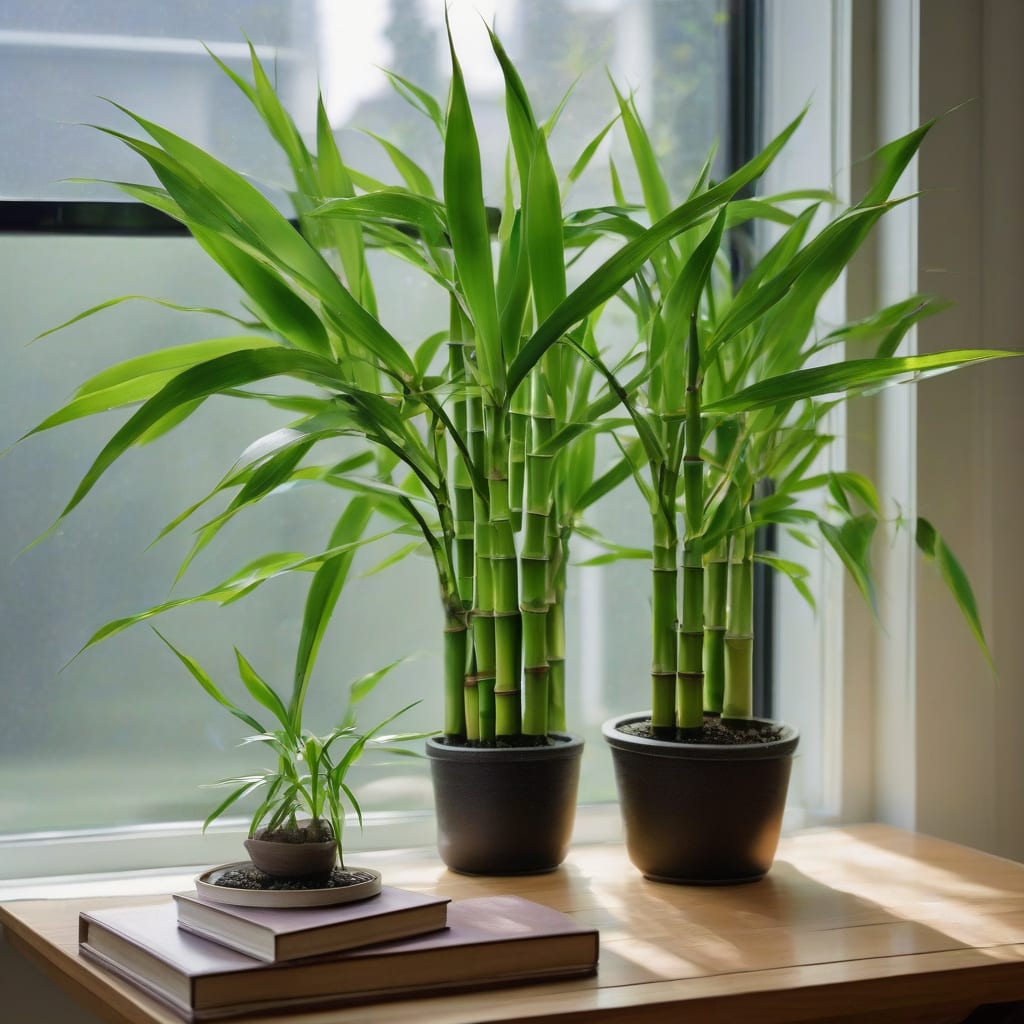
I’ve always been fascinated by the Lucky Bamboo 🌿 plant’s ability to thrive in various conditions. Growing up, I saw these plants in many homes, their twisted stalks adding a touch of elegance to any room.
If you’re wondering how tall your Lucky Bamboo can grow, the answer depends on several factors, including growing conditions and care practices. Let’s explore what affects their height and how to encourage healthy growth.
Lucky bamboo plants are popular for their unique appearance and low-maintenance requirements. Their growth is influenced by several key factors that determine their maximum height.
The lighting conditions play a crucial role in the growth of lucky bamboo plants. They can thrive in low light environments, but optimal growth occurs in bright, indirect light. The amount of light directly affects the plant’s ability to undergo photosynthesis, which is essential for growth.
Water quality is another critical factor. Lucky bamboo plants are sensitive to chemicals found in tap water, such as fluoride and chlorine. Using filtered or bottled water helps prevent damage to the plant.
The temperature at which lucky bamboo plants are kept is vital. They prefer temperatures between 65-75°F (18-24°C). Avoid placing them near drafts, air conditioning vents, or heating radiators, as sudden temperature changes can stress the plant.
Fertilization is also important, although lucky bamboo plants don’t require a lot of fertilizer. During the growing season, a balanced, water-soluble fertilizer can be used to promote healthy growth. It’s essential to follow the manufacturer’s instructions to avoid over-fertilizing.
By understanding and controlling these factors, you can create an optimal environment for your lucky bamboo plant to grow. Proper care and attention to these details will help your plant reach its full potential height.
Lucky bamboo plants are known for their adaptability and can grow in various environments. Their growth is a gradual process that requires patience and consistent care 🌿.
Regular maintenance, such as changing the water and trimming dead leaves, is necessary to keep the plant healthy. By following these care practices, you can enjoy a thriving lucky bamboo plant that adds beauty to your space.
The maximum height of a lucky bamboo plant is influenced by a combination of environmental conditions and care practices. By optimizing these factors, you can encourage your plant to grow tall and healthy 🌟.
Lucky bamboo plants are known for their unique growth patterns and ability to thrive in various conditions. The maximum height of these plants is a common inquiry among gardeners and enthusiasts 🌿.
Typically, lucky bamboo plants can grow between 1 to 3 feet tall. However, some exceptional cases have been reported where plants have reached heights of up to 5 feet or more under ideal conditions 🌟.
Bright, indirect light promotes healthy growth and maximum height potential.
Using filtered water prevents chemical damage and supports growth.
Light feeding during growing seasons enhances overall plant health.
The height of lucky bamboo plants is influenced by several factors, including lighting conditions, water quality, and fertilization practices. By optimizing these factors, you can encourage your lucky bamboo to reach its maximum height potential 🌱.
Regular maintenance, such as changing the water and trimming dead leaves, is also crucial for maintaining a healthy plant. By following these care practices, you can enjoy a thriving lucky bamboo plant that adds beauty to your space 🌸.
In conclusion, while the typical height range for lucky bamboo plants is between 1 to 3 feet, proper care and ideal conditions can lead to taller growth. Understanding and controlling the factors that influence height can help you grow a healthy and robust lucky bamboo plant 🌿.
To encourage your lucky bamboo plant to grow tall and healthy, it’s essential to provide optimal care. One of the most critical factors is lighting. Lucky bamboo plants can thrive in low light conditions, but they grow best in bright, indirect light. Placing them near a north-facing window is ideal 🌞.
Rotate your lucky bamboo plant regularly to ensure even growth and prevent leaning towards the light source 🔄.
Water quality is another vital aspect. Use filtered or bottled water to prevent damage from chemicals like fluoride and chlorine found in tap water. Changing the water weekly helps maintain a healthy environment 💧.
Temperature control is also crucial. Keep your lucky bamboo plant in an area with a consistent temperature between 65-75°F (18-24°C). Avoid placing it near drafts, air conditioning vents, or heating radiators to prevent stress ❄️.
Fertilization can enhance growth. During the growing season, use a balanced, water-soluble fertilizer at half the recommended strength. This provides necessary nutrients without over-fertilizing 🌱.
By following these care tips, you can create an optimal environment for your lucky bamboo plant to grow tall and thrive. Regular maintenance and attention to these details will help your plant reach its full potential height 🌿.
