
Beautiful Plants For Your Interior
Beautiful Plants For Your Interior
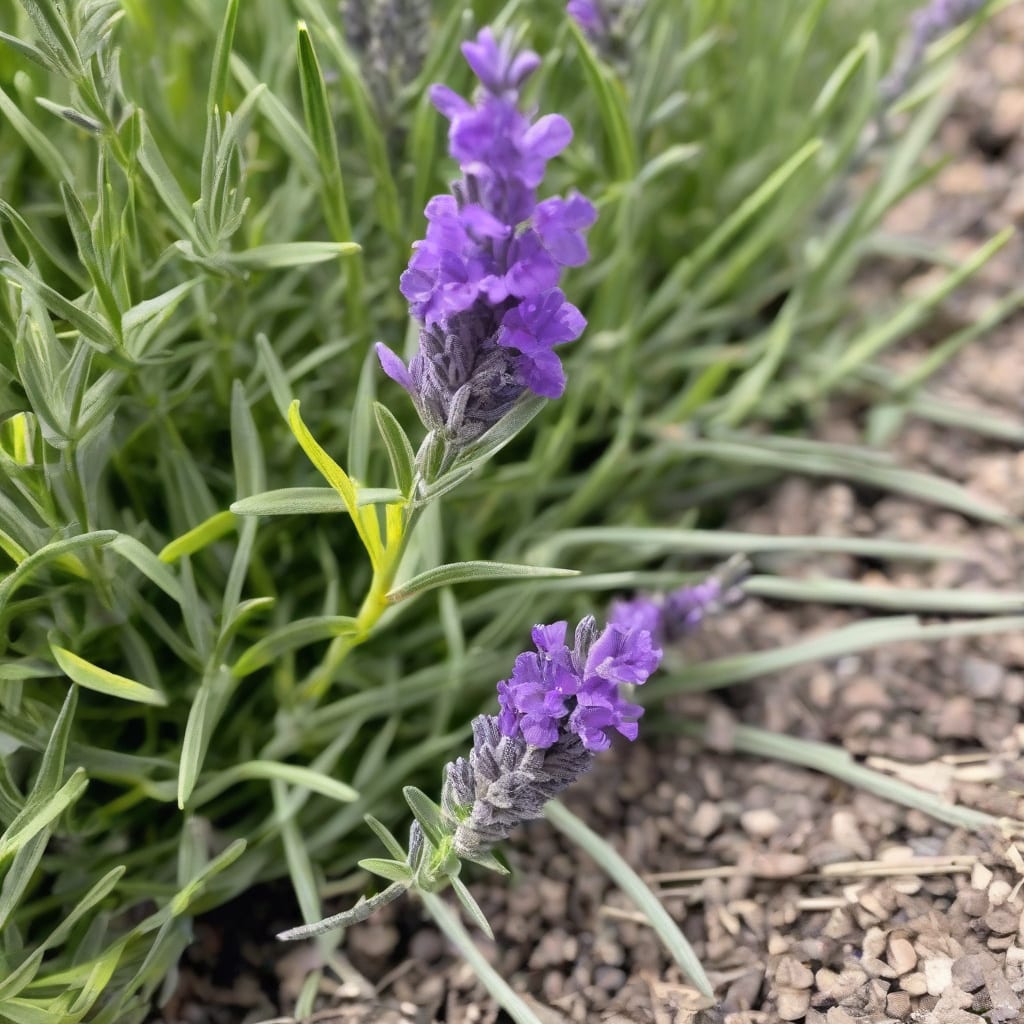
When I first planted Lavender 💜 in my garden, I wondered how tall it would grow. Understanding the growth potential of this beautiful plant is crucial for proper placement and care.
Lavender typically grows between 2-3 feet tall, but factors like soil quality, climate, and variety can influence its maximum height. Let’s explore what you can expect from this lovely shrub.


When it comes to understanding how tall lavender can grow, several factors come into play. The height of lavender plants is influenced by their environment and the specific variety being grown. Let’s explore these factors in more detail.
The soil quality is crucial for lavender growth. Well-draining soil is essential as lavender doesn’t thrive in waterlogged conditions. Soil that’s too rich can also be detrimental, as it can cause the plant to become leggy 🌿.
Climate conditions also play a significant role. Lavender prefers dry, sunny environments. High humidity can be detrimental, potentially leading to root rot. In areas with high rainfall, it’s essential to ensure good air circulation around the plants 🌻.
The variety of lavender is another critical factor. Different types of lavender have varying growth habits and maximum heights. For instance, English lavender tends to be more compact, while some French lavender varieties can grow taller 🌼.
Pruning practices significantly impact lavender height. Regular pruning helps maintain a bushy shape and prevents the plant from becoming too leggy. It’s recommended to prune lavender in early spring or after flowering 💪.
Nutrient availability affects lavender growth. While lavender doesn’t require a lot of fertilizer, it does benefit from some nutrients. A balanced fertilizer applied during the growing season can support healthy growth 🌿.
Sunlight exposure is vital for lavender. The plant requires full sun to thrive, meaning it needs at least 6 hours of direct sunlight per day ☀️.
By understanding these factors, gardeners can better predict and manage the height of their lavender plants. Whether you’re growing lavender in a container or in the ground, being aware of these influences will help you provide the best conditions for your plants to flourish 🌟.
Lavender’s height can vary significantly based on the factors mentioned. By optimizing conditions and choosing the right variety, you can enjoy a healthy and fragrant lavender plant in your garden 🌼.
Regular monitoring and appropriate care will ensure that your lavender plants remain healthy and vibrant. This includes being mindful of the soil, climate, and pruning needs 🌿.
With the right conditions and care, lavender can be a beautiful addition to any garden. Its height will be influenced by a combination of environmental factors and the specific variety 🌱.
When it comes to understanding how tall lavender can grow, the variety plays a significant role. Different types of lavender have distinct growth habits and maximum heights. Let’s explore the height ranges for some popular lavender varieties.
English lavender (Lavandula angustifolia) is known for its compact growth, typically reaching heights of 1-2 feet. This variety is ideal for borders and containers where space is limited 🌿.
French lavender (Lavandula dentata) tends to grow taller, reaching heights of 2-3 feet. This variety is known for its upright growth habit and can become leggy if not pruned regularly 🌼.
Spanish lavender (Lavandula stoechas) also grows to be around 2-3 feet tall. It has a bushy growth habit and is known for its showy, butterfly-like flowers 🌸.
Understanding the maximum height of different lavender varieties helps gardeners choose the right plant for their space and needs. Whether you’re looking for a compact border plant or a taller specimen for the back of a border, there’s a lavender variety to suit 🌿.
By selecting the appropriate lavender variety and providing the right growing conditions, you can enjoy these beautiful plants at their best. Lavender’s height can vary, but with proper care, it will thrive in your garden 💜.
I always emphasize proper pruning techniques when it comes to maintaining the desired height of lavender plants. Regular pruning not only controls the height but also promotes healthier growth and more abundant flowering 🌿.
Prune lavender in early spring or after flowering to maintain shape and encourage new growth. Remove up to one-third of the plant’s height to prevent woody stems.
Pruning is essential for maintaining lavender height. I recommend pruning in early spring before new growth begins, or after flowering in late summer. This helps maintain a bushy shape and prevents the plant from becoming too leggy 💪.
When pruning, I always remove any dead or damaged wood first. Then, I shape the plant by cutting back about one-third of the overall height. This encourages new growth from the base and keeps the plant compact 🌸.
Regular maintenance is key to keeping lavender at the desired height. Besides pruning, ensure your lavender receives full sun and is planted in well-draining soil. Avoid over-fertilizing, as this can lead to excessive growth ☀️.
By following these pruning and care tips, you can effectively manage the height of your lavender plants and enjoy their beauty and fragrance for years to come 🌼.
I find that with proper care, lavender plants can thrive and maintain a healthy height between 2-3 feet. This makes them perfect for various garden settings, from borders to container gardens 💜.
