
Beautiful Plants For Your Interior
Beautiful Plants For Your Interior
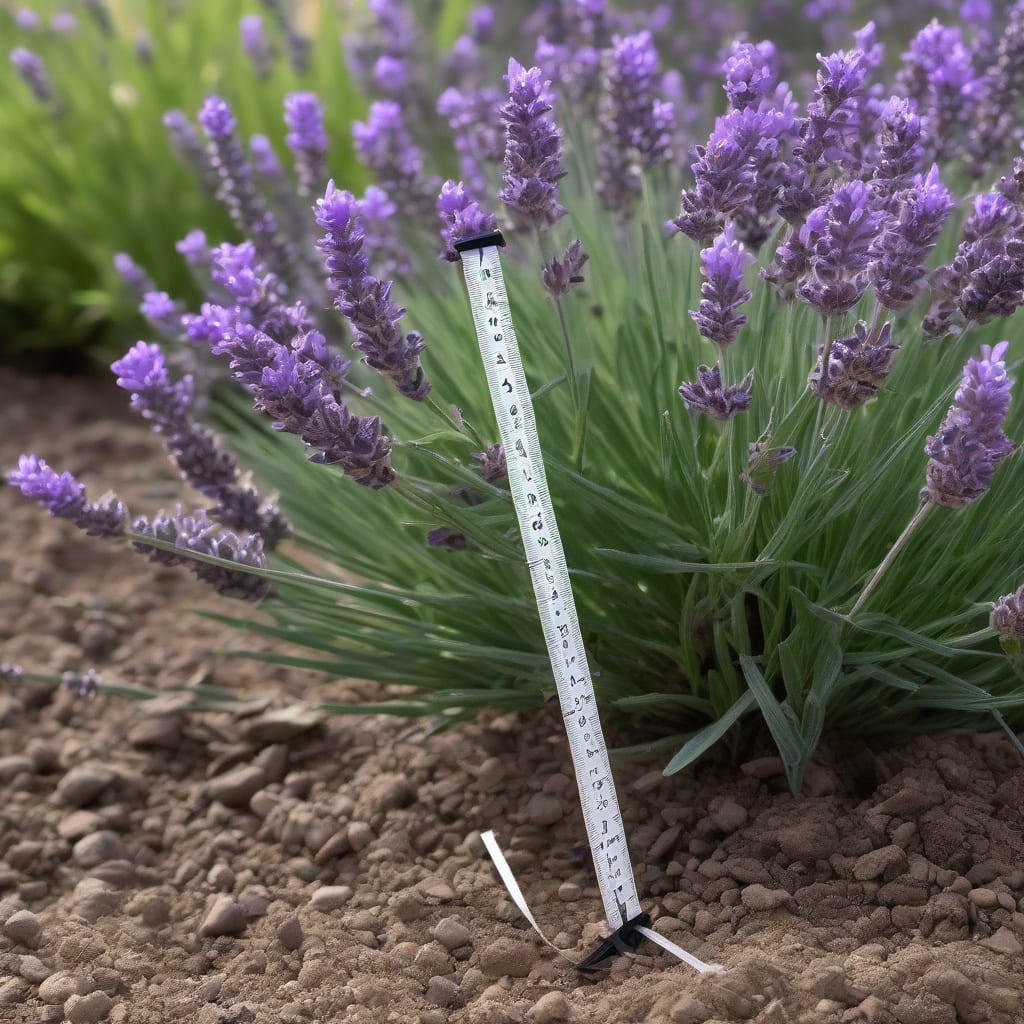
I’ve always been fascinated by Lavender 💜 plants – their beauty, fragrance, and versatility make them a gardener’s delight. But one question I get asked frequently is about their growth potential.
Understanding how tall Lavender plants can grow is crucial for proper garden planning, especially in USDA Zone 6 where they thrive. Let’s explore what you can expect from these lovely plants.


Lavender plant height is influenced by several key factors that every gardener should understand. The variety of lavender is perhaps the most significant determinant, as different types have distinct growth habits. For instance, English lavender tends to be more compact, while some Spanish varieties can grow taller 🌿.
Other crucial factors include growing conditions and care practices. Soil quality, sunlight exposure, and watering habits all play vital roles in determining how tall your lavender plants will grow. Let’s examine these factors more closely to understand their impact.
The specific lavender variety you’re growing makes a significant difference in its potential height. English lavender, for example, typically grows between 1-2 feet tall, while Spanish lavender can reach heights of 2-3 feet or more. Understanding your variety’s characteristics is essential for managing expectations about plant height 🌻.
Growing conditions also play a critical role in determining lavender plant height. These plants thrive in full sun and well-draining soil, conditions that promote healthy growth. In areas with poor drainage or insufficient sunlight, lavender plants may not reach their full height potential. Ensuring optimal growing conditions is key to maximizing plant height 🔑.
In terms of care practices, regular pruning is crucial for managing lavender height. Cutting back plants after flowering helps maintain shape and encourages bushy growth. Proper watering and fertilization practices also contribute to healthy plant development, though lavender is generally drought-tolerant and doesn’t require heavy feeding 💧.
By understanding these factors and how they interact, gardeners can better predict and manage the height of their lavender plants. Whether you’re looking for compact varieties or taller specimens, being aware of these influences will help you achieve your gardening goals 🌟.
Lavender plants are known for their relatively low maintenance requirements, making them an excellent choice for gardeners of all experience levels. Their height can vary significantly based on the factors mentioned, but with proper care, most lavender plants will thrive and reach their expected height ranges 🌱.
The height potential of lavender plants is an important consideration for garden design. Whether you’re creating a compact border or a larger landscape feature, knowing how tall your lavender will grow helps in planning the overall aesthetic and maintenance needs of your garden 📐.
For gardeners in USDA Zone 6, where lavender is well-suited, understanding the local climate conditions and how they affect plant height is particularly important. The zone’s temperature fluctuations and frost patterns can influence growth, making it essential to choose varieties that are known to perform well in similar conditions ❄️.
Ultimately, the height of lavender plants is a result of a combination of variety selection, growing conditions, and care practices. By optimizing these factors, gardeners can enjoy healthy, thriving lavender plants that add beauty and fragrance to their gardens for years to come 🌼.
In conclusion, while lavender plants have inherent height potentials based on their variety, their actual height is significantly influenced by growing conditions and care practices. By understanding and optimizing these factors, gardeners can better manage the height of their lavender plants to suit their garden designs and needs 🌿.
When it comes to lavender plants, understanding their height expectations is crucial for garden planning. Different lavender varieties have distinct growth habits that determine their mature height 🌿.
The height of lavender plants can vary significantly based on their type. Let’s examine the average height expectations for some popular lavender varieties to help you plan your garden effectively.
English lavender is known for its compact growth habit, typically reaching heights of 1-2 feet. This makes it an excellent choice for borders, containers, or low-maintenance gardens 🌼.
Spanish lavender, on the other hand, tends to grow taller, reaching heights of 2-3 feet. Its more vigorous growth habit makes it suitable for hedges or background plantings 🌿.
French lavender generally falls within the 1-2 feet height range, similar to English lavender. However, it may require slightly more protection in colder climates due to its tender nature ❄️.
When selecting a lavender variety, it’s essential to consider not just the height, but also the growth habit and hardiness. This ensures that your chosen plants will thrive in your specific garden conditions and meet your design needs 📐.
Understanding these height expectations helps gardeners plan more effectively, whether they’re creating a compact herb garden or a larger landscape feature. By choosing the right lavender variety for your space, you can enjoy these beautiful plants to their full potential 🌟.
For gardeners in USDA Zone 6, where lavender thrives, these height expectations provide a valuable guide for planning and maintenance. Proper care and variety selection will help ensure that your lavender plants reach their expected heights and remain healthy throughout the growing season 🌱.
In summary, different lavender types have distinct height expectations that are crucial for garden planning. By understanding these differences, gardeners can make informed decisions about variety selection and garden design, ultimately leading to more successful and beautiful lavender displays 🌼.
Managing lavender plant height is crucial for maintaining a beautiful and functional garden. I recommend starting with proper pruning techniques to control height and encourage bushy growth 🌿.
Prune lavender plants immediately after flowering to maintain shape and promote new growth. Cut back about one-third of the plant’s height to encourage bushier growth.
Pruning is the most effective way to manage lavender height. By cutting back your lavender plants after they finish blooming, you not only control their height but also stimulate new growth and improve their overall appearance 🌼.
In addition to pruning, optimizing growing conditions plays a significant role in managing lavender plant height. Ensure your lavender receives full sun and is planted in well-draining soil. These conditions help promote healthy growth and prevent the plant from becoming leggy 🔑.
Variety selection is another critical factor in managing lavender height. If you’re looking for a more compact growth habit, choose varieties known for their smaller size, such as English lavender or French lavender. For taller hedges or background plantings, consider varieties like Spanish lavender 🌻.
By combining these strategies—pruning, optimizing growing conditions, and selecting the right variety—you can effectively manage the height of your lavender plants and create a beautiful, thriving garden that meets your needs 🌟.
