
Beautiful Plants For Your Interior
Beautiful Plants For Your Interior
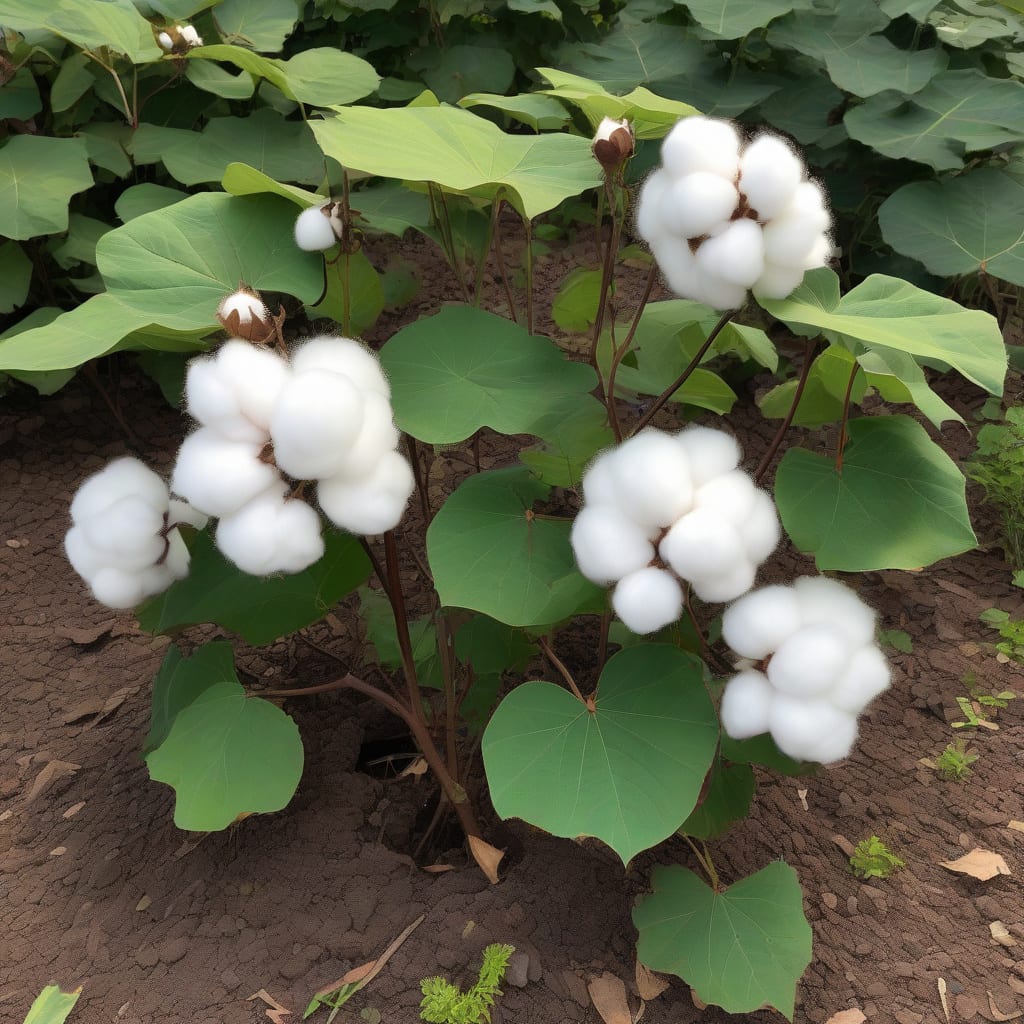
Cotton plants 🌿 can grow to varying heights depending on factors like soil quality and climate. In ideal conditions, they can reach heights of 2 to 6 feet, making them a notable presence in any garden or farm.
Understanding how tall cotton plants can grow is crucial for optimizing their growth and yield. I’ll explore the different factors that affect cotton plant height and provide tips on how to manage them for a successful harvest.


Cotton plant height is influenced by several key factors that farmers and gardeners need to consider for optimal growth. The variety of cotton being grown plays a significant role, as different types have been bred for specific growth habits and heights 🌿.
Soil quality is another critical factor affecting cotton plant height. Well-draining soil with adequate nutrient content, particularly nitrogen, phosphorus, and potassium, supports healthy growth. Soil pH also impacts nutrient availability and plant height.
Climate conditions also significantly impact cotton plant height. Factors such as temperature, rainfall, and sunlight exposure can either promote or hinder growth. Cooler temperatures and drought conditions can limit plant height.
Farming practices, including irrigation, pruning, and fertilization, also play a crucial role in determining cotton plant height. Proper management of these practices can help optimize plant growth and yield.
Cotton plants require consistent moisture, especially during critical growth stages. Adequate irrigation ensures that plants receive the necessary water for optimal growth. However, overwatering can be detrimental, leading to excessive vegetative growth at the expense of fruiting.
Pruning is another technique used to manage cotton plant height. By removing certain branches or topping the plants, farmers can control the overall height and promote a more balanced growth pattern. This practice helps in achieving a uniform crop canopy and improving air circulation, which can reduce disease incidence.
In addition to irrigation and pruning, fertilization is vital for healthy cotton plant growth. Applying the right type and amount of fertilizer at the appropriate time can significantly impact plant height and overall productivity. Farmers often use soil testing to determine nutrient deficiencies and adjust their fertilization strategies accordingly.
The timing of planting also affects cotton plant height. Planting at the optimal time ensures that the crop has the best chance to grow under favorable conditions. In many regions, cotton is planted in late spring after the last frost, allowing the plants to take full advantage of the growing season.
Understanding these factors and how they interact is essential for managing cotton plant height effectively. By considering the variety, soil quality, climate conditions, and farming practices, farmers can optimize their cotton crop’s growth and maximize their yield 🌾.
Effective management of cotton plant height not only improves yield but also facilitates easier harvesting and reduces the risk of certain pests and diseases. By adopting sustainable farming practices and staying informed about the latest research and techniques, cotton growers can achieve better outcomes and contribute to a more productive agricultural sector.
Cotton plants typically grow between 2 to 6 feet tall, depending on the variety and growing conditions 🌿. Understanding the different growth stages is crucial for optimizing plant height and yield.
Cotton seeds germinate within 7-10 days after planting, emerging as small seedlings 🌱.
Seedlings develop their first true leaves within 1-2 weeks after germination, marking the beginning of rapid growth 🌿.
Cotton plants begin to produce flowers around 60-90 days after planting, signaling the start of the reproductive phase 💐.
The cotton bolls mature and open, revealing the cotton fibers, typically 150-180 days after planting 🌾.
The height of cotton plants can vary significantly based on factors such as soil quality, climate conditions, and farming practices. Optimal growing conditions can result in taller plants with higher yields 🌼.
Farmers can manage cotton plant height through techniques like pruning, irrigation management, and fertilization. These practices help in achieving a balanced growth pattern and maximizing yield.
Understanding the growth stages of cotton plants is essential for effective crop management. By recognizing the different stages, farmers can apply the appropriate management strategies to optimize plant height and overall productivity 🌱.
Cotton plants generally reach their maximum height during the flowering and boll formation stages. Proper care during these stages is crucial for achieving optimal height and yield 🌻.
Effective management of cotton plant height not only improves yield but also facilitates easier harvesting and reduces the risk of certain pests and diseases. By adopting sustainable farming practices and staying informed about the latest research and techniques, cotton growers can achieve better outcomes and contribute to a more productive agricultural sector 🌾.
Effective management of cotton plant height is crucial for achieving optimal yield and quality. Farmers can employ several techniques to manage plant height, including pruning, irrigation management, and nutrient management 🌿.
Monitor soil moisture closely and adjust irrigation based on plant growth stage and weather conditions for optimal height management.
Pruning is a critical practice in managing cotton plant height. By removing certain branches or topping the plants, farmers can control the overall height and promote a more balanced growth pattern. This helps in achieving a uniform crop canopy and improving air circulation, reducing disease incidence 🌻.
Irrigation management plays a vital role in controlling cotton plant height. Adequate moisture is essential during critical growth stages, but overwatering can lead to excessive vegetative growth. Farmers should monitor soil moisture and adjust irrigation accordingly to maintain optimal plant height 💧.
Nutrient management is also essential for healthy cotton plant growth. Applying the right type and amount of fertilizer at the appropriate time can significantly impact plant height and overall productivity. Farmers should use soil testing to determine nutrient deficiencies and adjust their fertilization strategies accordingly 🌾.
By combining these techniques, farmers can effectively manage cotton plant height, leading to improved yields and easier harvesting. Adopting sustainable farming practices and staying informed about the latest research and techniques can further enhance cotton production 🌼.
Proper management of cotton plant height not only improves yield but also reduces the risk of certain pests and diseases, contributing to a more productive agricultural sector 🌱.
