
Beautiful Plants For Your Interior
Beautiful Plants For Your Interior
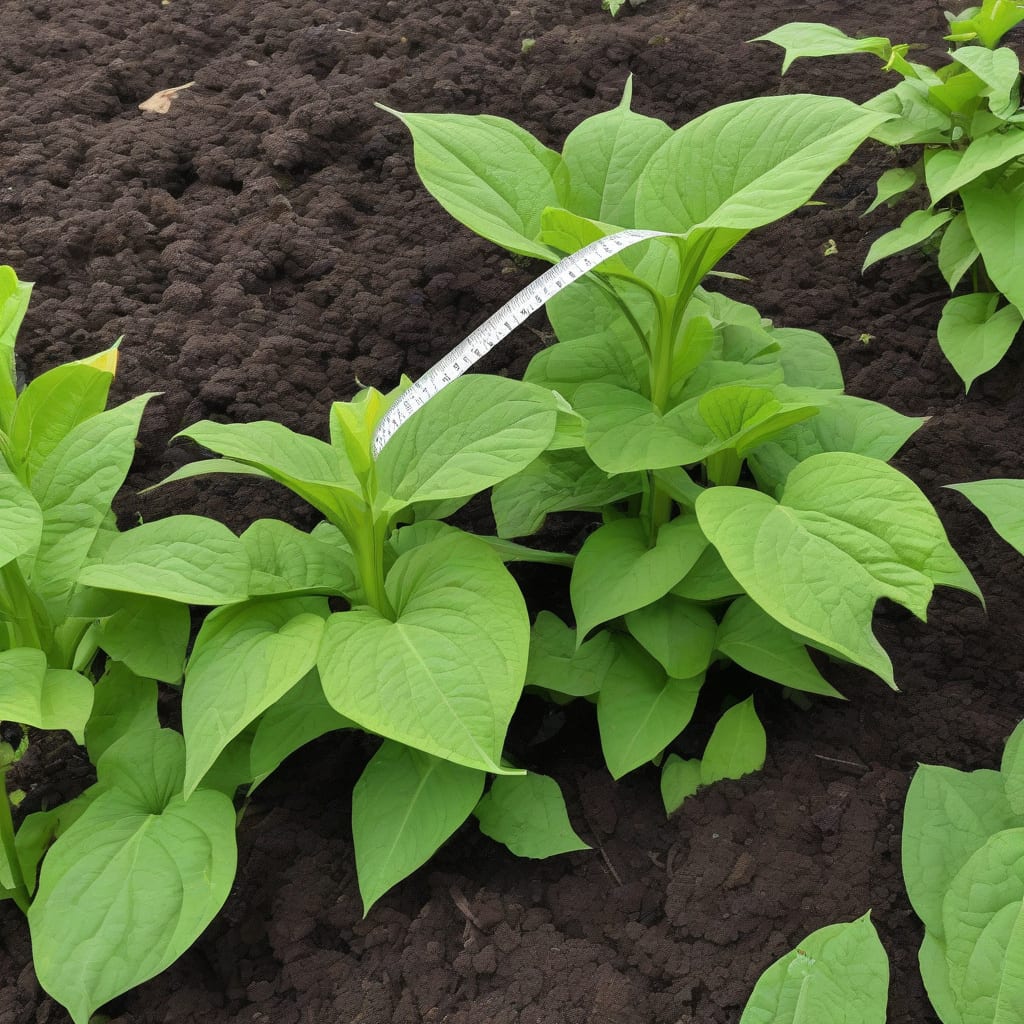
When growing Tobacco 🌿, one of the most common questions is about their height. Tobacco plants can grow quite tall, typically reaching heights of 4 to 6 feet, depending on the variety and growing conditions.
Understanding the factors that affect their growth can help you manage their height effectively. Let’s explore what influences Tobacco plant height and how you can optimize their growth in your garden in USDA Zone 6.


Tobacco plants can grow to varying heights depending on several key factors. The genetic makeup of the plant plays a significant role in determining its maximum height potential. Different tobacco varieties have distinct growth characteristics that influence their final height 🌿.
Soil conditions are another critical factor affecting tobacco plant height. Nutrient-rich soil with proper pH levels can support healthier plant growth, while poor soil quality can limit a plant’s ability to reach its full height potential.
The climate in which tobacco plants are grown also significantly impacts their height. Weather conditions such as temperature and rainfall can either promote or hinder plant growth. Areas with long growing seasons and adequate moisture tend to produce taller plants.
Farming practices, including techniques like pruning and topping, can be used to control the height of tobacco plants. These practices not only manage the plant’s height but also improve the overall yield and quality of the tobacco crop 🌱.
Understanding these factors is crucial for growers who want to optimize their tobacco plant’s height. By considering genetics, soil quality, climate, and farming practices, growers can make informed decisions to achieve their desired plant height and maximize their crop’s potential.
Tobacco plants generally thrive in well-drained soil with a pH between 5.5 and 6.5. The ideal temperature range for growth is between 65°F to 85°F (18°C to 30°C). These conditions, combined with appropriate farming techniques, can help tobacco plants reach their optimal height.
In regions with long growing seasons, tobacco plants have more time to mature and can grow taller. Conversely, in areas with shorter growing seasons, plants may not reach their full height potential due to the limited time available for growth.
By carefully managing the factors that influence tobacco plant height, growers can cultivate healthier, more productive plants. This not only improves the yield but also enhances the quality of the tobacco leaves, making them more valuable for various applications.
Effective management of tobacco plant height requires a comprehensive understanding of the factors at play. By optimizing genetics, soil conditions, climate, and farming practices, growers can achieve better results and improve their overall crop performance.
In conclusion, the height of tobacco plants is influenced by a combination of genetic, environmental, and cultural factors. By understanding and managing these factors, growers can optimize their tobacco plant’s growth and achieve the desired height for their specific needs.
Tobacco plants come in various types, each with its own growth characteristics. The height of tobacco plants can vary significantly depending on the specific variety being cultivated. Understanding these differences is crucial for growers to manage their crops effectively 🌿.
Different tobacco varieties have been developed for various purposes, including flue-cured, Burley, Oriental, and hybrid types. Each of these varieties has its own typical height range, influenced by factors such as genetics and growing conditions.
The Burley tobacco variety is known for its robust growth, typically reaching heights of 4 to 6 feet. This variety is often used for air-curing and is characterized by its large leaves.
Virginia tobacco, on the other hand, tends to be slightly shorter, with heights ranging from 3 to 5 feet. It is commonly flue-cured and known for its bright leaves.
Oriental tobacco plants are generally more compact, growing to heights of 2 to 4 feet. They are sun-cured and have smaller leaves compared to other varieties.
Hybrid tobacco varieties have been developed to combine desirable traits from different types. These plants often grow to be 4 to 6 feet tall and are known for their disease resistance and robust growth.
Understanding the typical height of different tobacco plant varieties helps growers choose the most suitable type for their specific needs and growing conditions 🌼.
By selecting the appropriate tobacco variety, growers can better manage their crop’s height and optimize their cultivation practices for improved yield and quality.
The height of tobacco plants can also be influenced by factors such as soil quality, climate, and farming practices. By considering these factors in conjunction with the variety’s growth characteristics, growers can achieve better results.
In conclusion, the average height of tobacco plants varies by variety, with different types exhibiting distinct growth patterns. By understanding these differences, growers can make informed decisions to optimize their tobacco crop’s performance.
Effective management of tobacco plant height is crucial for optimizing crop yield and quality. One of the primary techniques used is topping, which involves removing the flowering bud at the top of the plant. This process encourages the plant to direct its energy towards leaf production rather than flowering and seed production.
Remove the flowering bud when it appears to promote leaf growth and control height.
Pruning is another essential technique for managing tobacco plant height. By selectively removing lower leaves and suckers (shoots that grow between the main stem and branches), growers can control the plant’s overall height and promote healthier growth 🌱.
The timing of topping and pruning is critical. These practices should be performed when the plants are still relatively young and actively growing. This helps to maximize the plant’s energy expenditure on leaf development.
In addition to topping and pruning, other cultivation practices can influence tobacco plant height. Proper spacing between plants, adequate nutrition, and effective pest management all contribute to healthy plant growth and optimal height management.
By implementing these techniques, growers can better manage the height of their tobacco plants, leading to improved crop yields and quality. Understanding and applying these practices effectively is key to successful tobacco cultivation 🌼.
