
Beautiful Plants For Your Interior
Beautiful Plants For Your Interior
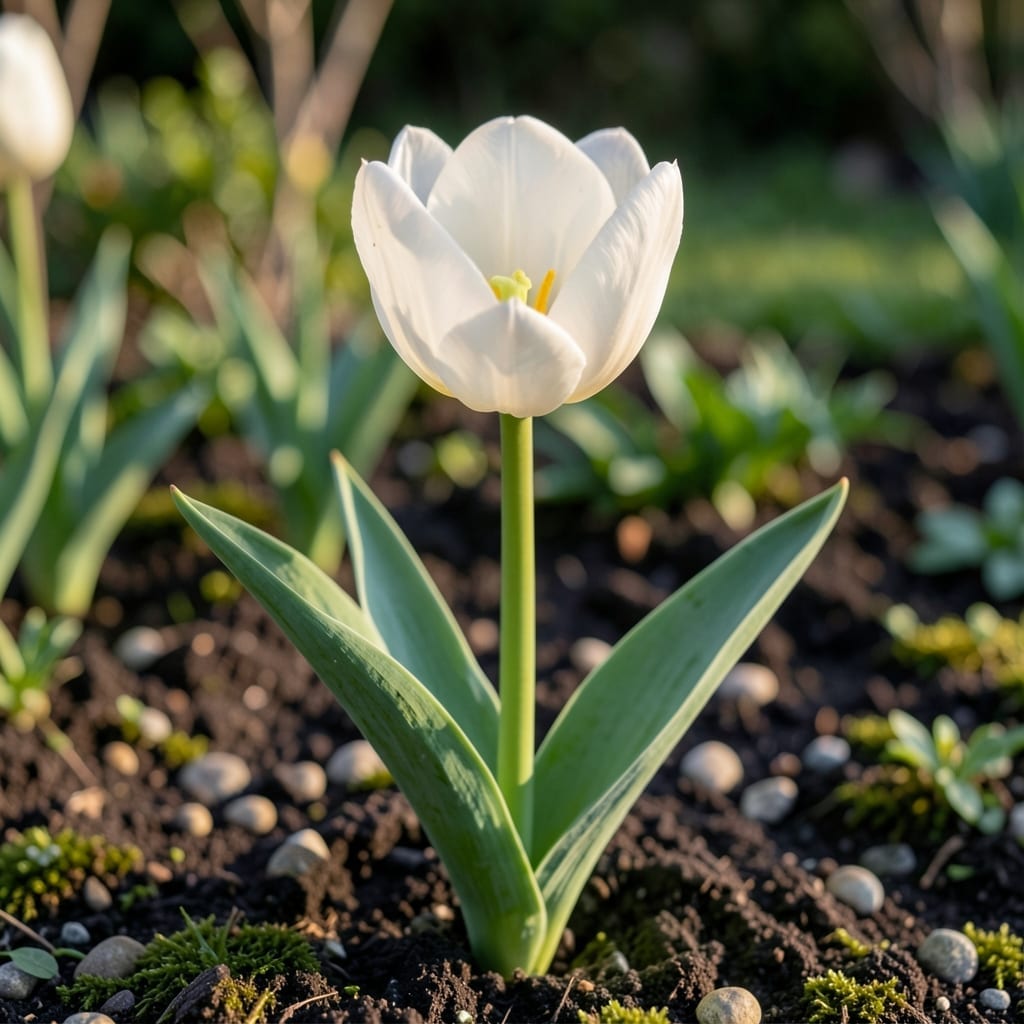
White tulips failing to open often result from temperature extremes, blind bulbs, or poor nutrition. Healthy bulbs in well-drained soil with consistent moisture usually bloom properly.
I’ve seen this happen most often when bulbs are planted too shallow or in poorly draining spots. Blind bulbs—those that never formed a flower inside—are another common culprit, often caused by stress from the previous season. Proper fall planting at the right depth and a balanced organic fertilizer can prevent most of these issues. 🌟
💡 In This Article
Temperature swings are a primary culprit for closed tulips. When bulbs experience late freezes or sudden heatwaves above 75°F, their internal flower buds can abort development. This is because the flower formation process, which begins the previous summer, gets disrupted by extreme temperature changes. The ideal range for bud development is 40-60°F during spring growth.
🔥
Blind bulbs often result from stress during the prior growing season. If bulbs were overcrowded, underfed, or planted in waterlogged soil, they may lack the energy to produce flowers. Planting depth matters too: bulbs placed too shallow (2 inches deep) can freeze, while those too deep (8+ inches) may struggle to emerge.
Proper spacing of 4-6 inches apart prevents competition for nutrients. ✨
Nutrient deficiencies can also prevent blooming. Tulips need phosphorus for flower formation, which is often lacking in sandy or clay soils. A soil test revealing low phosphorus (below 20 ppm) signals the need for bone meal or rock phosphate. Nitrogen-heavy fertilizers promote leaf growth but may reduce flowering if phosphorus and potassium are insufficient. 💫
Disease plays a role too. Tulip fire (caused by Botrytis tulipae) creates spotted leaves and stunted growth, while bulb rot from poor drainage can destroy the flower bud entirely. These issues often appear as yellowing foliage or mushy bulbs when dug up. Fungal spores thrive in wet, humid conditions above 70°F. ⚡
Even healthy bulbs may fail if planted in the wrong location. Full sun (6+ hours daily) is essential, as shade can weaken stems and prevent flowers from opening. Wind exposure can also damage emerging buds, especially in coastal areas where salt spray may further stress the plants.
Extreme temperatures, blind bulbs, or poor nutrition are common causes. Late freezes or heat above 75°F can disrupt flower development, while shallow planting or waterlogged soil may prevent blooming entirely.
Plant bulbs 6-8 inches deep for best results. Shallower planting risks freezing, while deeper bulbs may struggle to emerge. Proper depth protects from temperature swings and encourages strong root growth.
No—high-nitrogen fertilizers promote leaf growth but may reduce flowering. Instead, use phosphorus-rich organic options like bone meal or rock phosphate to encourage blooms. Balance with compost for slow-release nutrients.
Spray emerging shoots with neem oil or a baking soda solution (1 tsp per quart of water). Remove spotted foliage immediately, and rotate planting locations yearly to prevent soil-borne diseases.