
Beautiful Plants For Your Interior
Beautiful Plants For Your Interior
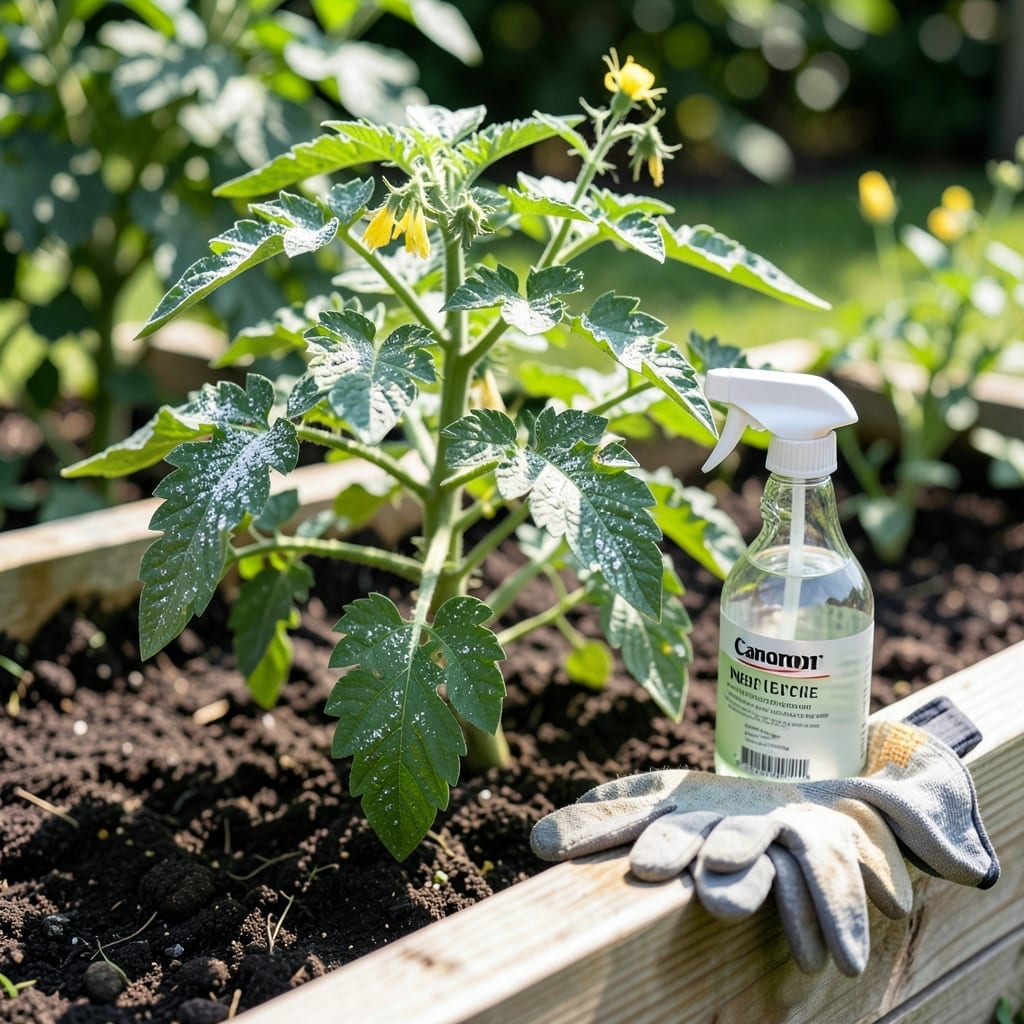
Neem oil is a natural antifungal that disrupts fungal growth on plants. Dilute it with water and a mild soap, then spray on affected areas for effective treatment without harsh chemicals.
I’ve seen neem oil work wonders against powdery mildew and leaf spot because its active compounds like azadirachtin interfere with fungal reproduction at a cellular level. This makes it particularly effective as a preventative measure when applied before infections take hold. The key is consistency—regular applications every 7-10 days build plant resistance over time. ✨
💡 In This Article
Neem oil contains over 70 active compounds, with azadirachtin being the star player. This limonoid disrupts fungal cell membrane integrity, causing critical nutrients to leak out. The oil’s triterpenes also inhibit spore germination by interfering with the fungal respiration process at a mitochondrial level. 🔥
Beyond direct attack, neem oil stimulates plant systemic resistance. It triggers the production of pathogenesis-related proteins that create a hostile environment for fungi. Plants treated with neem develop thicker cell walls and produce defensive compounds like phenols and terpenoids that repel invaders.
The oil’s hydrophobic nature allows it to coat plant surfaces, creating a protective barrier that prevents fungal spores from attaching. This physical barrier works in tandem with the biochemical effects, providing both immediate and long-term protection. The coating also reduces water loss, helping stressed plants recover faster. ✨
Research shows neem oil achieves 80-90% efficacy against powdery mildew when applied preventatively. Its multi-target approach makes resistance development extremely unlikely, unlike single-mode synthetic fungicides. The oil remains effective for 3-5 days after application before requiring reapplication.
Interestingly, neem’s antifungal properties extend beyond the oil itself. The seed cake left after oil extraction contains residual compounds that can be used as a soil amendment, providing root-zone protection against soil-borne fungi like Fusarium and Phytophthora. 💫
For prevention, apply every 7-10 days during the growing season. This consistent schedule helps build plant resistance before infections take hold.
Most plants tolerate neem oil well, but always test on a small area first. Delicate plants like ferns or some orchids may show sensitivity, especially at higher concentrations.
Early morning or late evening is ideal. Avoid spraying during the hottest part of the day as the oil may burn leaves when combined with direct sunlight.
The oil remains effective for about 3-5 days after application. Reapply after rain or when new growth appears, as these can reduce the protective coating.
When used correctly, neem oil has minimal impact on beneficial insects like bees. However, avoid spraying directly on them or during peak pollination hours.