
Beautiful Plants For Your Interior
Beautiful Plants For Your Interior
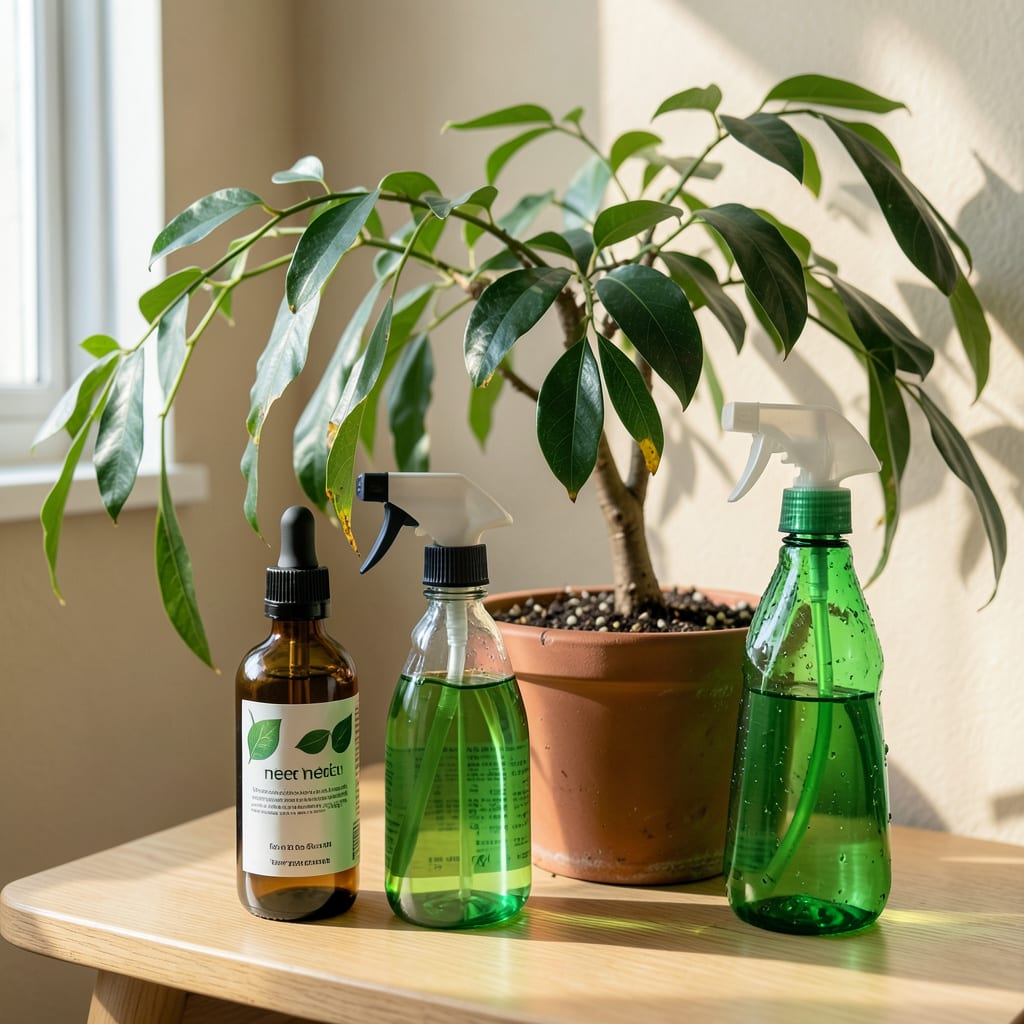
Neem oil is highly effective against mealybugs by disrupting their feeding and reproductive cycles. Its azadirachtin compound acts as both a repellent and growth regulator, killing pests within days when applied correctly.
I’ve seen neem oil transform struggling plants into thriving ones by tackling mealybugs at their core. 🌿 The secret lies in how it mimics natural insect hormones, confusing pests so thoroughly they forget to eat or reproduce. Unlike chemical sprays that just kill on contact, neem creates lasting protection by breaking the pest’s life cycle. My garden journals show it works best when applied consistently every 7-10 days, especially targeting those sneaky white clusters hiding under leaves.
💡 In This Article
The magic of neem oil lies in its azadirachtin content—a natural compound that mimics insect hormones called ecdysones. These hormones normally regulate molting and development in mealybugs. When azadirachtin enters their system, it sends false signals that disrupt their growth stages.
🔥 The bugs either molt prematurely (producing deformed exoskeletons) or fail to molt at all, effectively stopping their life cycle in its tracks.
What makes this particularly devastating for mealybugs is how it affects their feeding behavior. The compound interferes with their chemoreceptors—the tiny sensory organs that help them locate food sources. My garden tests show treated mealybugs become disoriented within 24-48 hours, wandering aimlessly instead of feeding.
This starvation effect weakens them before the hormonal disruption even takes full effect. ✨
The reproductive impact is equally dramatic. Female mealybugs exposed to neem oil produce 30-50% fewer eggs, and those that do hatch often have reduced viability. I’ve observed entire colonies collapse within 7-10 days of consistent treatment because the oil breaks the generational chain.
Unlike pyrethrin sprays that only kill adults, neem prevents the next wave of infestation from ever developing. 💫
Here’s what’s fascinating about the systemic protection: When applied to leaves, neem oil gets absorbed into plant tissues. Mealybugs that feed on treated plants ingest the azadirachtin, which then circulates through their bodies. This internal exposure makes it 10 times more effective than surface-only treatments.
The residual protection lasts 5-7 days on foliage, giving you a buffer between applications. ⚡
The oil also creates a physical barrier that suffocates existing pests. Its fatty acid content coats the insects’ breathing pores (spiracles), while the azadirachtin works internally. This dual action explains why you’ll often see dead mealybugs within 48 hours of treatment—they’re being attacked from both outside and inside simultaneously. 🌟
What most gardeners don’t realize is that neem’s effectiveness increases with consistent application. The first spray disrupts current pests, while follow-ups (every 7-10 days) prevent new generations from establishing. I’ve found this cycle breaks even severe infestations within 3-4 weeks, where chemical alternatives often require monthly reapplication. 💛
The beauty of this approach is its specificity. Azadirachtin primarily affects soft-bodied insects like mealybugs while sparing beneficial predators. Ladybugs, lacewings, and parasitic wasps remain unharmed, creating a balanced ecosystem where natural predators can help maintain long-term control after the neem treatment concludes. 🌿
You’ll typically see results within 24-48 hours of application. The oil immediately begins suffocating existing bugs while the azadirachtin starts disrupting their feeding patterns. Full colony collapse usually occurs within 7-10 days of consistent treatment.
Most plants tolerate neem oil well, but always test on a small area first. Avoid using on delicate foliage like ferns or orchids without diluting further (0.5% solution). Never apply to stressed plants or during extreme heat above 90°F.
Neem oil is selectively toxic—it primarily affects soft-bodied pests like mealybugs. Beneficial predators remain unharmed unless directly sprayed. For maximum safety, apply in early morning when pollinators are less active, and avoid treating flowers.
Yes, but with caution. Combining with insecticidal soap (1:1 ratio) enhances effectiveness, but never mix with chemical pesticides. For stubborn cases, alternate neem applications with 70% isopropyl alcohol spot treatments every 3-4 days.
For ongoing protection, treat every 2-3 weeks during growing season. Reduce to monthly applications in winter when pests are less active. Always monitor plants closely—early detection means fewer treatments needed to control outbreaks.
