
Beautiful Plants For Your Interior
Beautiful Plants For Your Interior
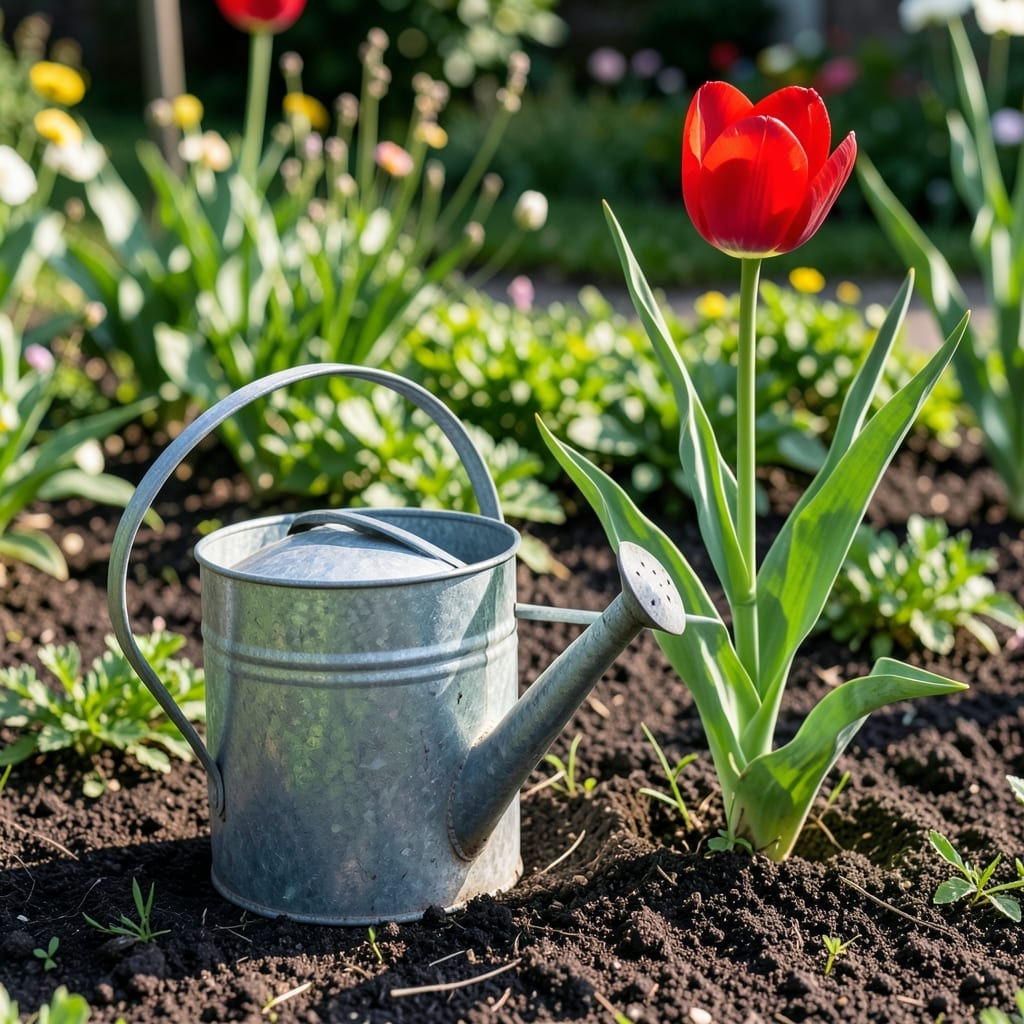
Tulips bring vibrant color to any garden, but their watering needs often puzzle even experienced gardeners. Get the balance wrong, and you risk wilting 🌷 blooms or rotting bulbs.
I’ve seen too many beautiful tulip displays ruined by overwatering or drought stress. The good news? Finding the sweet spot is simpler than you think.
Let me walk you through exactly how much water tulips need at each stage, plus the telltale signs your plants are thirsty or drowning. Your spring display will thank you.


Many gardeners assume tulips need constant water, but their needs shift dramatically through each stage. I’ve learned the hard way that overwatering bulbs causes more problems than drought ever could.
From planting to dormancy, tulip water requirements change based on what the plant is doing underground. Getting this right means bigger blooms and healthier bulbs for next year.
| Stage | Water Frequency | Key Notes |
|---|---|---|
| Planting | Deep soak | Once after planting |
| Active Growth | Weekly | Keep soil moist not soggy |
| Blooming | Weekly | Increase slightly for bigger flowers |
| Dormancy | Monthly | Only if very dry |
At planting time, I give bulbs a deep watering to settle the soil and encourage root growth. This single soak helps them establish before winter hits.
During active growth in spring, I check soil moisture 1-2 inches down. If it’s dry, I water early in the morning to allow foliage to dry before evening.
The blooming stage is when tulips need the most attention. I increase water slightly but avoid wetting the flower petals, which can cause botrytis blight.
After flowers fade and foliage yellows, I taper off watering. During dormancy, I only water if there’s been no rain for weeks. Too much moisture now leads to bulb rot.
One pro tip I swear by: mulch around tulips with 2-3 inches of organic matter. This helps retain moisture while preventing water from pooling around the bulbs.
Remember, well-draining soil is non-negotiable. If your soil stays soggy, consider planting in raised beds or amending with compost and sand.
🌷
Even with good intentions, it’s easy to make watering mistakes that can ruin your tulip display. I’ve seen overwatering and underwatering both take their toll on these spring beauties.
From watering at the wrong time to ignoring soil conditions, small errors add up quickly. Let me share the 5 most common missteps and how to avoid them.
The biggest mistake I see is waterlogging tulip bulbs. These plants hate soggy feet, so always ensure your soil has good drainage before planting.
Evening watering seems convenient but creates perfect conditions for fungal diseases. I always water my tulips early in the morning so foliage dries quickly.
Another common error is inconsistent moisture. Tulips need steady water during active growth, but alternating between drought and flood stresses the plants.
I learned the hard way that overhead watering isn’t ideal. It’s better to water at the base of the plant to keep petals dry and prevent botrytis blight.
Finally, remember that dormant tulips need very little water. Overwatering during this period can rot the bulbs and ruin next year’s display. 🌷