
Beautiful Plants For Your Interior
Beautiful Plants For Your Interior
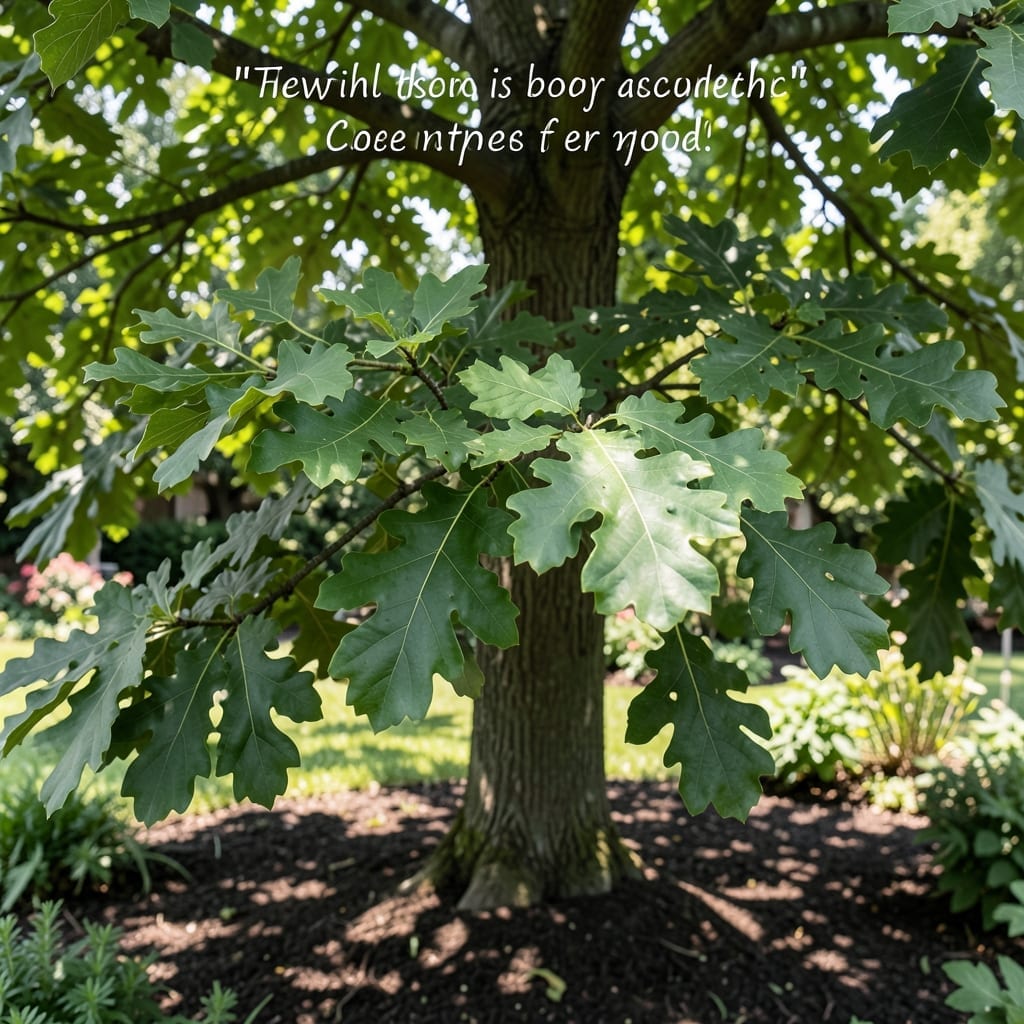
Oak tree leaves feature deep lobes or rounded edges depending on species, with vibrant green to reddish hues. Use close-up images to compare vein patterns, margins, and acorn clusters for accurate identification.
I rely on visual distinctions like the rounded lobes of white oaks versus the pointed tips of red oaks. 🔥 The texture also varies—some feel smooth while others have a leathery surface. Pay attention to seasonal changes too, as autumn transforms many species into striking red or orange displays that aid in recognition.
💡 In This Article
White oaks have rounded lobes with smooth edges, while red oaks display pointed, bristle-tipped lobes. This structural difference is the first clue—white oak leaves often resemble a hand with rounded fingers, whereas red oak leaves look like a hand with sharp, spiky extensions.
The lobes on white oaks are typically 7-10 in number, while red oaks usually have 7-11 with deeper sinuses between them. 🔥
Live oaks break the mold with evergreen leaves that are more elliptical and lack deep lobes entirely. Their edges can be slightly wavy or smooth, and they often have a leathery texture that feels thicker than other oak varieties.
The underside of live oak leaves also tends to be paler, sometimes with a fuzzy, downy appearance that helps with moisture retention in drier climates.
Vein patterns offer another identification layer. White oaks have veins that run parallel to the leaf edges before connecting at the lobe tips, creating a ladder-like appearance. Red oaks, in contrast, have veins that branch out from the central midrib like lightning bolts, extending to the very tips of their pointed lobes.
This venation difference is subtle but visible in high-resolution images. ✨
Seasonal color changes provide additional context. White oaks turn reddish-brown or purplish in autumn, while red oaks shift to a more vibrant bright red or orange. Live oaks, being evergreen, drop old leaves gradually as new growth emerges, often showing a mix of green and brown simultaneously during transitions.
For the most accurate identification, examine the leaf base where it connects to the stem. White oaks often have a symmetrical, U-shaped base, while red oaks may display an asymmetrical or more V-shaped attachment. These small details, combined with lobe shape and vein patterns, create a comprehensive visual fingerprint for each species. 💫
Look for rounded lobes on white oaks versus pointed, bristle-tipped lobes on red oaks. White oak leaves typically have 7-10 rounded lobes, while red oaks have 7-11 sharper ones.
Watch for white powdery patches (mildew), circular brown spots with yellow halos, or irregular brown splotches (anthracnose). Sudden browning often signals oak wilt.
Most do, but live oaks stay evergreen year-round. White oaks turn reddish-brown, while red oaks become vibrant bright red or orange. Live oaks gradually replace leaves.
Capture both sides in natural light, include a size reference, and focus on lobe patterns and vein structures. Close-ups of the base and edges help most.