
Beautiful Plants For Your Interior
Beautiful Plants For Your Interior
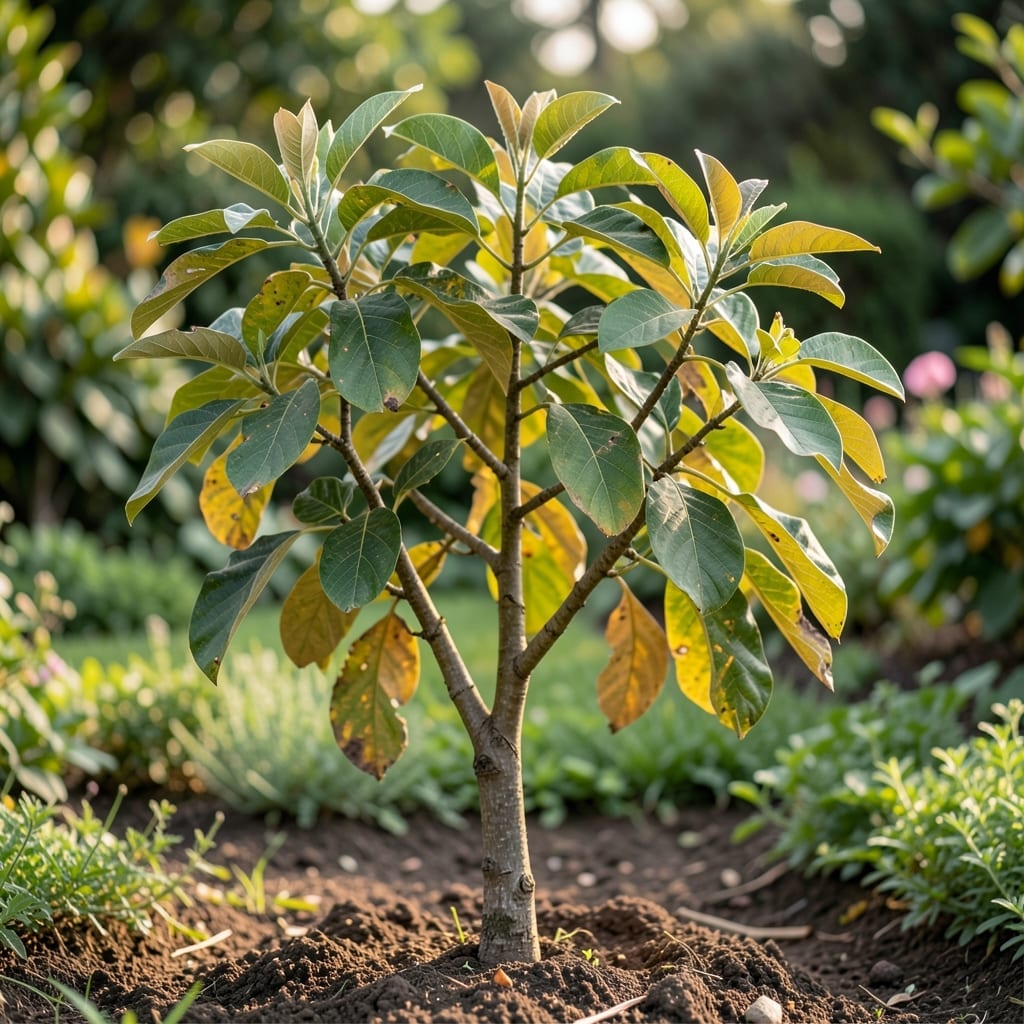
My avocado tree sat stubbornly bare for months. No new leaves, no growth—just a sad stick in a pot. Turns out, it wasn’t getting what it needed to push out fresh foliage.
After some trial and error, I realized the usual suspects: not enough light, the wrong nutrients, or water that was either drowning it or leaving it parched. The fix starts with checking these basics first.
Once you adjust the conditions, you’ll see tiny new buds forming within 2-3 weeks. The tree perks up, and those glossy green leaves finally start to unfold.
Works for indoor potted trees or backyard specimens. Here’s how to diagnose and fix it fast.
Avocado trees may fail to grow new leaves due to several underlying factors. Understanding these causes can help you address the issue effectively.
Avocado trees require a balanced diet of nitrogen, phosphorus, and potassium, along with micronutrients like zinc and iron. A deficiency in nitrogen, the primary driver of leaf growth, often results in stunted foliage. Yellowing leaves (chlorosis) may indicate a lack of iron or zinc, especially in alkaline soils where these nutrients become less available. Conduct a soil test to identify deficiencies and amend with a citrus or avocado-specific fertilizer.
Avocado trees thrive in full sun to partial shade. Inadequate light slows photosynthesis, reducing the energy needed for new leaf production. If your tree is indoors, ensure it receives at least 6–8 hours of bright, indirect sunlight daily. Outdoors, avoid heavily shaded spots. Consider supplementing with grow lights (12+ hours/day) for indoor trees in low-light conditions.
Both overwatering and underwatering can halt new leaf growth. Overwatering suffocates roots, leading to root rot and poor nutrient uptake, while underwatering causes dehydration and stress. Avocado trees prefer well-draining soil—water deeply when the top 1–2 inches of soil are dry, but avoid soggy conditions. Mulching helps retain moisture without waterlogging.
Avocado trees are sensitive to cold drafts and heat stress. Temperatures below 50°F (10°C) can slow growth, while sudden spikes above 90°F (32°C) may cause leaf drop. Protect trees from frost with frost cloths and provide shade during heatwaves. Indoor trees should avoid drafts from AC or heaters.
Pests like spider mites, aphids, or scale insects sap nutrients from leaves, weakening the tree. Inspect the undersides of leaves for webbing, sticky residue, or visible bugs. Treat infestations with neem oil or insecticidal soap, and isolate heavily affected plants to prevent spread.
If your avocado tree isn’t growing new leaves, addressing the root cause can bring it back to life. Below are targeted fixes for common issues, along with prevention tips to keep your tree thriving.
If yellowing or weak growth is present, your tree may lack nitrogen, potassium, or zinc. Use a balanced citrus or avocado fertilizer (e.g., 6-4-6 NPK) every 2–3 months during the growing season. For a quick zinc boost, spray leaves with a zinc sulfate solution (1 tbsp per gallon of water).
Prevention: Test soil annually and amend with compost before planting. Avoid over-fertilizing, which can burn roots.
Avocados need 6–8 hours of direct sunlight daily. If your tree is indoors or shaded, move it to a sunnier spot or use a grow light (12–14 hours/day). Trim nearby plants blocking light.
Prevention: Rotate potted trees weekly to ensure even light exposure. Outdoors, plant in a south-facing location.
Check soil moisture: Stick your finger 2 inches deep. If bone dry, water deeply. If soggy, let it dry out and improve drainage with perlite or sand. Water when the top 1–2 inches of soil are dry.
Prevention: Use a well-draining pot with drainage holes. Mulch around the base to retain moisture without waterlogging.
Inspect leaves for spider mites, aphids, or scale. Blast pests off with water or apply neem oil (mix 1 tbsp oil + 1 tsp dish soap per gallon of water). Repeat weekly until gone.
Prevention: Spray trees with water regularly to deter pests. Introduce beneficial insects like ladybugs.
Avocados thrive in 60–80°F. If exposed to cold drafts or frost, move indoors or use a frost cloth. For heat stress, provide afternoon shade and mist leaves.
Prevention: Acclimate trees gradually to temperature changes. Avoid placing near heaters or AC vents.
With proper care, new buds typically appear within 2-3 weeks. Full leaf development may take another 2-4 weeks, depending on growing conditions. Patience is key!
You can, but it may lack key micronutrients like zinc and iron. For best results, use a citrus or avocado fertilizer with a balanced NPK ratio. Regular plant food works in a pinch.
If the branches are still green and flexible, it may still recover. Check for root rot or pest damage, then address the underlying issue. If branches are brittle, the tree may be beyond saving.
Light pruning can stimulate growth, but avoid heavy pruning during stress. Trim dead or damaged branches only. Wait until the tree shows signs of recovery before pruning further.