
Beautiful Plants For Your Interior
Beautiful Plants For Your Interior
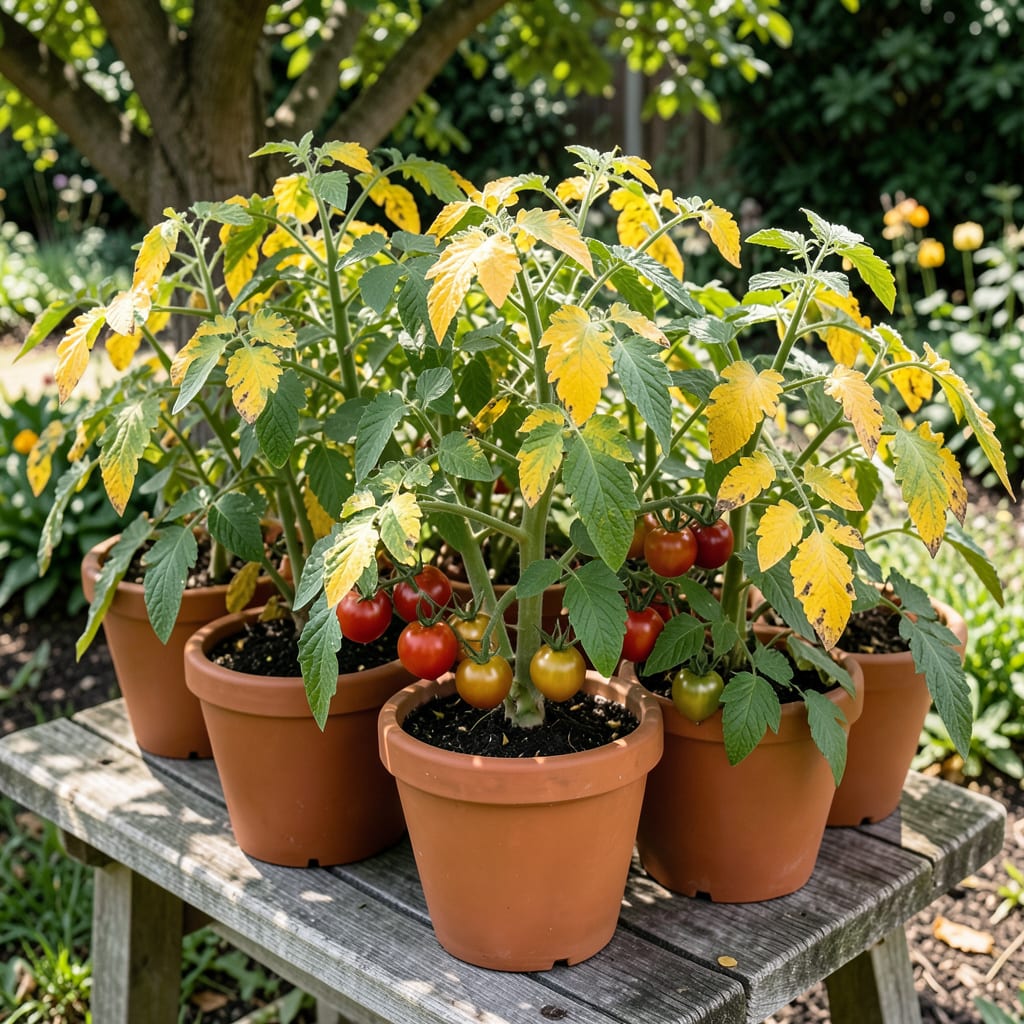
Nothing kills the excitement of homegrown tomatoes like watching the leaves turn yellow. I’ve been there—staring at my potted plants, wondering if I drowned them, starved them, or both.
Here’s the thing—yellow leaves usually mean one of three things: too much water, not enough food, or roots that can’t breathe. The fix is often simpler than you think, but you have to act fast before it spreads.
With a few adjustments to your watering routine and a balanced fertilizer, those plants can bounce back in 2-3 weeks. I’ve saved more than a few tomato crops this way.
Works for patio pots, balcony buckets, or any container where tomatoes are struggling. Let’s get them green again.
Yellowing leaves on potted tomato plants often signal underlying issues. Here are the most common causes, explained with actionable insights:
Excess water suffocates roots, reducing oxygen uptake and leading to chlorosis (yellowing). Potted tomatoes are especially vulnerable because water cannot drain naturally. Check for waterlogged soil or a musty smell—signs of root rot. Ensure pots have drainage holes and use well-draining soil.
Tomatoes are heavy feeders. A lack of nitrogen causes uniform yellowing (starting with older leaves), while magnesium deficiency triggers yellow patches with green veins (interveinal chlorosis). Pot-grown plants deplete soil nutrients faster. Use a balanced, slow-release fertilizer or supplement with Epsom salt for magnesium.
Too little light slows chlorophyll production, turning leaves pale yellow. Conversely, extreme heat (above 90°F) can scorch foliage. Potted plants on patios or windowsills may bake in direct sun or shiver in cold drafts. Move containers to a spot with 6–8 hours of sunlight and stable temperatures.
Sap-sucking pests like aphids or whiteflies drain nutrients, causing yellow spots or curling. Fungal diseases such as early blight create concentric yellow rings on leaves. Inspect undersides of leaves for pests and remove affected foliage immediately. Treat with neem oil or fungicides as needed.
Here’s how to tackle yellowing leaves on your potted tomato plants, with simple fixes for each common cause:
If the soil feels soggy or smells musty, stop watering immediately and let the soil dry out. Repot the plant in fresh, well-draining potting mix if root rot is suspected. Ensure your pot has drainage holes to prevent waterlogging. Prevention tip: 💡 Water only when the top 1-2 inches of soil are dry, and use a pot with drainage holes.
Dry, crispy yellow leaves often mean thirsty plants. Water deeply until it drains from the bottom, and mulch the surface to retain moisture. Move pots to a shaded area during peak heat (above 90°F). Prevention tip: ✨ Check soil moisture daily in hot weather and water in the early morning.
Yellowing between leaf veins (interveinal chlorosis) often signals a lack of nitrogen, magnesium, or iron. Fertilize with a balanced, water-soluble feed (like 10-10-10) or add Epsom salt (1 tbsp/gallon of water) for magnesium. For iron, use chelated iron supplements. Prevention tip: 🎯 Feed potted tomatoes every 2-3 weeks during the growing season.
Inspect leaves for aphids, whiteflies, or fungal spots. Spray with neem oil or insecticidal soap for pests. For fungal issues (like early blight), remove affected leaves and apply a copper-based fungicide. Prevention tip: 🌡️ Space pots for airflow and avoid wetting the leaves when watering.
If roots are circling the pot, transplant to a larger container (at least 2 inches wider). Loosen the root ball gently before repotting. Prevention tip: ✨ Start with a pot that’s 5+ gallons for mature plants and refresh soil annually.
Water when the top 1-2 inches of soil feel dry. This usually means every 2-3 days in hot weather, but check daily. Overwatering is a common cause of yellow leaves, so always test soil moisture first.
No, once leaves yellow they won’t recover. Focus on fixing the underlying issue to prevent new leaves from turning. Remove severely yellowed leaves to redirect energy to healthy growth.
Use a balanced, water-soluble fertilizer like 10-10-10 every 2-3 weeks. For magnesium issues, add 1 tablespoon of Epsom salt per gallon of water. Avoid over-fertilizing, as this can also cause leaf yellowing.
This typically indicates a nitrogen deficiency. Older leaves show symptoms first. Apply a nitrogen-rich fertilizer and ensure your potting mix is fresh and well-draining.
