
Beautiful Plants For Your Interior
Beautiful Plants For Your Interior
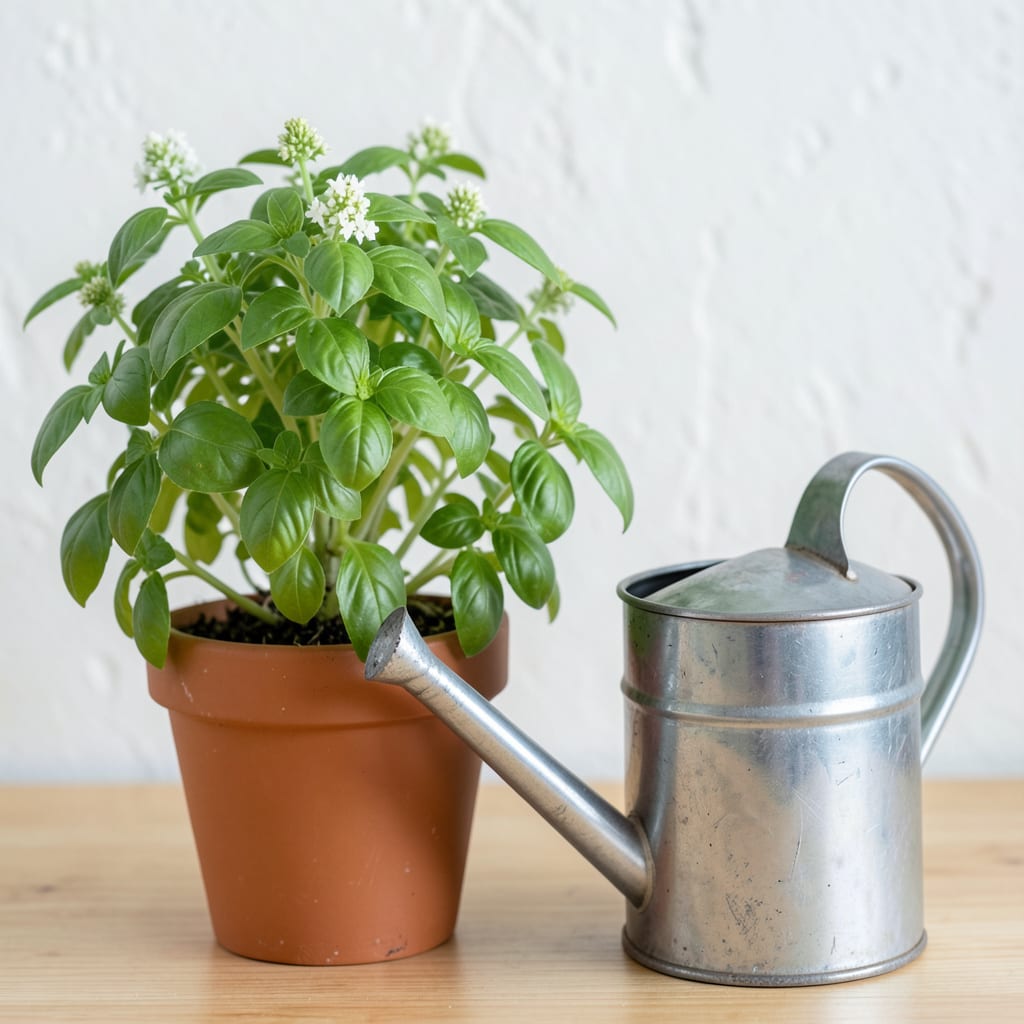
Growing Basil 🌿 can be a rewarding experience, but getting the watering right is crucial. Too little or too much water can quickly ruin your crop, especially in USDA Zone 6 where temperature fluctuations are common.
I’ll share expert tips on how to keep your Basil plant thriving by understanding its watering needs, from soil moisture checking to adjusting for weather conditions, ensuring a healthy harvest from July to September.
Basil plants need consistent moisture to thrive, but their water requirements can vary based on several factors. Understanding these factors is crucial to providing your basil with the right amount of water 🌿.
The amount of water a basil plant needs depends on climate, soil type, and whether it’s planted in a container or in the ground. Climate plays a significant role, as hotter temperatures and dry air can cause the soil to dry out faster 🔥.
For basil plants in USDA Zone 6, the growing season typically spans from May to September. During this period, the watering needs will vary with the temperature and growth stage 🌞.
Spring and early summer are critical periods when basil plants are establishing their root systems. They require more frequent watering to support their growth 🌱.
As the plants mature, their water requirements change. It’s essential to monitor the soil moisture and adjust the watering schedule accordingly to prevent overwatering or underwatering ⚠️.
The type of soil used for basil also affects its watering needs. Well-draining soil is ideal as it prevents waterlogged conditions that can lead to root rot 🌿.
Container-grown basil tends to dry out faster than those planted directly in the ground. This means containers may need to be watered more frequently, especially during hot weather ⛅️.
Understanding these factors and adjusting your watering schedule can help ensure your basil plants receive the right amount of moisture for healthy growth 💧.
By considering the specific conditions of your basil plants, you can tailor your watering approach to meet their needs, promoting a bountiful harvest 🌼.
Regular monitoring and adjustments will help you develop a keen sense of your basil’s watering requirements, leading to a successful growing season 📆.
In summary, understanding the factors that affect basil’s water needs is the first step in providing optimal care for your plants. By being mindful of these factors, you can create a watering schedule that supports healthy growth and maximizes your harvest 🌿.
Watering basil plants correctly is crucial for their health and productivity. I’ll guide you through the best practices for watering your basil, ensuring you provide the right amount of moisture 🌿.
The frequency of watering basil depends on several factors, including climate, soil type, and whether the plant is in a container or in the ground. Generally, basil needs to be watered every 2-3 days, but this can vary based on the specific conditions ⛅️.
Basil is susceptible to root rot if the soil is too wet. Check soil moisture by inserting your finger into the soil up to the first knuckle. If it feels dry, it’s time to water 🌟.
To check soil moisture, insert your finger into the soil about 1-2 inches deep. If the soil feels dry, it’s time to water. If it’s already moist, wait another day before checking again 🔍.
Signs of overwatering include yellowing leaves, droopy stems, and a sour smell from the soil. On the other hand, underwatering can cause leaves to wilt and turn crispy. Adjust your watering schedule based on these signs ⚖️.
Water your basil plants in the morning, so the plants have the entire day to absorb the water. Avoid getting water on the leaves to prevent fungal diseases; instead, water at the base of the plant 💧.
For container-grown basil, ensure the pot has good drainage holes to prevent waterlogged soil. If you’re using a saucer, empty it after watering to avoid water accumulation ⛈️.
By following these guidelines and being mindful of your basil’s specific needs, you can maintain healthy plants and enjoy a bountiful harvest 🌼.
Regularly checking the soil moisture and adjusting your watering schedule accordingly will help prevent common issues like root rot and ensure your basil plants thrive 📈.
With the right watering practices, you’ll be on your way to growing robust and aromatic basil plants that will elevate your culinary creations 👨🍳.
Maintaining optimal watering for basil plants involves more than just watering frequency. I’ll share additional strategies to keep your basil healthy and thriving 🌿.
One effective method is mulching around your basil plants. Mulch helps retain soil moisture, suppress weeds, and regulate soil temperature 🌟.
For healthy basil, maintain consistently moist soil through proper watering and mulching, while monitoring for signs of over or underwatering.
The size of the pot used for container-grown basil also impacts watering needs. Larger pots retain moisture longer than smaller ones, potentially reducing the frequency of watering needed 📏.
Adjusting your watering schedule according to weather conditions is crucial. During hot, dry spells, basil may need more frequent watering, while cooler, rainy periods may require less ⛅️.
Regularly inspecting your basil plants for signs of stress, such as wilting or yellowing leaves, can help you adjust your watering practices accordingly 🔍.
By incorporating these strategies into your basil care routine, you can optimize watering and promote healthy, vigorous plant growth 🌱.
Consistent and appropriate watering, combined with other good gardening practices, will result in a bountiful harvest of fresh, aromatic basil 🌼.
With these tips, you’ll be well-equipped to maintain optimal watering for your basil plants, ensuring a successful and productive growing season 📆.
Basil plants typically need watering every 2-3 days, but this frequency can vary based on factors like climate, soil type, and whether it’s in a container or ground. Check soil moisture by inserting your finger 1-2 inches deep into the soil.
Water your basil plants in the morning, before 10 AM. This allows the plants to absorb the water throughout the day and reduces the risk of fungal diseases. Water at the base of the plant to keep leaves dry.
Overwatering signs include yellowing leaves, droopy stems, and a sour soil smell. Underwatering causes leaves to wilt and turn crispy. Adjust your watering schedule based on these signs and check soil moisture regularly to prevent these issues.
Yes, the pot size matters. Larger pots retain moisture longer than smaller ones, potentially reducing the frequency of watering needed. Consider this when adjusting your watering schedule for container-grown basil.
