
Beautiful Plants For Your Interior
Beautiful Plants For Your Interior
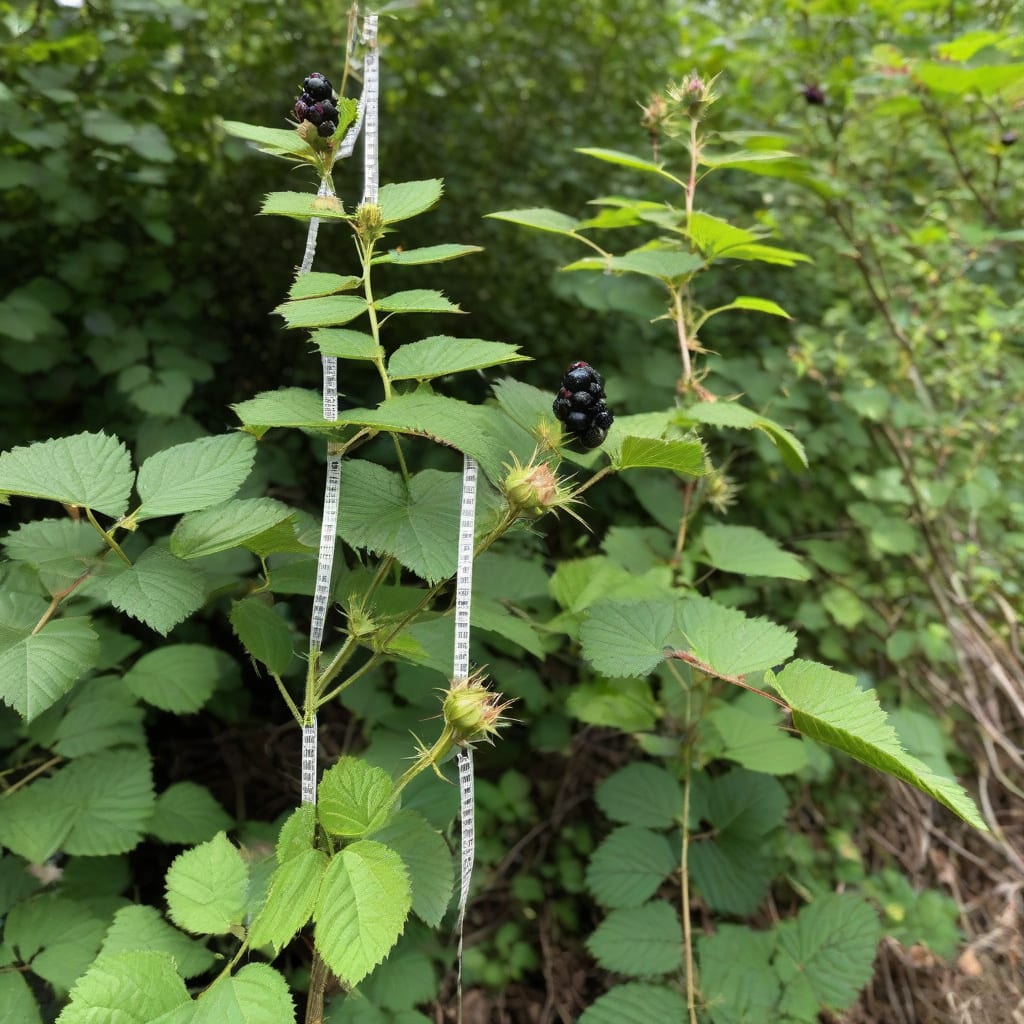
Blackberry bushes 🫐 can transform any garden into a fruitful haven, but understanding their growth patterns is key to successful cultivation. In USDA Zone 6, these plants typically thrive when planted in early spring.
The height of blackberry bushes varies, but they generally grow between 3 to 6 feet tall. Factors such as soil quality, sunlight, and pruning techniques can influence their mature height. Let’s explore how to manage their growth for optimal yield.

2 ft

4 ft

6 ft

6 ft
Blackberry bushes are a popular choice for home gardeners due to their relatively compact size and high yield potential. Typically, blackberry plants grow between 3 to 6 feet tall, making them suitable for various garden layouts.
The height of blackberry bushes can vary significantly based on factors such as variety, growing conditions, and cultivation practices. Understanding these growth patterns is crucial for effective garden management and maximizing fruit production.
Blackberry plants exhibit a unique growth pattern known as a biennial cycle. In the first year, new canes (primocanes) emerge and grow vegetatively, while in the second year, these canes (now called floricanes) produce fruit and then typically die back. This cycle continues with new primocanes emerging each year to replace the old floricanes.
The mature height of blackberry bushes can be influenced by several factors, including the specific variety, soil quality, and pruning practices. Erect varieties tend to grow more compactly, while trailing vines or semi-erect types may require more support and training. Proper pruning techniques can also help control the height and promote healthier growth.
Understanding the growth habits of blackberry plants is essential for gardeners to make informed decisions about spacing, support, and maintenance. By recognizing the different growth stages and factors that influence height, gardeners can better manage their blackberry patches and optimize fruit production.
Blackberry bushes generally reach their mature height within 2-3 years after planting, with proper care and maintenance. The first year’s growth is primarily focused on developing strong canes, while subsequent years see increased fruiting and cane replacement.
Factors such as soil quality, sunlight exposure, and watering practices all play critical roles in determining the ultimate height and health of blackberry plants. Gardeners should ensure their blackberry bushes receive full sun and well-draining soil to promote optimal growth.
Regular maintenance, including pruning and training, is essential for controlling the height of blackberry bushes and maximizing their yield potential. By removing spent floricanes and managing primocane growth, gardeners can maintain a healthy and productive blackberry patch.
In addition to their height, blackberry plants also spread through suckers and root growth, which can affect their overall size and shape. Gardeners may need to implement measures to control this spread and keep their blackberry patch contained.
By understanding the growth patterns and height potential of blackberry bushes, gardeners can better plan their garden layouts and maintenance routines. This knowledge enables more effective management of these fruitful plants and helps ensure a bountiful harvest.
Overall, blackberry bushes are a rewarding addition to many gardens, offering both delicious fruit and relatively manageable growth habits when properly cared for. Their height and spread can be controlled through careful pruning and training, making them suitable for a variety of garden sizes and styles.
Blackberry bush height is influenced by multiple factors that gardeners must consider for optimal growth. The variety of blackberry plays a crucial role, with erect types typically growing more compactly than trailing or semi-erect varieties.
Environmental conditions significantly impact blackberry height. Plants require full sun exposure to reach their maximum height potential, with at least 6 hours of direct sunlight daily.
The specific growing conditions can affect how tall blackberries will grow in a particular garden setting. Factors such as soil pH, nutrient availability, and moisture levels all contribute to the overall health and size of the plants.
Blackberry plants grown in optimal conditions with proper care can reach their maximum height potential. Gardeners should monitor their plants’ response to different environmental factors and adjust their care routines accordingly.
Understanding these factors helps gardeners make informed decisions about plant care and management. By optimizing growing conditions and implementing appropriate cultivation practices, gardeners can promote healthy growth and maximize their blackberry yield.
Regular monitoring of plant health and growth patterns allows gardeners to identify any issues early. This proactive approach enables timely interventions to maintain optimal growing conditions and support maximum height development.
Successful blackberry cultivation requires a comprehensive understanding of the various factors that influence plant height. By considering these elements, gardeners can create an environment that supports robust growth and abundant fruit production 🌿.
Managing blackberry bush height is crucial for maximizing yield and maintaining a healthy garden. Proper pruning techniques help control the height and promote better fruit production. Prune your blackberry bushes annually to remove spent floricanes and manage primocane growth.
Remove spent floricanes after harvest to encourage new growth and maintain plant health. This helps control height and promotes better fruiting.
Training methods also play a significant role in managing blackberry bush height. For trailing varieties, consider using a trellis system to support the canes and keep them organized. This not only helps control the height but also makes harvesting easier.
Regular maintenance practices are essential for keeping your blackberry bushes healthy and productive. Monitor your plants regularly for signs of disease or pests, and take action promptly if you notice any issues.
By implementing these pruning and training techniques, you can effectively manage the height of your blackberry bushes and enjoy a bountiful harvest. Proper care and maintenance will ensure your plants remain healthy and productive for years to come 🌿.
The key to successful blackberry cultivation lies in understanding and managing their growth patterns. With the right techniques, you can enjoy a thriving and productive blackberry patch.
