
Beautiful Plants For Your Interior
Beautiful Plants For Your Interior
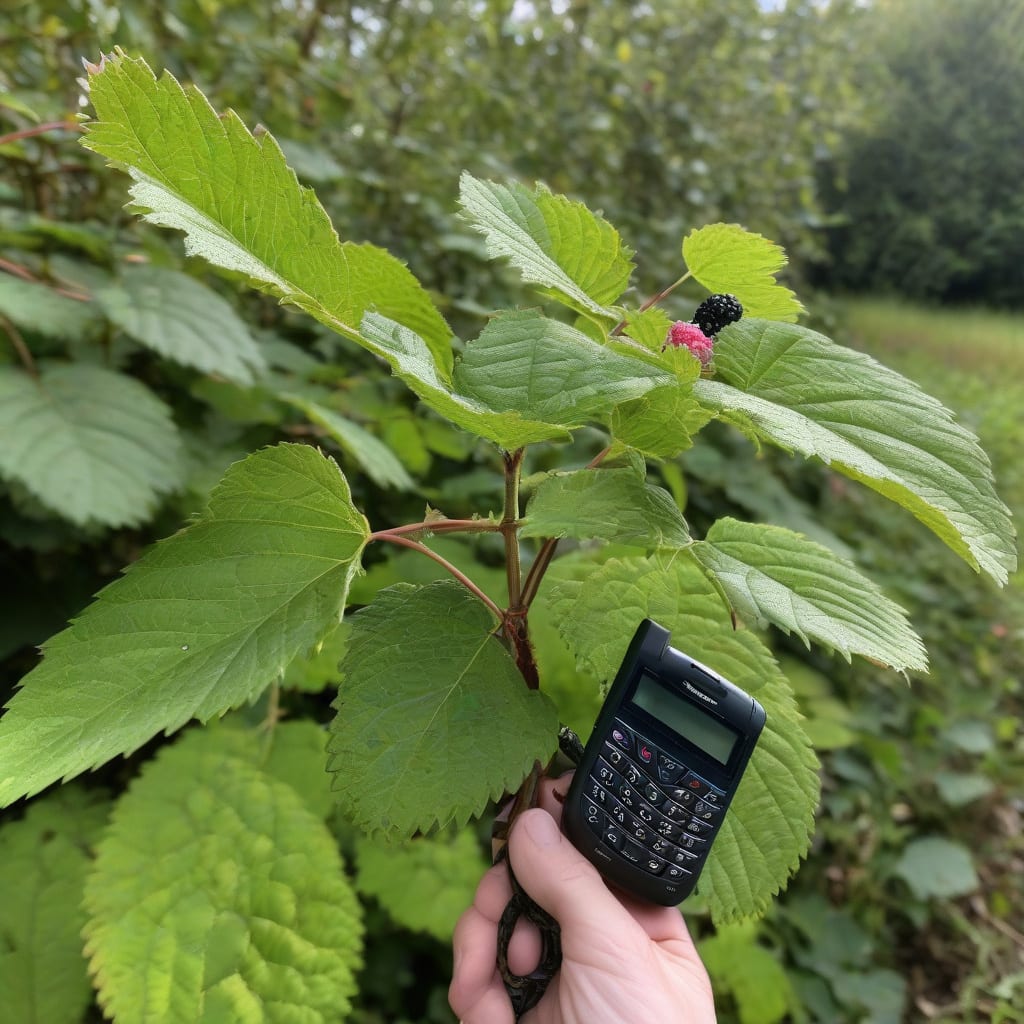
When growing 🫐 blackberry bushes, understanding their height is crucial for proper care. These plants can grow quite tall, typically reaching heights of 3 to 6 feet, depending on the variety and growing conditions.
In USDA Zone 6, blackberry bushes can thrive with proper pruning and support. By knowing what to expect, you’ll be better equipped to manage their growth and enjoy a bountiful harvest.

2 ft

4 ft

6 ft

6 ft
Blackberry bushes are a popular choice for home gardeners due to their delicious fruit and relatively easy maintenance. Understanding their growth habits is crucial for maximizing yield and maintaining plant health. One of the most common questions about blackberry bushes is: how tall do they grow? The answer depends on several factors, including the variety, growing conditions, and pruning practices.
Blackberry bushes typically grow between 3 to 6 feet tall, with some varieties reaching heights of up to 8 feet if left unpruned. The plants have a biennial growth cycle, with primocanes (first-year canes) producing leaves and storing energy, while floricanes (second-year canes) produce flowers and fruit before dying off.
The height of a blackberry bush is influenced by several key factors. The variety of blackberry is perhaps the most significant determinant, with erect, semi-erect, and trailing types having different growth habits. Growing conditions such as soil quality, sunlight exposure, and watering also play a crucial role in determining the plant’s ultimate height.
Pruning practices are another critical factor in managing blackberry bush height. Regular pruning not only controls the size of the plant but also promotes healthier growth and better fruit production. Proper support systems, such as trellises or stakes, can also help manage the plant’s height while keeping it organized and productive.
Understanding these growth habits is essential growth for gardeners who want to maximize their blackberry harvest. By knowing what to expect in terms of height and growth patterns, gardeners can make informed decisions about pruning, support, and overall care for their blackberry bushes.
The erect varieties typically grow more compactly, usually reaching 3-4 feet in height, making them suitable for smaller gardens or container growing. Semi-erect varieties tend to grow a bit taller, often between 4-6 feet, and may require more support as they mature. Trailing varieties, on the other hand, can grow quite long, sometimes reaching lengths of 10 feet or more, and usually require a trellis or other support system to manage their growth effectively.
By understanding these different growth habits and how they relate to the ultimate height of the blackberry bush, gardeners can better plan their garden layout and care routine. Whether you’re growing erect, semi-erect, or trailing varieties, knowing how tall your blackberry bushes will grow is essential for providing the right support and care throughout their growing season 🌿.
Managing the height of blackberry bushes is crucial for optimal production and ease of maintenance. Proper pruning techniques help control the plant’s size while promoting healthier growth and better fruit production. I typically prune my blackberry bushes annually to maintain their shape and encourage fruiting.
The first step in managing blackberry bush height is understanding the different types of canes and their roles. Primocanes are the first-year canes that grow vegetatively, while floricanes are second-year canes that produce fruit. By focusing on these cane types, gardeners can effectively manage their blackberry bush height.
Remove weak and damaged primocanes to promote healthy growth 🌱.
Thin out floricanes after harvest to encourage new growth and improve air circulation 🌿.
Train new canes along a trellis or stake to maintain a manageable height and promote better fruiting 🌸.
By implementing these pruning techniques and training methods, gardeners can effectively manage the height of their blackberry bushes. This not only makes harvesting easier but also improves overall plant health and productivity. Regular maintenance is key to enjoying a bountiful harvest of delicious blackberries.
In addition to pruning, using a trellis or support system can help manage blackberry bush height. This is particularly important for trailing varieties that can grow quite long. By providing support, gardeners can keep their plants organized and productive.
Overall, managing blackberry bush height requires a combination of proper pruning techniques, training methods, and support systems. By following these steps, gardeners can enjoy a healthy and productive blackberry bush that produces delicious fruit for years to come 🫐.
Effective management also involves monitoring the plant’s response to pruning and adjusting techniques as needed. This might include adjusting the timing or severity of pruning based on the plant’s growth patterns and fruit production.
By taking a proactive approach to managing blackberry bush height, gardeners can maximize their harvest and enjoy the many benefits of growing these delicious and nutritious fruits.
Blackberry bushes come in different varieties, each with its own growth characteristics. Understanding these differences is essential for gardeners to manage their plants effectively. The height of blackberry bushes can vary significantly depending on the variety.
Erect varieties typically grow more compactly, reaching heights of 3-4 feet. These are ideal for smaller gardens or container growing. Semi-erect varieties grow taller, usually between 4-6 feet, and may require more support as they mature.
Trailing varieties can grow quite long, sometimes reaching lengths of 10 feet or more, and usually require a trellis or other support system to manage their growth effectively. By understanding these differences, gardeners can choose the best variety for their space and provide appropriate care 🌿.
The height of blackberry bushes is not just determined by the variety; growing conditions also play a significant role. Factors such as soil quality, sunlight exposure, and watering can affect the ultimate height of the plant.
By considering both the variety and growing conditions, gardeners can better manage their blackberry bushes and enjoy a bountiful harvest 🫐.
