
Beautiful Plants For Your Interior
Beautiful Plants For Your Interior
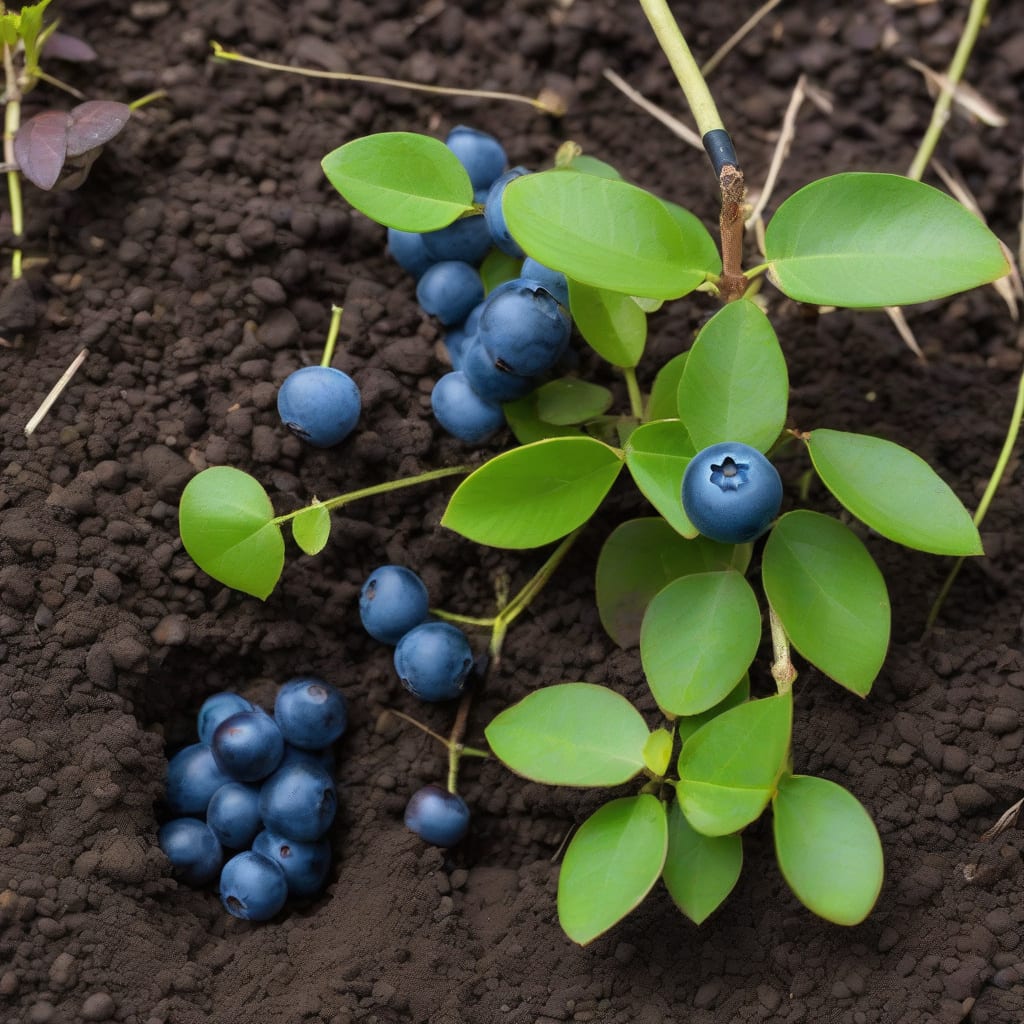
When growing 🫐 Blueberry bushes, understanding their height is crucial for proper garden planning. The mature height of these shrubs can vary significantly based on variety and growing conditions.
In USDA Zone 6, you can expect Blueberry bushes to grow between 3 to 6 feet tall, with some dwarf varieties reaching only 2 feet. Let’s explore what influences their growth and how to manage their height effectively.

1-2 ft

2-3 ft

3-4 ft

4-6 ft
Blueberry bushes are a popular choice for home gardens due to their delicious fruit and relatively compact size. The height of these shrubs can vary significantly based on several key factors.
The variety of blueberry bush you choose plays a crucial role in determining its mature height. Some compact varieties like ‘Tophat’ remain relatively small, while others can grow quite tall.
The height of blueberry bushes is significantly influenced by their growing conditions. Soil quality plays a crucial role, with acidic soil being essential for optimal growth. The ideal soil pH for blueberries ranges between 4.0 and 5.5. 🌿
Climate conditions also affect how tall blueberry bushes grow. The amount of sunlight, учrained, and temperature fluctuations all play a role. Blueberries thrive in cooler climates with adequate chill hours.
Regular maintenance practices such as pruning and fertilization are essential for maintaining healthy bush size and promoting optimal growth. Proper care helps control the height while maximizing fruit production.
Blueberry bushes typically take 3-4 years to reach their mature height after planting. During this time, consistent care and monitoring are crucial for optimal development. The bushes will gradually increase in size each year, eventually reaching their full mature height.
Understanding these factors helps gardeners make informed decisions about variety selection and care practices. By choosing the right cultivar and providing appropriate growing conditions, gardeners can optimize both the size and productivity of their blueberry bushes.
Different blueberry varieties have distinct growth patterns and mature heights. Some compact varieties remain smaller, while standard types can grow quite tall. This variability allows gardeners to choose the best variety for their specific garden space and needs.
By considering these various factors, gardeners can better manage their blueberry bushes’ growth and ensure optimal production. Regular monitoring and appropriate care practices contribute significantly to the overall health and productivity of the plants.
Maintaining the right height for blueberry bushes is crucial for their overall health and productivity. Proper management techniques can help control the size while maximizing fruit production. Regular maintenance practices play a significant role in achieving optimal growth.
Effective pruning is essential for managing blueberry bush height. The best time to prune is during the dormant season, typically in late winter or early spring. Remove any dead, diseased, or damaged branches to promote healthy growth. Thin out the center of the bush to improve air circulation and allow more sunlight to reach the fruiting branches.
Remove old canes over 4 years old to maintain productivity
Maintain an open center for better air circulation and sunlight penetration
Limit height to 4-6 feet for easier harvesting and maintenance
Proper fertilization strategies also contribute to managing blueberry bush height. Using acidic fertilizers specifically formulated for blueberries helps maintain the optimal soil pH. Fertilize in early spring and again after harvest, following the manufacturer’s instructions for application rates.
Spacing considerations are another important factor in managing blueberry bush height. Planting bushes 3-4 feet apart allows for adequate air circulation and sunlight penetration, which helps maintain healthy growth and prevents overcrowding.
Regular monitoring of your blueberry bushes is crucial for maintaining optimal height. Check plants annually for signs of overgrowth or disease, and adjust your pruning and fertilization practices accordingly.
By implementing these management techniques, gardeners can effectively control the height of their blueberry bushes while promoting healthy growth and maximizing fruit production. Consistent care and attention to detail are key to successful blueberry cultivation.
Maintaining the ideal height for blueberry bushes not only makes harvesting easier but also contributes to the overall health and productivity of the plants. With proper care and management, blueberry bushes can thrive and provide delicious fruit for years to come 🌿.
Understanding the mature height of different blueberry varieties is essential for proper garden planning. The height of blueberry bushes can vary significantly based on the specific cultivar.
The height of blueberry bushes varies significantly across different varieties. Dwarf varieties typically grow between 2-3 feet tall, making them ideal for small garden spaces or container gardening.
Semi-dwarf varieties offer a moderate height range of 3-4 feet, providing a good balance between compact growth and fruit production. These are suitable for most residential gardens.
Standard varieties grow the tallest, reaching heights of 4-6 feet. While they require more maintenance through regular pruning, they often produce more abundant fruit.
When selecting a blueberry variety, consider your available garden space and desired level of maintenance. Each type has its advantages depending on your specific gardening needs 🌿.
By understanding these height expectations, gardeners can make informed decisions about which varieties will thrive in their specific growing conditions.
The comparison between different blueberry varieties helps gardeners choose the most suitable type for their garden. Whether you prefer compact dwarf varieties or more vigorous standard types, there’s a blueberry bush to suit every gardening situation.
