
Beautiful Plants For Your Interior
Beautiful Plants For Your Interior
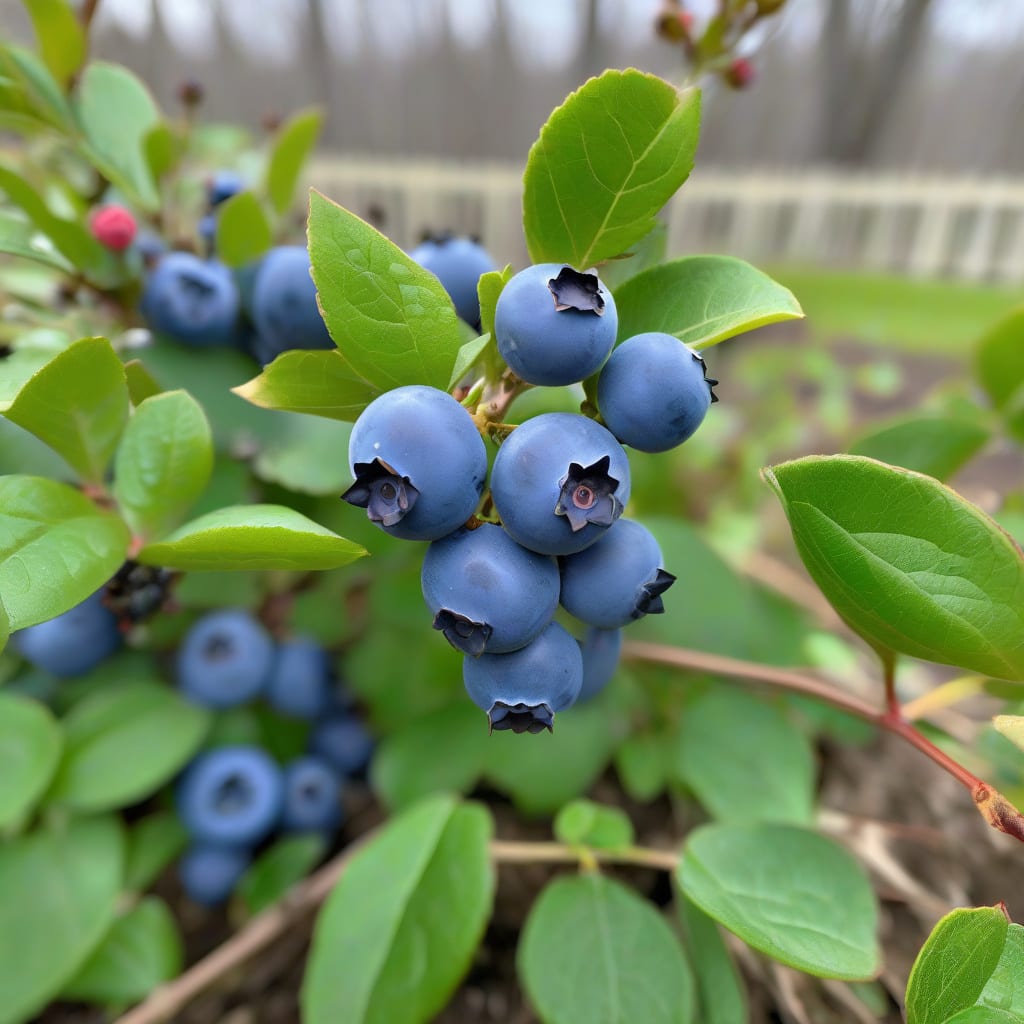
When growing 🫐 Blueberry bushes, understanding their potential height is crucial for proper garden planning. These plants can grow to be quite tall, but their exact height depends on several factors.
I’ll walk you through the average height of Blueberry plants, the factors that influence their growth, and some expert tips on how to optimize their height in your garden in USDA Zone 6.


When growing blueberry bushes, understanding the factors that influence their height is crucial for optimal garden planning. The height of blueberry plants can vary significantly based on several key factors.
I will explore how variety, soil quality, and growing conditions impact blueberry plant height. These elements play a critical role in determining the overall growth and productivity of your blueberry bushes.
The variety of blueberry bush is a significant determinant of its height. Dwarf varieties typically grow between 2-3 feet tall, while standard varieties can reach heights of 4-6 feet. Understanding the specific growth characteristics of your blueberry variety is essential for managing expectations about its height 🌿.
Soil quality is another critical factor that influences blueberry bush height. Blueberries thrive in acidic soil with a pH between 4.0 and 5.5. Soil that is too alkaline can hinder nutrient uptake, limiting plant growth. Ensuring proper soil conditions is vital for achieving optimal height 🌱.
Growing conditions, including sunlight exposure and watering practices, also play a crucial role in determining blueberry bush height. Blueberry plants require full sun to produce thrive, so choose a location that receives at least 6 hours of direct sunlight daily ☀️.
Adequate watering is also essential. Consistent moisture, especially during the fruiting season, supports healthy growth. However, be cautious not to overwater, as this can lead to root rot and stunted growth 💧.
By understanding and managing these factors, you can create an optimal environment for your blueberry bushes to reach their full height potential. Proper care and attention to these details will help ensure your plants thrive and produce abundant fruit.
For more specific guidance on maximizing blueberry bush growth, consider exploring additional resources on pruning techniques and fertilization strategies. These practices can further enhance the height and productivity of your blueberry plants.
Regular monitoring of your blueberry bushes’ growth and adjusting your care practices accordingly can lead to healthier plants and a more bountiful harvest. Stay attentive to the needs of your plants to achieve the best results 🌟.
To maximize blueberry bush growth, I recommend focusing on proper pruning techniques, fertilization strategies, and watering practices. These elements work together to create an optimal environment for your plants to thrive.
Pruning is a critical step in maintaining the health and promoting the growth of blueberry bushes. By removing dead or diseased branches, you allow the plant to direct its energy towards healthy growth 🌱.
Prune your blueberry bushes every year to maintain their shape and encourage new growth. Remove any dead, diseased, or damaged branches to prevent the spread of disease and promote healthy growth.
Use an acidic fertilizer specifically formulated for blueberries. Apply it in early spring and again after harvest, following the manufacturer’s instructions for the correct dosage.
Ensure your blueberry bushes receive consistent moisture, especially during the fruiting season. Water them regularly, but avoid overwatering, which can lead to root rot and other issues 💧.
By implementing these expert tips, you can create an optimal environment for your blueberry bushes to reach their full height potential. Regular pruning, appropriate fertilization, and consistent watering practices will contribute to healthier plants and a more bountiful harvest 🌟.
For more detailed guidance on blueberry care, consider exploring additional resources on soil management and pest control. These practices can further enhance the health and productivity of your blueberry plants.
Monitoring your blueberry bushes’ growth and adjusting your care practices accordingly can lead to improved plant health and increased fruit production. Stay attentive to the needs of your plants to achieve the best results.
With the right care and attention, your blueberry bushes can thrive and provide you with delicious fruit for years to come 🫐.
When growing blueberry bushes, understanding the common mistakes that limit their height is crucial for optimal garden planning. By avoiding these errors, you can create an environment that promotes healthy growth and maximizes your blueberry plants’ potential height.
Many gardeners unintentionally limit their blueberry bush height through improper pruning, inadequate soil conditions, and insufficient sunlight. Recognizing these common mistakes can help you take corrective action.
One of the most significant mistakes gardeners make is improper pruning. Pruning is essential for maintaining the health and shape of blueberry bushes, but doing it incorrectly can stunt growth. I recommend pruning annually to remove dead or diseased branches, which helps promote healthy growth 🌱.
Another critical error is ignoring soil conditions. Blueberries require acidic soil with a pH between 4.0 and 5.5. Failing to maintain proper soil acidity can hinder nutrient uptake and limit plant height. Regular soil testing and amendments can help maintain the ideal conditions for your blueberry bushes to thrive 🌿.
Insufficient sunlight is another common mistake that can limit blueberry bush height. Blueberry plants need full sun to produce well, so ensure they receive at least 6 hours of direct sunlight daily. Choosing the right location for your blueberry bushes is crucial for maximizing their growth potential ☀️.
By being aware of these common mistakes and taking steps to avoid them, you can create an optimal environment for your blueberry bushes to reach their full height potential. Proper care and attention to these details will help ensure your plants thrive and produce abundant fruit 🌟.
Regular monitoring of your blueberry bushes’ growth and adjusting your care practices accordingly can lead to healthier plants and a more bountiful harvest. Stay attentive to the needs of your plants to achieve the best results.
