
Beautiful Plants For Your Interior
Beautiful Plants For Your Interior
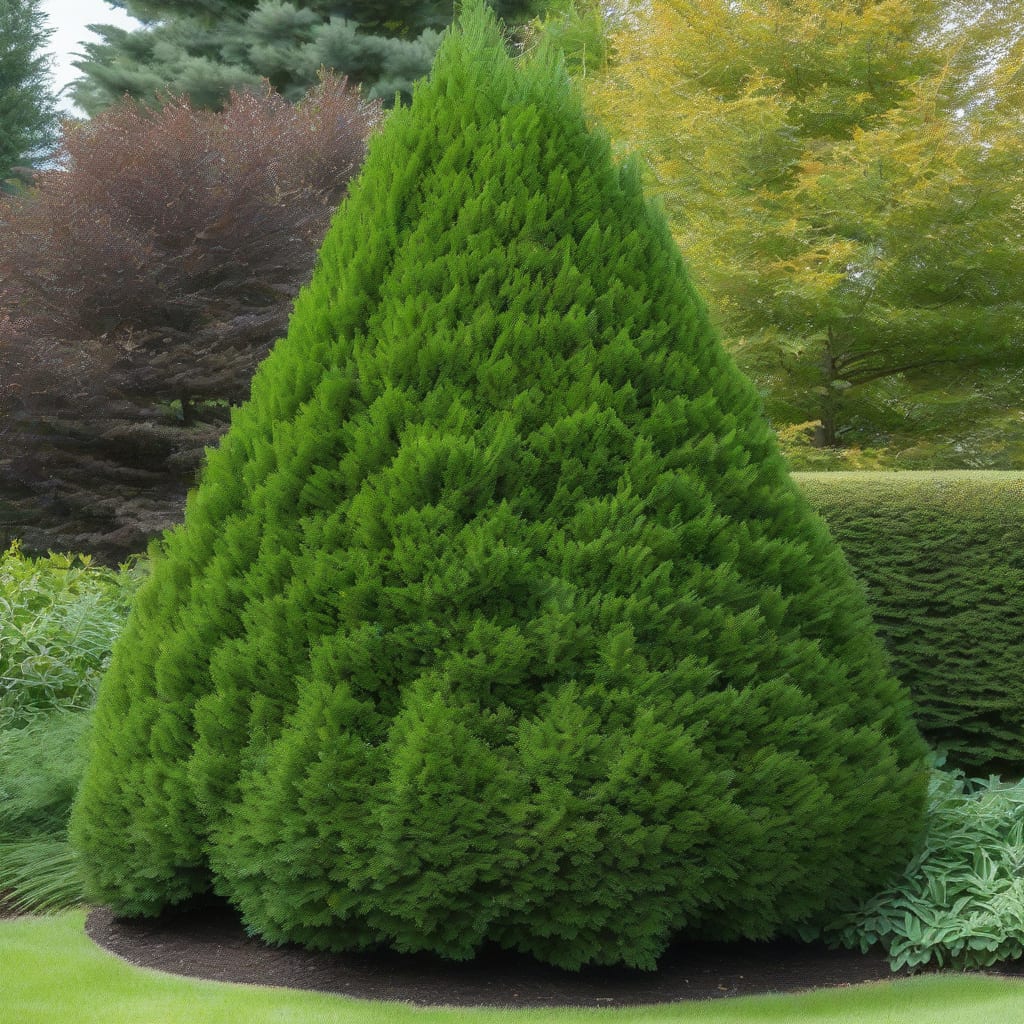
I’ve always been fascinated by the versatility of Arborvitae trees 🌳, particularly their varying heights. Whether you’re looking to create a natural privacy screen or simply want to understand their growth potential, knowing how tall they can grow is essential for effective garden planning.
Arborvitae trees can grow anywhere from 10 to 60 feet tall, depending on factors like soil quality, sunlight, and pruning practices. Let’s explore what influences their height and how you can manage their growth to achieve your landscaping goals.

1-2 ft

2-4 ft

4-6 ft

10-60 ft
Understanding the factors that influence Arborvitae tree height is crucial for gardeners and landscapers. The height of these trees can vary significantly based on several key factors 🌳.
The soil conditions play a vital role in determining the height of Arborvitae trees. Well-draining soil that is rich in organic matter can support healthier growth, potentially leading to taller trees. On the other hand, poor soil conditions can stunt growth.
The cultivar variation is another significant factor that affects the height of Arborvitae trees. Different varieties have different growth habits and maximum heights. For example, the ‘Emerald Green’ cultivar tends to be more compact, while the ‘Green Giant’ can grow much taller 🌲.
Understanding these factors can help gardeners and landscapers make informed decisions about planting and caring for Arborvitae trees. By optimizing conditions and choosing the right cultivar, you can achieve the desired height for your landscape 🌼.
Soil conditions are fundamental to the health and growth of Arborvitae trees. These trees prefer well-draining soil that is rich in organic matter. Poor soil quality can lead to stunted growth and other health issues 🌱.
Sunlight exposure is also critical. Arborvitae trees thrive in full sun to partial shade. Adequate sunlight ensures that the trees grow healthily and reach their potential height ☀️.
Watering practices play a crucial role in the growth of Arborvitae trees. Consistent moisture, especially during the first year after planting, is essential. However, these trees are relatively drought-tolerant once established 💧.
Pruning techniques are vital for maintaining the desired height and shape of Arborvitae trees. Regular pruning can help control the height and promote a denser, more attractive foliage 🌿.
By understanding and managing these factors, you can ensure that your Arborvitae trees grow to their full potential and remain healthy and vibrant for years to come 🌳.
The height of Arborvitae trees is influenced by a combination of genetic and environmental factors. By choosing the right cultivar and providing optimal growing conditions, you can maximize their growth potential 📈.
Regular maintenance, including pruning and fertilization, is also important for achieving the desired height and maintaining the overall health of the trees 🌿.
In conclusion, the height of Arborvitae trees can be influenced by a variety of factors, including soil quality, sunlight exposure, watering practices, and pruning techniques. By understanding and managing these factors, you can ensure that your Arborvitae trees grow to their full potential and remain a beautiful and functional part of your landscape 🌼.
I find that understanding the maximum heights of different Arborvitae varieties is essential for gardeners and landscapers to make informed decisions 🌳.
The height potential of Arborvitae trees varies significantly across different cultivars. Let’s examine some popular varieties and their growth patterns.
The ‘Emerald Green’ Arborvitae is a popular choice for hedges and screens due to its compact growth habit, reaching heights of 10-15 feet 🌲.
In contrast, the ‘Green Giant’ Arborvitae can grow much taller, reaching heights of 50-60 feet, making it ideal for larger landscapes 🌳.
Understanding these growth patterns helps in selecting the right variety for specific landscaping needs.
When choosing an Arborvitae variety, it’s essential to consider the mature height and growth rate to ensure it fits your landscape design.
The growth rate of Arborvitae trees also varies among cultivars. Some grow slowly, while others can grow quite rapidly, up to 3 feet per year 📈.
By understanding the maximum heights and growth rates of different Arborvitae varieties, gardeners can better plan their landscapes and maintenance strategies.
Regular pruning and care can also help manage the height and health of Arborvitae trees, ensuring they remain a beautiful part of your landscape 🌼.
I always emphasize the importance of proper pruning and care when it comes to managing the height of Arborvitae trees 🌳.
Regular pruning techniques are essential for maintaining the desired height and shape of these trees. By pruning annually, you can control their height and promote a denser, more attractive foliage 🌿.
Prune your Arborvitae trees annually to maintain their shape and promote healthy growth. Focus on removing any dead or damaged branches to prevent disease 🔥.
When it comes to pruning techniques, it’s crucial to make clean cuts just above a growth node. This encourages new growth and helps maintain the tree’s natural shape 🌲.
Growth management strategies also play a significant role in controlling the height of Arborvitae trees. Regular maintenance, including fertilization and watering, can help promote healthy growth 📈.
One common mistake to avoid is over-pruning. While pruning is necessary, excessive pruning can stress the tree and lead to health issues ❌.
By following these tips and maintaining a consistent care routine, you can effectively manage the height of your Arborvitae trees and keep them looking their best 🌼.
Proper care and maintenance are key to ensuring that your Arborvitae trees remain healthy and vibrant for years to come 🌳.
